1/ Brexit politics is built on fear. Frightened people tend to seek security in the tribe. Once that tribe might have been the Labour movement, but now in a fragmented post-industrial society it is the nation. Tribal identification is emotional, not rational.

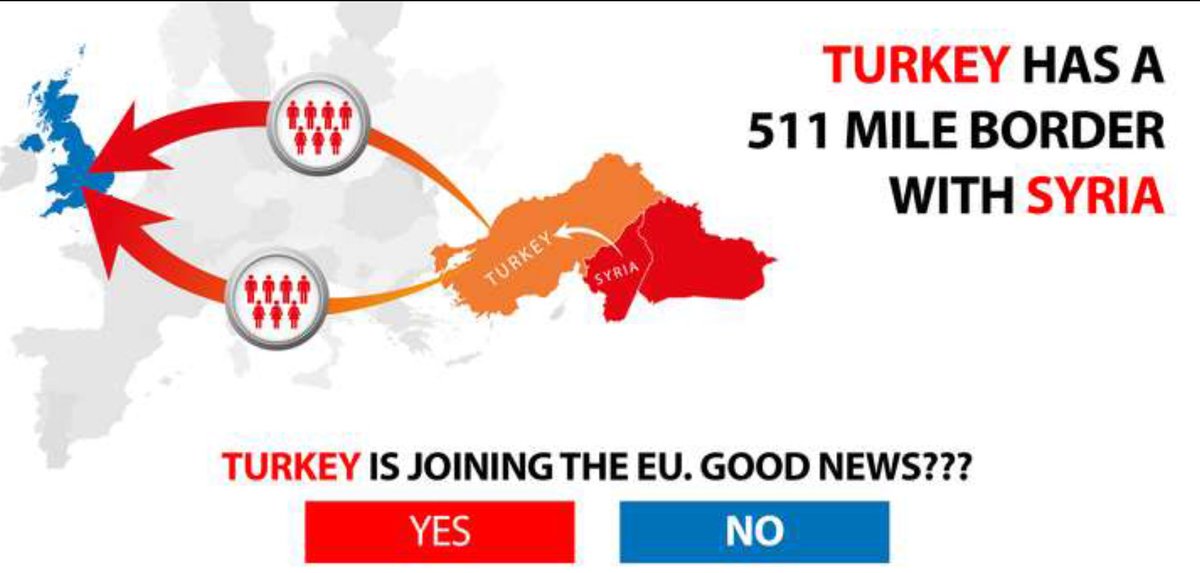
2/ A tribe that feels under threat wants to control its borders, and who enters into its territory. It demands loyalty and solidarity, and its prime virtue is self-sacrifice - economic arguments won't persuade tribalists. Its members want to feel it is strong and powerful.
3/ Tribalism at a time of crisis is intolerant of dissent. The tribe must pull together against its enemies. Dissent and questioning cause division and disrupt the collective effort. Criticism is seen as treason. The Brexit right have ruthlessly exploited tribal psychology.
4/ To understand Brexit politics it is necessary to understand that the working and middle classes are dead as coherent political forces and that frightened and insecure people are now clinging to the only available powerful tribe, the nation-tribe.
5/ The Brexit right understands and ruthlessly exploits basic social emotions. In contrast the centre and centre-left mostly can see no further than the blinkered logic of rational individualism, from which perspective everything else is irrational and incomprehensible.
6/ Tribal psychology is only irrational from the standpoint of rational individualism. It was highly adaptive for our ancestors, and without it we almost certainly wouldn't exist. Unfortunately in the modern world it's very easily exploited by ruthless political factions.
7/ Most of those who adhere to the nation-tribe do so because they want it to make them feel safe and secure. So they want to be told that the tribe is powerful and successful, hence the cynical and manipulative outpouring of rhetoric about Britain being 'world-beating'.

More from Brexit

A further thread on the EU/UK musicians/visa for paid work issue (the issue is paid work: travelling to sing or play at eg a charity event for free can be done without a visa).


The position that we now have now (no relevant provisions under the TCA) is complicated. For EU musicians visiting the UK see


In essence the UK permits foreign (including EU) nationals to stay up to 30 days to carry out paid engagements, but they must (a) prove they are a professional musician and (b) be invited by an established UK business.

Either condition could be tricky for a young musician starting out and wanting to play gigs. And 30 days isn’t long enough for a part in a show with a run.

Longer stays require a T5 visa - which generally requires you to be in a shortage occupation (play an instrument not played in the UK?) or to have an established international reputation.

You May Also Like

कुंडली में 12 भाव होते हैं। कैसे ज्योतिष द्वारा रोग के आंकलन करते समय कुंडली के विभिन्न भावों से गणना करते हैं आज इस पर चर्चा करेंगे।
कुण्डली को कालपुरुष की संज्ञा देकर इसमें शरीर के अंगों को स्थापित कर उनसे रोग, रोगेश, रोग को बढ़ाने घटाने वाले ग्रह


रोग की स्थिति में उत्प्रेरक का कार्य करने वाले ग्रह, आयुर्वेदिक/ऐलोपैथी/होमियोपैथी में से कौन कारगर होगा इसका आँकलन, रक्त विकार, रक्त और आपरेशन की स्थिति, कौन सा आंतरिक या बाहरी अंग प्रभावित होगा इत्यादि गणना करने में कुंडली का प्रयोग किया जाता है।


मेडिकल ज्योतिष में आज के समय में Dr. K. S. Charak का नाम निर्विवाद रूप से प्रथम स्थान रखता है। उनकी लिखी कई पुस्तकें आज इस क्षेत्र में नए ज्योतिषों का मार्गदर्शन कर रही हैं।
प्रथम भाव -
इस भाव से हम व्यक्ति की रोगप्रतिरोधक क्षमता, सिर, मष्तिस्क का विचार करते हैं।


द्वितीय भाव-
दाहिना नेत्र, मुख, वाणी, नाक, गर्दन व गले के ऊपरी भाग का विचार होता है।
तृतीय भाव-
अस्थि, गला,कान, हाथ, कंधे व छाती के आंतरिक अंगों का शुरुआती भाग इत्यादि।

चतुर्थ भाव- छाती व इसके आंतरिक अंग, जातक की मानसिक स्थिति/प्रकृति, स्तन आदि की गणना की जाती है


पंचम भाव-
जातक की बुद्धि व उसकी तीव्रता,पीठ, पसलियां,पेट, हृदय की स्थिति आंकलन में प्रयोग होता है।

षष्ठ भाव-
रोग भाव कहा जाता है। कुंडली मे इसके तत्कालिक भाव स्वामी, कालपुरुष कुंडली के स्वामी, दृष्टि संबंध, रोगेश की स्थिति, रोगेश के नक्षत्र औऱ रोगेश व भाव की डिग्री इत्यादि।