
🚨We’re going to court!
The EU Settled Status scheme deadline is looming. Tens of thousands of vulnerable people face being criminalised overnight.
The Home Office must #ScrapTheDeadline & ensure no one loses status. Please chip in https://t.co/0FydGTuDHx
Our case [thread]
But no wonder they wanted to keep it secret - they missed out major, well-documented risks - https://t.co/Bg4nT6F4EV
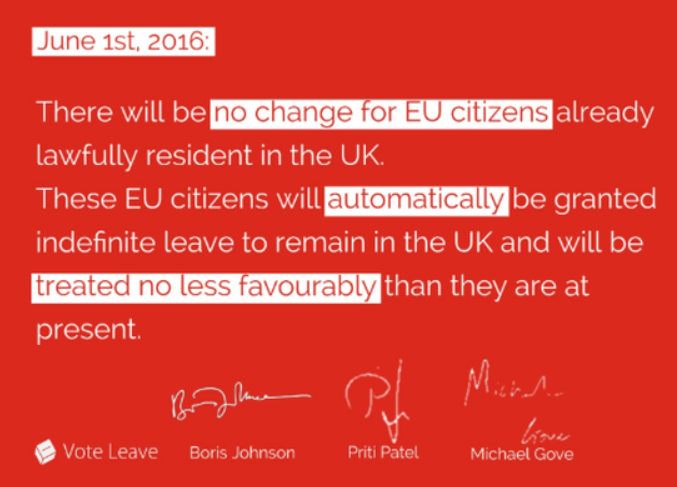
Campaigners have asked nicely but the Home Office won’t listen.
Help take this to court
https://t.co/0FydGTuDHx
More from Brexit

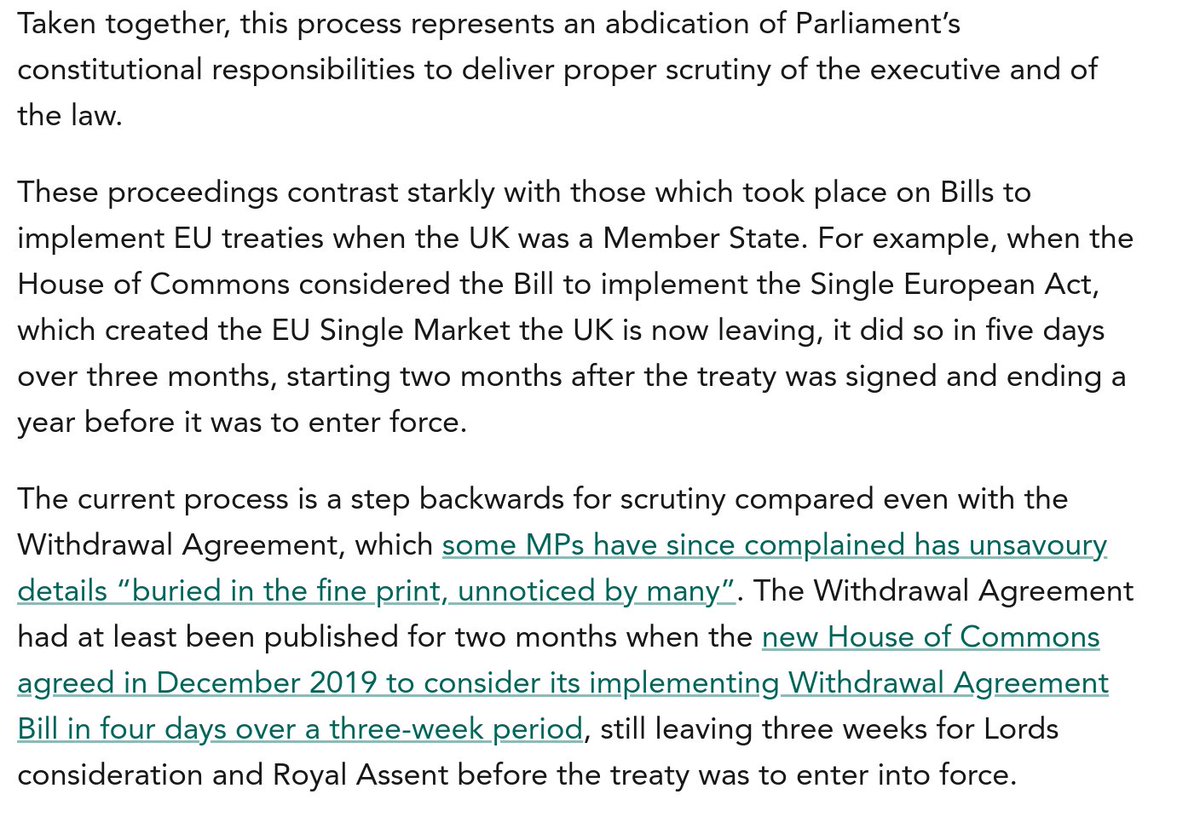

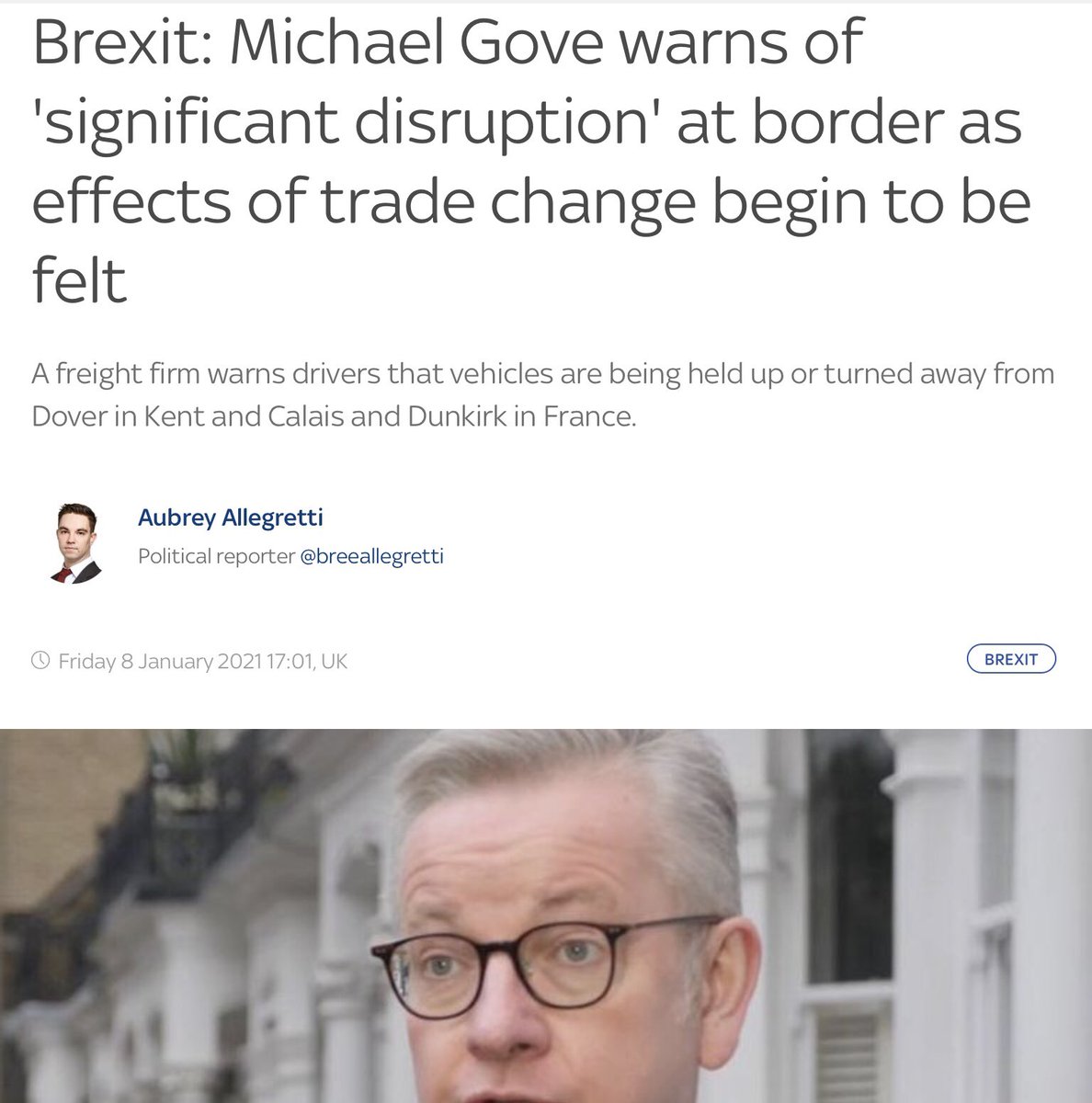
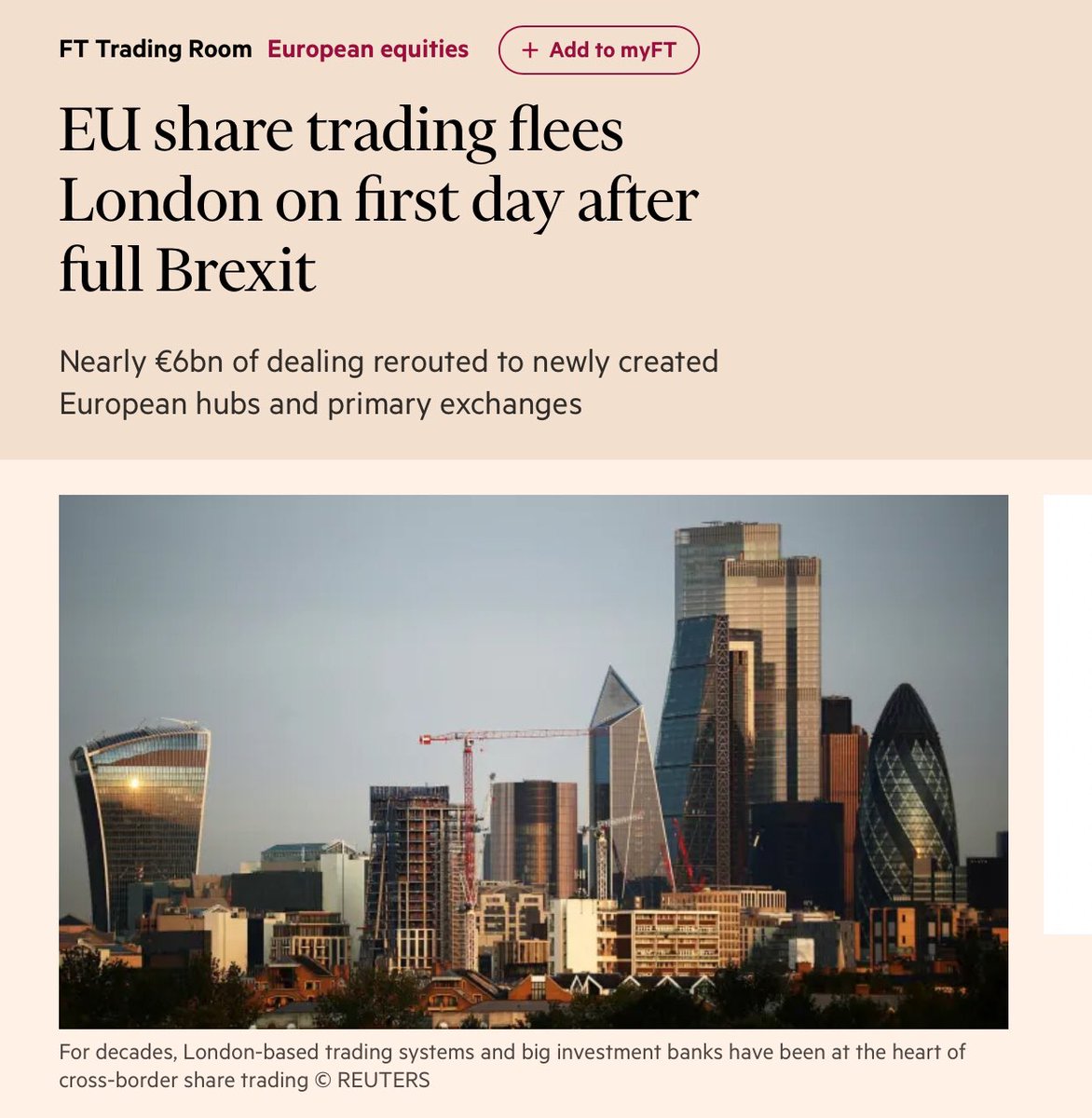
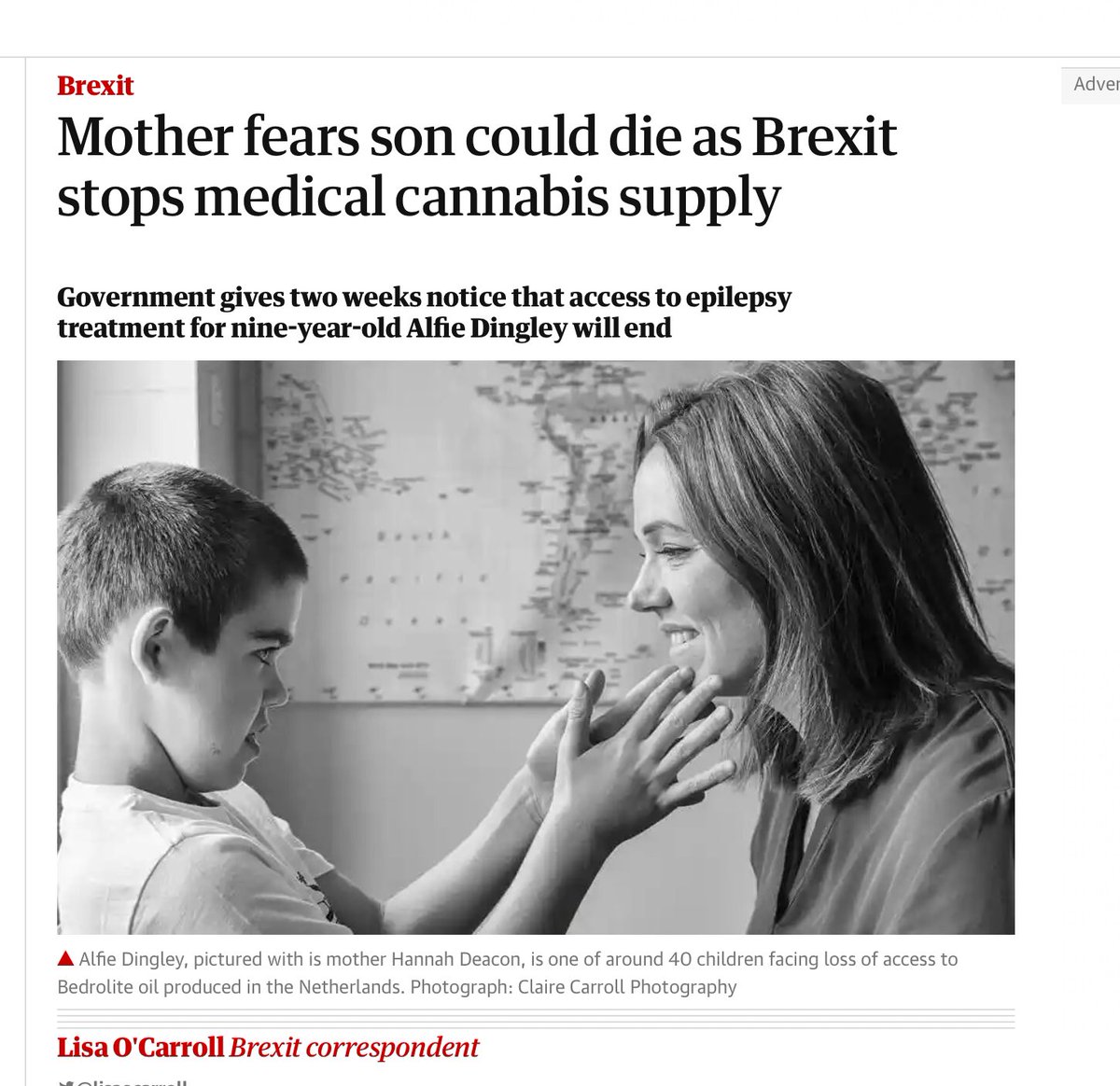
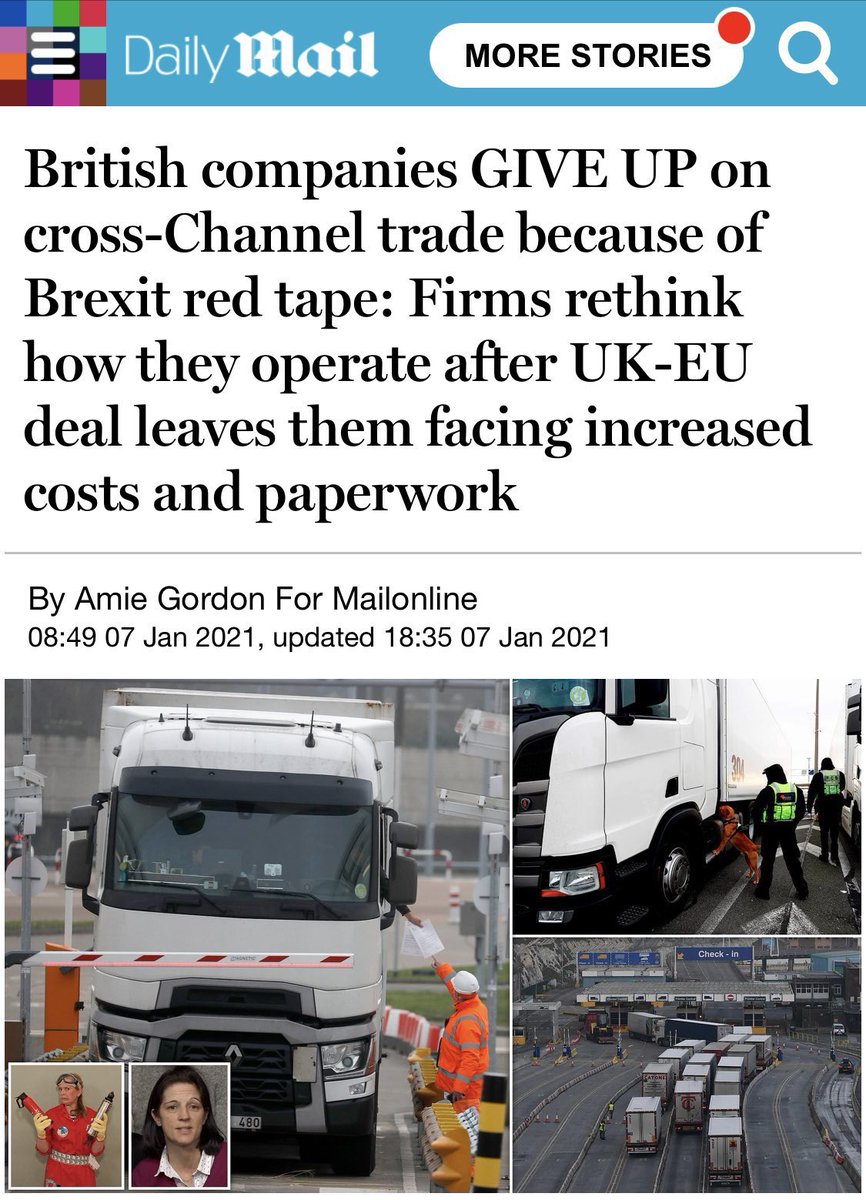


1/ A challenge in parsing Brexit news is that businesses are facing overlapping types of challenges that can be difficult to separate.
The key questions are:
1⃣ Given the model of Brexit chosen, could this have been prevented, and by whom?
2⃣ Can it get better?
2/ To put those another way:
"If you knew everything you needed to know and did everything right, is your existing business and delivery model still viable and competitive?"
The answer to that question determines if for you the problem is Brexit, or how Brexit was delivered.
3/ Some of the challenges at borders could have been prevented while still having the exact same model of Brexit (No Single Market, No Customs Union, but an FTA).
That they're appearing is an implementation failure and you can fully support Brexit but still be pissed about them.
4/ Examples include:
1) Government guidance and IT systems being ready earlier and/or easier to navigate;
2) More support for businesses, and more affordable bespoke help;
3) More time to prepare and better government communication about what preparation actually requires.
5/ This thread you've all seen from Daniel Lambert the wine merchant (primarily) deals with problems in this category.
There's no policy reason he can't export his product, but the procedures are a nightmare to navigate and he's badly under-supported.
The key questions are:
1⃣ Given the model of Brexit chosen, could this have been prevented, and by whom?
2⃣ Can it get better?
#Brexit & #fishing: True to their word, it looks like British #seafood exporters are taking their concerns around #trade to the streets of London #Brexality pic.twitter.com/CIqmDQR69d
— Bryce Stewart (@BD_Stew) January 18, 2021
2/ To put those another way:
"If you knew everything you needed to know and did everything right, is your existing business and delivery model still viable and competitive?"
The answer to that question determines if for you the problem is Brexit, or how Brexit was delivered.
3/ Some of the challenges at borders could have been prevented while still having the exact same model of Brexit (No Single Market, No Customs Union, but an FTA).
That they're appearing is an implementation failure and you can fully support Brexit but still be pissed about them.
4/ Examples include:
1) Government guidance and IT systems being ready earlier and/or easier to navigate;
2) More support for businesses, and more affordable bespoke help;
3) More time to prepare and better government communication about what preparation actually requires.
5/ This thread you've all seen from Daniel Lambert the wine merchant (primarily) deals with problems in this category.
There's no policy reason he can't export his product, but the procedures are a nightmare to navigate and he's badly under-supported.
Over the past 15 days I have not only been running my company as normal but I have been faced with largest threat to its future since it began in 1992. This is #Brexit & here is my thread on just how bad things are getting. 1/26
— Daniel Lambert (Wines). \U0001f1ea\U0001f1fa\U0001f1eb\U0001f1f7\U0001f3f4\U000e0067\U000e0062\U000e0077\U000e006c\U000e0073\U000e007f\U0001f347\U0001f942 (@DanielLambert29) January 16, 2021

You May Also Like





Facebook originally a CIA program called "LifeLog".
LifeLog, via DARPA, terminated on Feb 4th, 2004.
Facebook was launched on Feb 4th, 2004.
Many of the LifeLog team became execs at FB.
Zuckerberg is a figurehead.
CIA allowed Cambridge to help Trump win
https://t.co/enzOXDCogV

Pentagon Kills LifeLog
LifeLog, via DARPA, terminated on Feb 4th, 2004.
Facebook was launched on Feb 4th, 2004.
Many of the LifeLog team became execs at FB.
Zuckerberg is a figurehead.
CIA allowed Cambridge to help Trump win
https://t.co/enzOXDCogV
Project: Lifelog
— Robert Horan (@Robby12692) December 13, 2018
Started by DARPA in 1999, the goal of Lifelog was to create a database on civilians without their knowledge, and track everything they do.
The project "ended" on Feb 4th, 2004.
Facebook began the exact same day.
The CIA funneled tens of millions into Facebook. pic.twitter.com/r7hwF0v9kh
Pentagon Kills LifeLog
