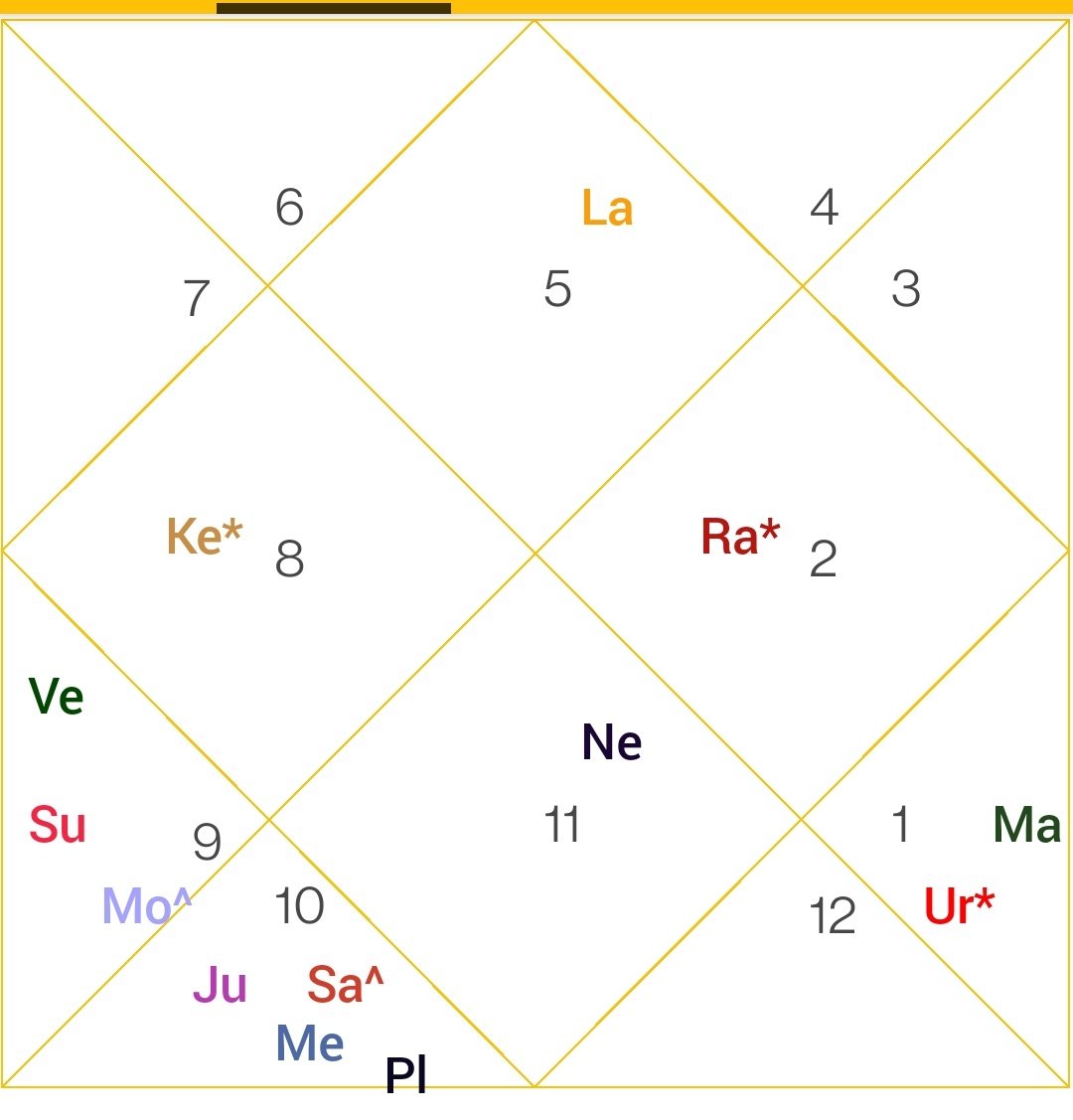
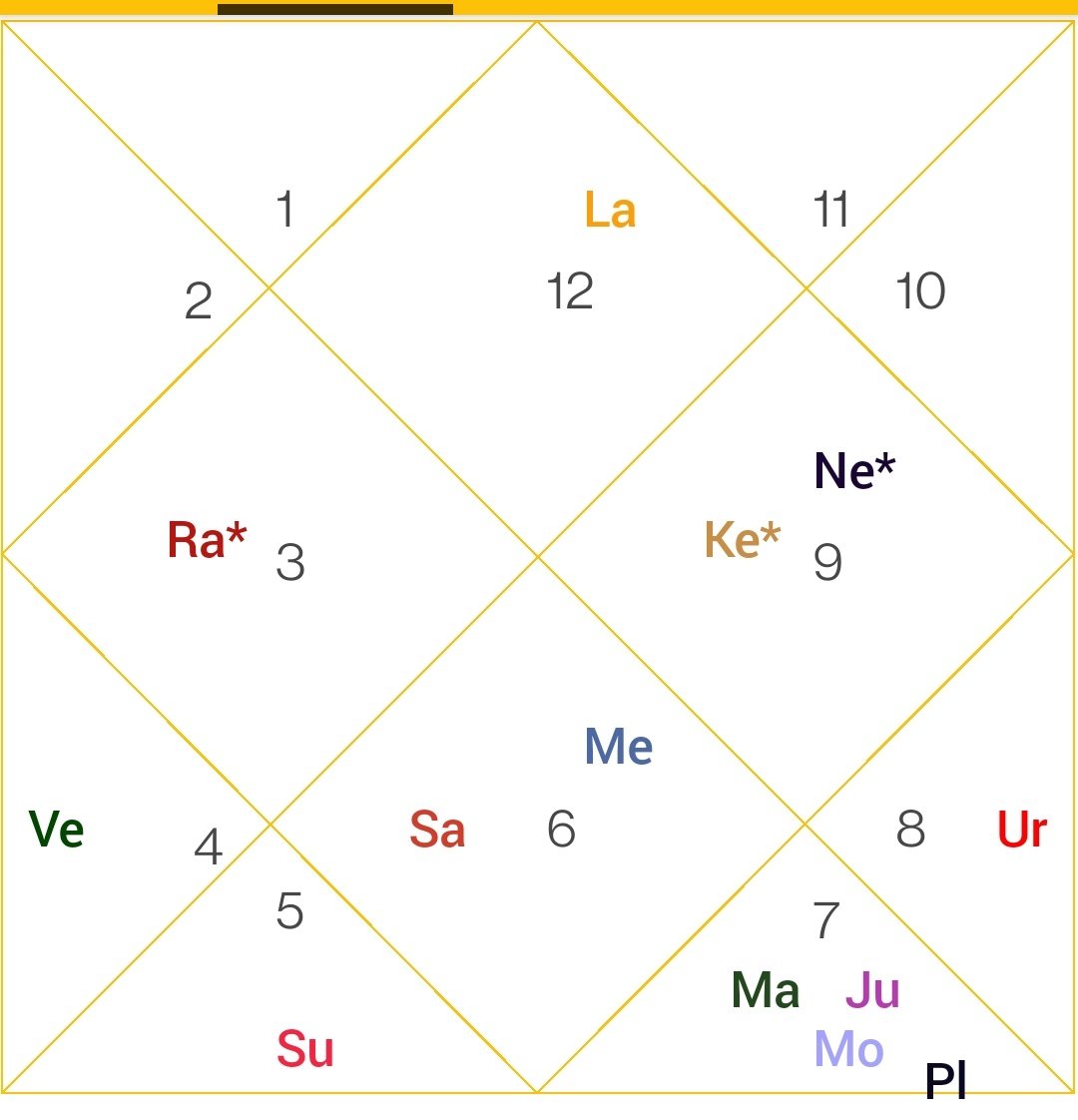
Check Ketu's Nakshtra, sign & House to get more insights on your past life and the gifts you carry forward from it.
As per Vedic Scriptures, The main purpose of the soul is to break the chain of rebirth and receive salvation (moksha).
Until the soul comes to that beautiful moment, it will continue to reincarnate.
Moksha Houses: 4th, 8th & 12th house
Moksha Significator: SouthNode Ketu
Check Ketu's Nakshtra, sign & House to get more insights on your past life and the gifts you carry forward from it.
More from Spiritual GPS Service
More from Astro

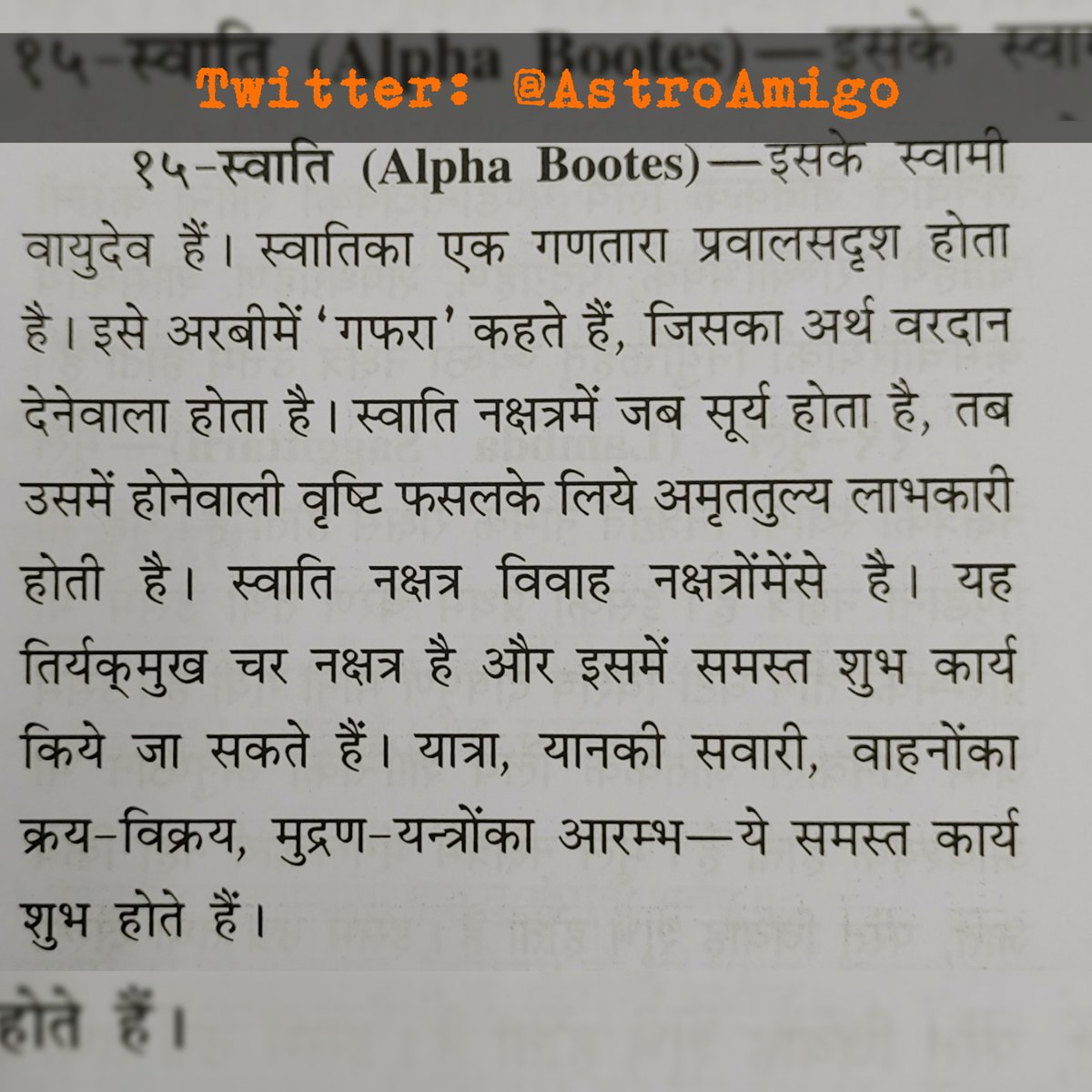
Timings for Swati Nakshatra for tomorrow: 1:34AM IST on 18 July to 12:08 AM IST on July 19.
Information and instructions in two images enclosed herewith. Rainwater falling in this duration will count.
If you are abroad, check timings from Drik Panchang app/site for your city.
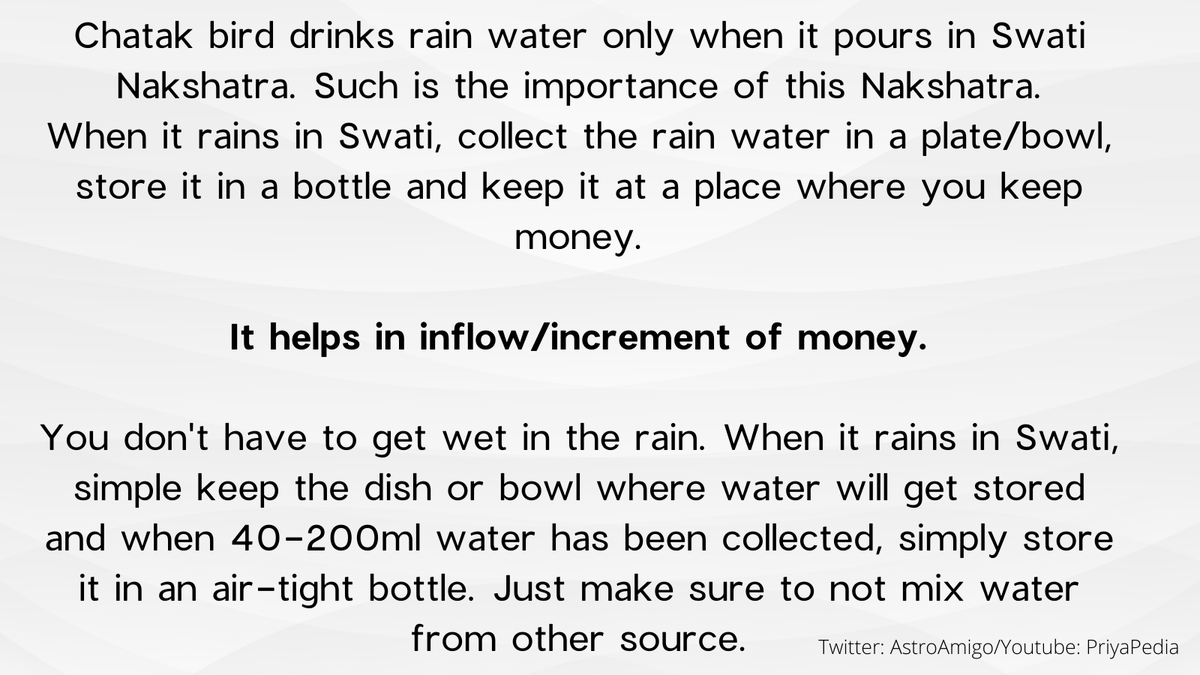
Keep in temple at home. Don't touch the container too often.
Information and instructions in two images enclosed herewith. Rainwater falling in this duration will count.
If you are abroad, check timings from Drik Panchang app/site for your city.
Keep in temple at home. Don't touch the container too often.
I don't have a place in my house where I store my money, I don't have much,but what ever I have, I keep it in the bank or P/O, use my ATM card to pay. What shall I do to multiply it? https://t.co/icM177OG8v
— JorEl (@RazdanSK) July 17, 2021