Mirchi Map of India: 5 GI-Tagged Indian Chillies Famous For Their Flavour

Continue
👇

BHUT JOLOKIA
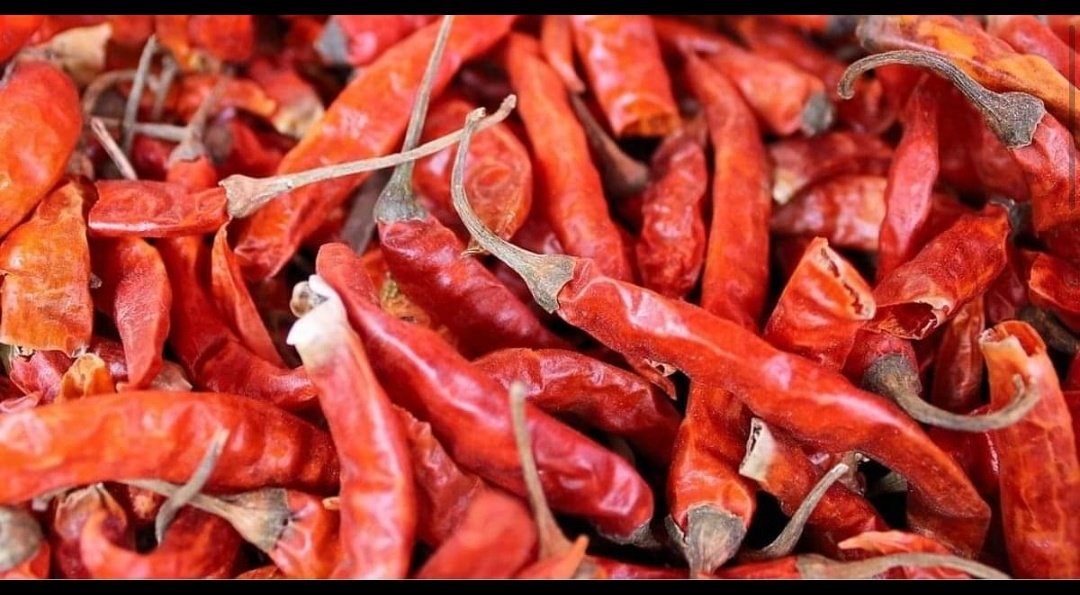
The ghost pepper, locally known as Bhut Jolokia in Assam, this chilli pepper widely cultivated and used in Northeast India, is a definite winner in the heat department. Named as the world’s hottest chilli pepper by the Guinness World Records in 2007.

Continue
👇
KHOLA CHILLI
Ths is probably where it all started wth the Portuguese coming 2 the shores of Goa wth a promise of flavourful culinary integration.Grown in the hilly slopes of Canacona,Goa, ths chilli z a bright red variety known for its taste and ability 2 lend colour to the food.
GUNTUR CHILLI
Andhra cuisine’s pride and joy, Guntur chilli is yet another variety known for its spice and flavour. Although it is predominantly cultivated in Guntur, varieties of this chilli have also found prominence in Madhya Pradesh.
BYADAGI CHILLI
Yet another South Indian cuisine gem, Byadagi chilli grown in Karnataka is a must-try if you are one to prefer colour over spice when it comes to chillies. Named after the town of Bydagi, in the Haveri district of Karnataka, it is an integral part of Udupi cuisine.
Bird’s Eye Chilli
Yet another South Indian cuisine gem, Byadagi chilli grown in Karnataka is a must-try if you are one to prefer colour over spice when it comes 2 chillies. Named after the town of Bydagi, in the Haveri district of Karnataka,it z an integral part of Udupi cuisine.

More from All

You May Also Like

#தினம்_ஒரு_திருவாசகம்
தொல்லை இரும்பிறவிச் சூழும் தளை நீக்கி
அல்லல் அறுத்து ஆனந்தம் ஆக்கியதே – எல்லை
மருவா நெறியளிக்கும் வாதவூர் எங்கோன்
திருவாசகம் என்னும் தேன்

பொருள்:
1.எப்போது ஆரம்பித்தது என அறியப்படமுடியாத தொலை காலமாக (தொல்லை)

2. இருந்து வரும் (இரும்)


3.பிறவிப் பயணத்திலே ஆழ்த்துகின்ற (பிறவி சூழும்)

4.அறியாமையாகிய இடரை (தளை)

5.அகற்றி (நீக்கி),

6.அதன் விளைவால் சுகதுக்கமெனும் துயரங்கள் விலக (அல்லல் அறுத்து),

7.முழுநிறைவாய்த் தன்னுளே இறைவனை உணர்த்துவதே (ஆனந்த மாக்கியதே),

8.பிறந்து இறக்கும் காலவெளிகளில் (எல்லை)

9.பிணைக்காமல் (மருவா)

10.காக்கும் மெய்யறிவினைத் தருகின்ற (நெறியளிக்கும்),

11.என் தலைவனான மாணிக்க வாசகரின் (வாதவூரெங்கோன்)

12.திருவாசகம் எனும் தேன் (திருவா சகமென்னுந் தேன்)

முதல்வரி: பிறவி என்பது முன்வினை விதையால் முளைப்பதோர் பெருமரம். அந்த ‘முன்வினை’ எங்கு ஆரம்பித்தது எனச் சொல்ல இயலாது. ஆனால் ‘அறியாமை’ ஒன்றே ஆசைக்கும்,, அச்சத்துக்கும் காரணம் என்பதால், அவையே வினைகளை விளைவிப்பன என்பதால், தொடர்ந்து வரும் பிறவிகளுக்கு, ‘அறியாமையே’ காரணம்

அறியாமைக்கு ஆரம்பம் கிடையாது. நமக்கு ஒரு பொருளைப் பற்றிய அறிவு எப்போதிருந்து இல்லை? அதைச் சொல்ல முடியாது. அதனாலேதான் முதலடியில், ஆரம்பமில்லாத அஞ்ஞானத்தை பிறவிகளுக்குக் காரணமாகச் சொல்லியது. ஆனால் அறியாமை, அறிவின் எழுச்சியால், அப்போதே முடிந்து விடும்.
MDZS is laden with buddhist references. As a South Asian person, and history buff, it is so interesting to see how Buddhism, which originated from India, migrated, flourished & changed in the context of China. Here's some research (🙏🏼 @starkjeon for CN insight + citations)

1. LWJ’s sword Bichen ‘is likely an abbreviation for the term 躲避红尘 (duǒ bì hóng chén), which can be translated as such: 躲避: shunning or hiding away from 红尘 (worldly affairs; which is a buddhist teaching.) (
https://t.co/zF65W3roJe) (abbrev. TWX)

2. Sandu (三 毒), Jiang Cheng’s sword, refers to the three poisons (triviṣa) in Buddhism; desire (kāma-taṇhā), delusion (bhava-taṇhā) and hatred (vibhava-taṇhā).

These 3 poisons represent the roots of craving (tanha) and are the cause of Dukkha (suffering, pain) and thus result in rebirth.

Interesting that MXTX used this name for one of the characters who suffers, arguably, the worst of these three emotions.

3. The Qian kun purse “乾坤袋 (qián kūn dài) – can be called “Heaven and Earth” Pouch. In Buddhism, Maitreya (मैत्रेय) owns this to store items. It was believed that there was a mythical space inside the bag that could absorb the world.” (TWX)