
2/7
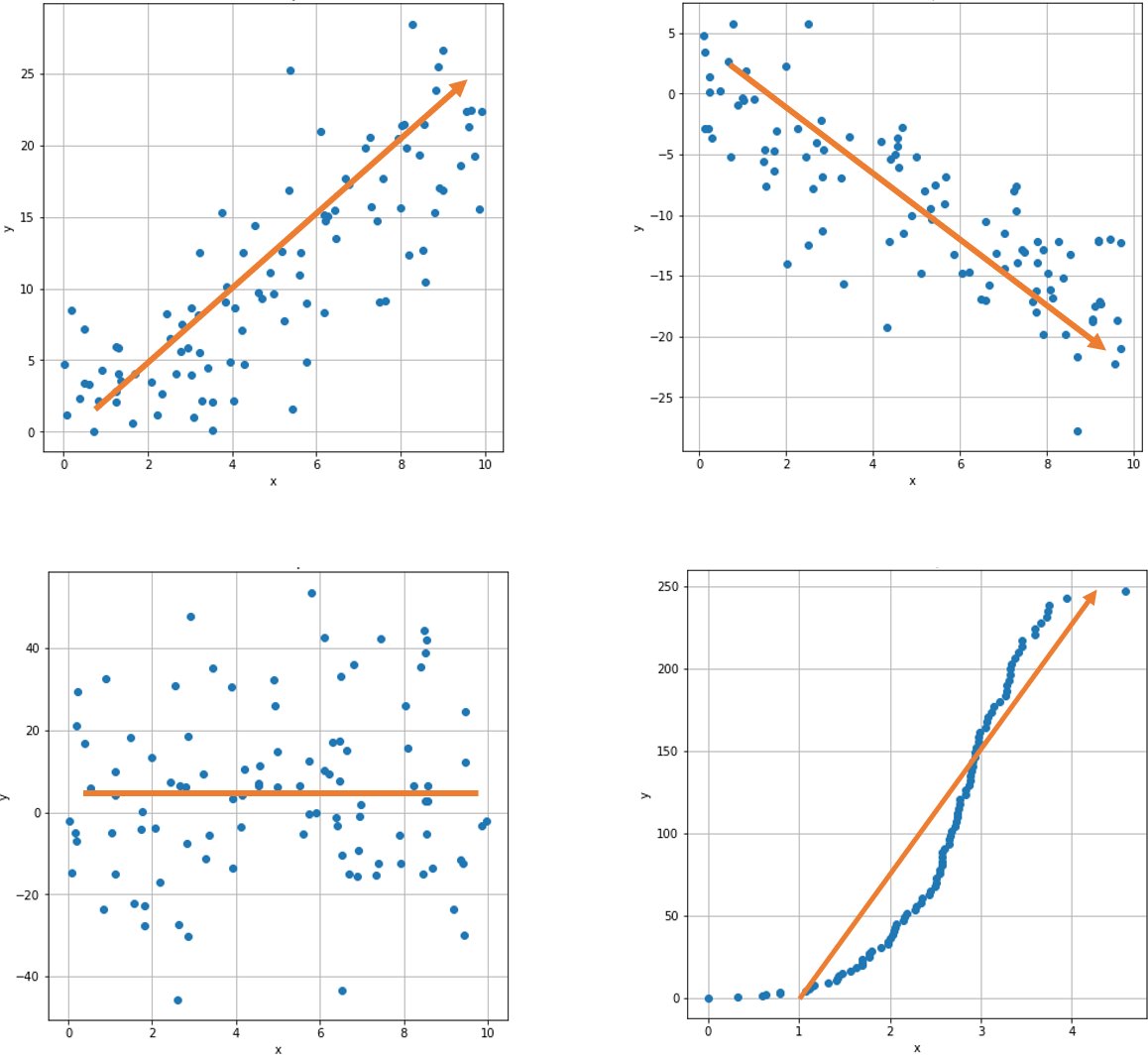
Correlation is the degree and direction in which two variables are related or associated. Therefore, correlation coefficients are used to measure the strength of the relationship between two variables.
Let me tell you about them and their usefulness in #DataAnalytics 🧵
1/7
2/7
▪️ Pearson
▪️ Spearman
and what is the difference between them?
3/7
It is a very useful coefficient , but it is also very sensitive to outliers.
4/7
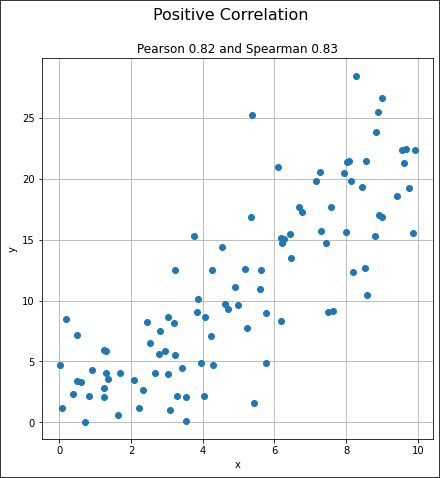
Spearman correlation is less sensitive than the Pearson correlation to outliers.
5/7
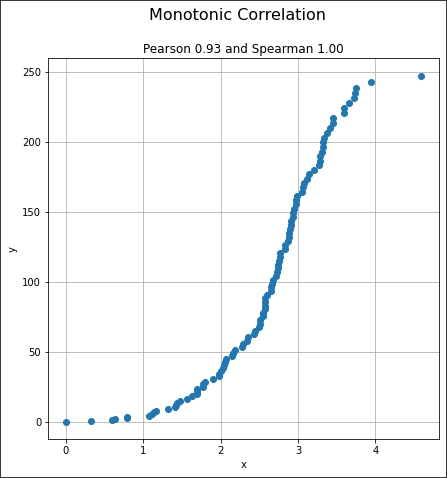
In many sciences (economics, physics, psychology, etc.) it is of utmost importance, as it allows us to calculate how much and in what way two phenomena are related to each other.
Keep in mind that correlation does not mean causation.
6/7
Any additional comments or questions are welcome.
https://t.co/IQKPG3iMJH
7/7
More from Andres Segura-Tinoco


Text Normalization (TN) are techniques in the field of #NLP that are used to prepare text, sentences, and words for further processing or analysis.
Two of the most common TN techniques are Stemming and Lemmatization. In the next thread🧵 I will briefly tell you about them.
1/5
The aim of both methods (Stemming and Lemmatization) is the same: to reduce the inflectional forms of each word/term into a common base or root.
So what is the difference between them?
2/5
Stemming: process in which terms are transformed to their root in order to reduce the size of the vocabulary. It is carried by applying word reduction rules.
Two of the most common stemming algorithms are:
▪️Porter
▪️Snowball
3/5
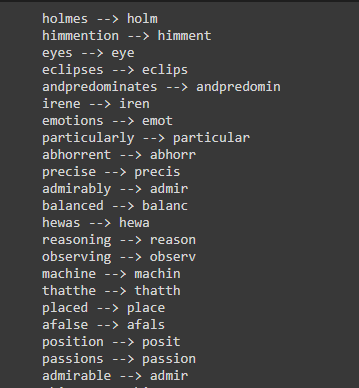
Lemmatization: it performs a morphological analysis using reference dictionaries to create equivalence classes between words.
For example, for the token “eclipses”, a stemming rule would return the term “eclips“, while through lemmatization we would get the term “eclipse“.
4/5
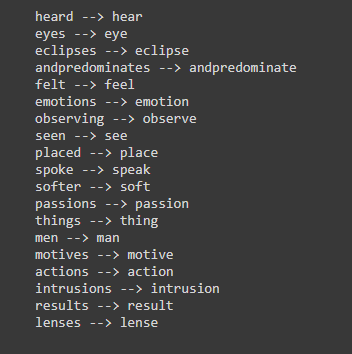
Finally, let me share a quick example on the use of these two NLP techniques (with spaCy and Python):
https://t.co/Qm0Fa4cGaV
5/5
Two of the most common TN techniques are Stemming and Lemmatization. In the next thread🧵 I will briefly tell you about them.
1/5
The aim of both methods (Stemming and Lemmatization) is the same: to reduce the inflectional forms of each word/term into a common base or root.
So what is the difference between them?
2/5
Stemming: process in which terms are transformed to their root in order to reduce the size of the vocabulary. It is carried by applying word reduction rules.
Two of the most common stemming algorithms are:
▪️Porter
▪️Snowball
3/5
Lemmatization: it performs a morphological analysis using reference dictionaries to create equivalence classes between words.
For example, for the token “eclipses”, a stemming rule would return the term “eclips“, while through lemmatization we would get the term “eclipse“.
4/5
Finally, let me share a quick example on the use of these two NLP techniques (with spaCy and Python):
https://t.co/Qm0Fa4cGaV
5/5
More from All








You May Also Like

This is a pretty valiant attempt to defend the "Feminist Glaciology" article, which says conventional wisdom is wrong, and this is a solid piece of scholarship. I'll beg to differ, because I think Jeffery, here, is confusing scholarship with "saying things that seem right".
The article is, at heart, deeply weird, even essentialist. Here, for example, is the claim that proposing climate engineering is a "man" thing. Also a "man" thing: attempting to get distance from a topic, approaching it in a disinterested fashion.

Also a "man" thing—physical courage. (I guess, not quite: physical courage "co-constitutes" masculinist glaciology along with nationalism and colonialism.)

There's criticism of a New York Times article that talks about glaciology adventures, which makes a similar point.

At the heart of this chunk is the claim that glaciology excludes women because of a narrative of scientific objectivity and physical adventure. This is a strong claim! It's not enough to say, hey, sure, sounds good. Is it true?
Imagine for a moment the most obscurantist, jargon-filled, po-mo article the politically correct academy might produce. Pure SJW nonsense. Got it? Chances are you're imagining something like the infamous "Feminist Glaciology" article from a few years back.https://t.co/NRaWNREBvR pic.twitter.com/qtSFBYY80S
— Jeffrey Sachs (@JeffreyASachs) October 13, 2018
The article is, at heart, deeply weird, even essentialist. Here, for example, is the claim that proposing climate engineering is a "man" thing. Also a "man" thing: attempting to get distance from a topic, approaching it in a disinterested fashion.
Also a "man" thing—physical courage. (I guess, not quite: physical courage "co-constitutes" masculinist glaciology along with nationalism and colonialism.)
There's criticism of a New York Times article that talks about glaciology adventures, which makes a similar point.
At the heart of this chunk is the claim that glaciology excludes women because of a narrative of scientific objectivity and physical adventure. This is a strong claim! It's not enough to say, hey, sure, sounds good. Is it true?


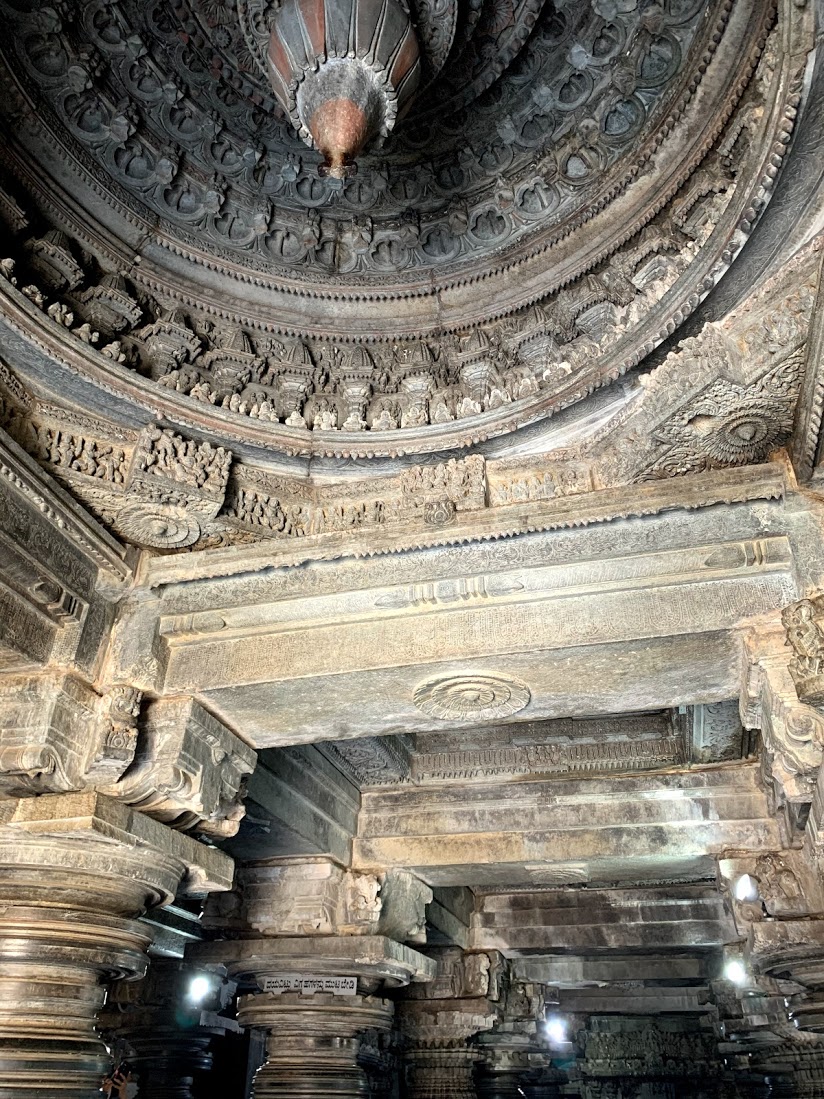

#sculpture #story -
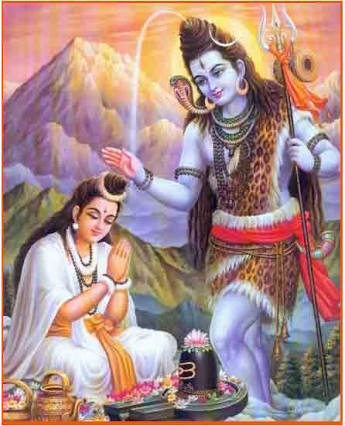
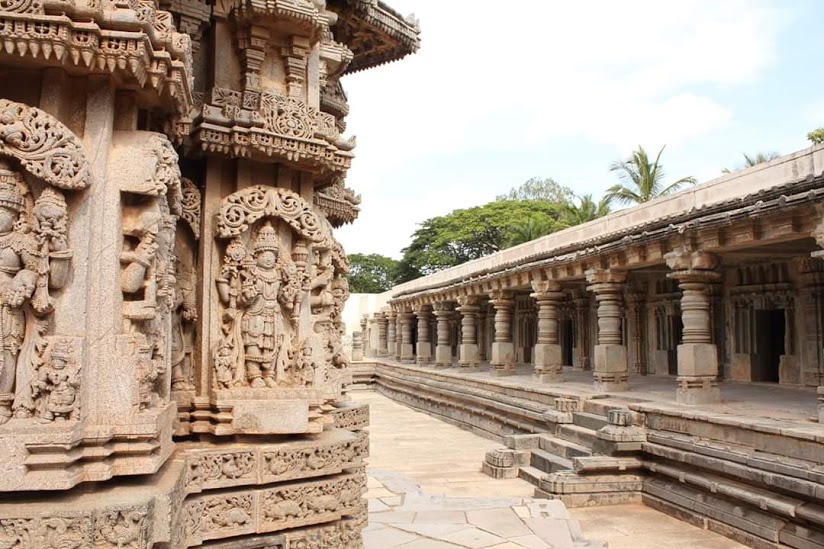
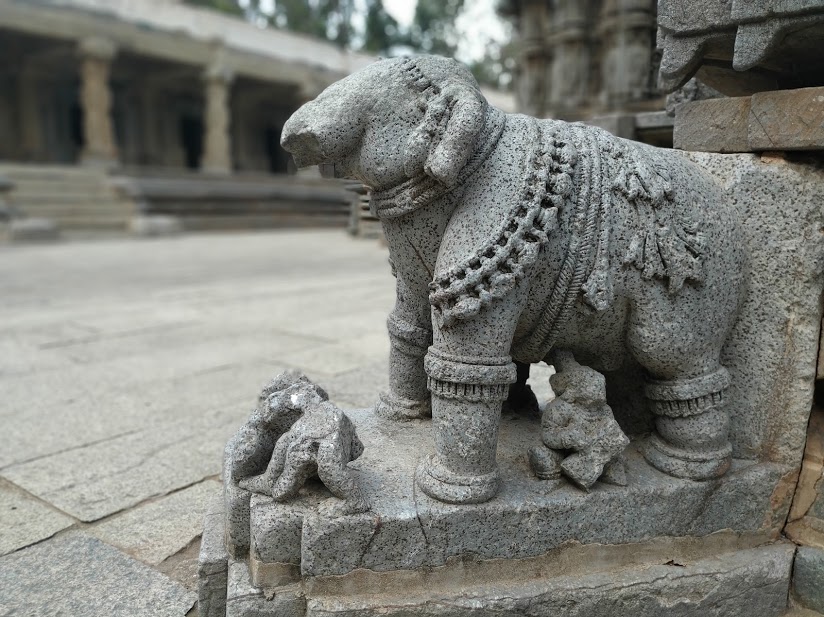
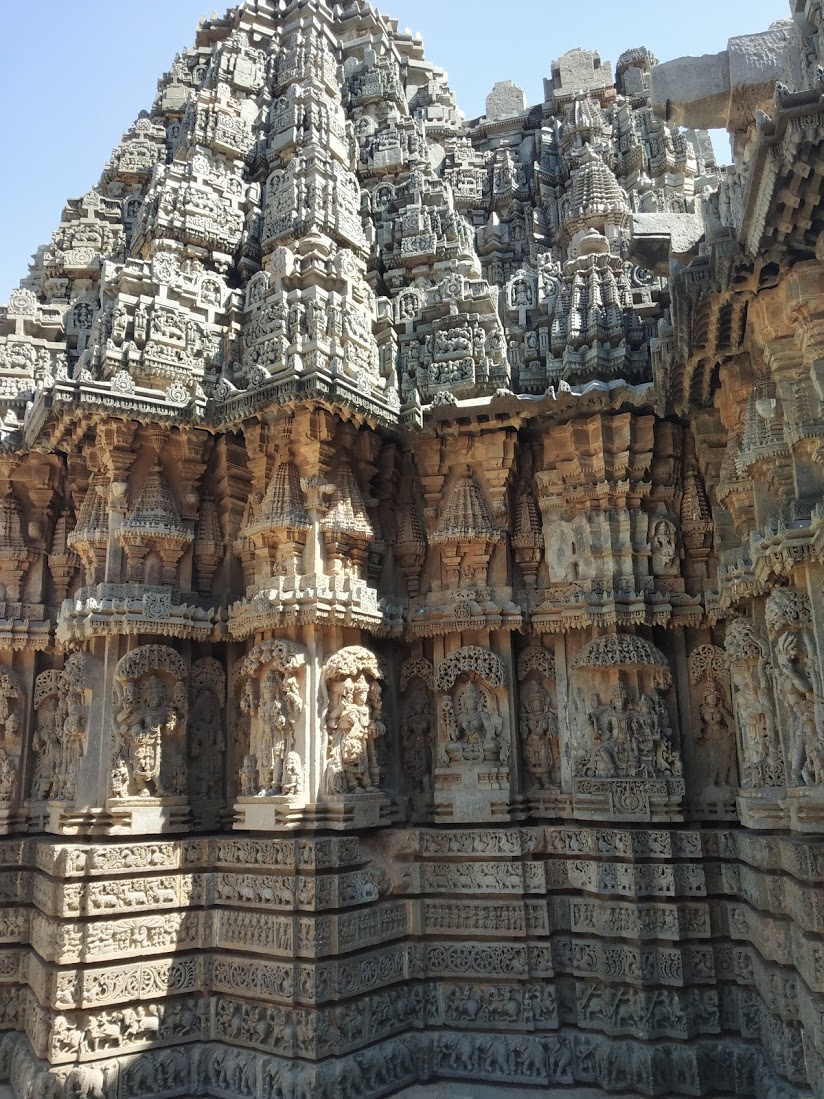
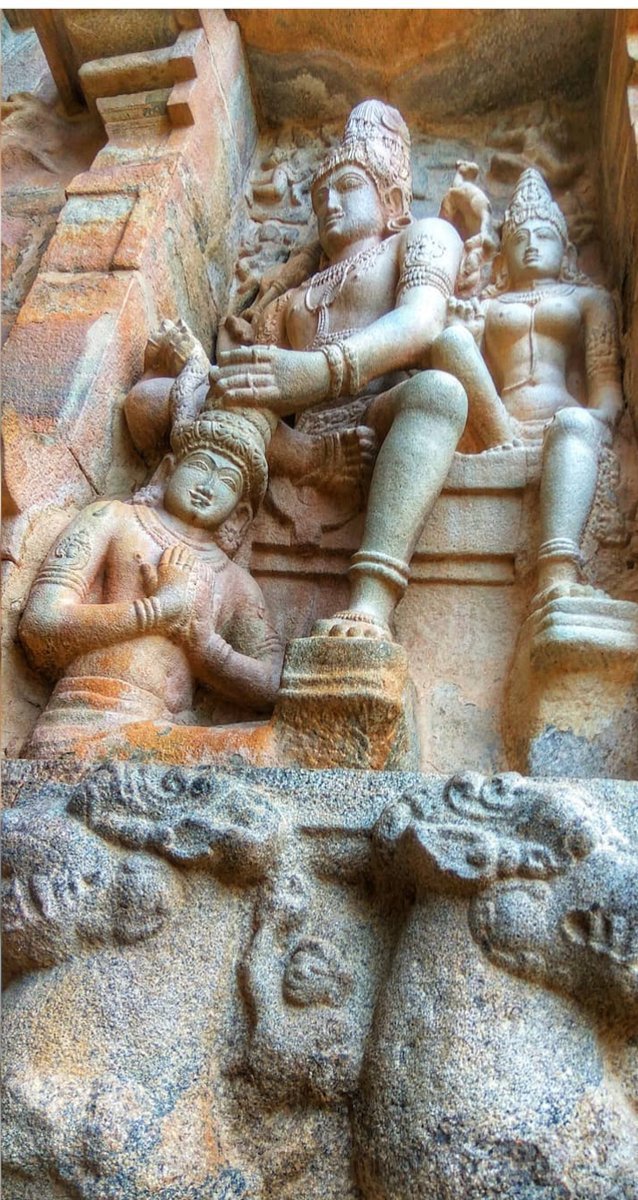
Chandesha-Anugraha Murti - One of the Sculpture in Brihadeshwara Temple at Gangaikonda Cholapuram - built by Raja Rajendra Chola I
This Sculpture depicts Bhagwan Shiva along with Devi Paravathi blessing Chandeshwara - one of the 63 Nayanmars.
#Thread
Chandeshwara/Chandikeshwara is regarded as custodian of Shiva Temple's wealth&most of Shiva temples in South India has separate sannathi for him.
His bhakti for Bhagwan Shiva elevated him as one of foremost among Nayanmars.
He gave importance to Shiva Pooja&protection of cows.

There are series of paintings, illustrating the #story of Chandikeshwar in the premises of
Sri Sathiyagireeswarar #Temple at Seinganur,near Kumbakonam,TN
Chandikeshwara's birth name
is Vichara sarman.He was born in the village of Senganur on the banks of River Manni.

His Parent names were Yajnathatan and Pavithrai.
Vichara Sarman was a gifted child and he learnt Vedas and Agamas at a very young age.
He was very devout and would always think about Bhagwan Shiva.
One day he saw a cowherd man brutally assaulting a cow,Vichara Sarman could not tolerate this. He spoke to cowherd: ‘Do you not know that the cow is worshipful & divine? All gods & Devas reside in https://t.co/ElLcI5ppsK it is our duty to protect cows &we should not to harm them.

Chandesha-Anugraha Murti - One of the Sculpture in Brihadeshwara Temple at Gangaikonda Cholapuram - built by Raja Rajendra Chola I
This Sculpture depicts Bhagwan Shiva along with Devi Paravathi blessing Chandeshwara - one of the 63 Nayanmars.
#Thread
Chandeshwara/Chandikeshwara is regarded as custodian of Shiva Temple's wealth&most of Shiva temples in South India has separate sannathi for him.
His bhakti for Bhagwan Shiva elevated him as one of foremost among Nayanmars.
He gave importance to Shiva Pooja&protection of cows.
There are series of paintings, illustrating the #story of Chandikeshwar in the premises of
Sri Sathiyagireeswarar #Temple at Seinganur,near Kumbakonam,TN
Chandikeshwara's birth name
is Vichara sarman.He was born in the village of Senganur on the banks of River Manni.
His Parent names were Yajnathatan and Pavithrai.
Vichara Sarman was a gifted child and he learnt Vedas and Agamas at a very young age.
He was very devout and would always think about Bhagwan Shiva.
One day he saw a cowherd man brutally assaulting a cow,Vichara Sarman could not tolerate this. He spoke to cowherd: ‘Do you not know that the cow is worshipful & divine? All gods & Devas reside in https://t.co/ElLcI5ppsK it is our duty to protect cows &we should not to harm them.



Krugman is, of course, right about this. BUT, note that universities can do a lot to revitalize declining and rural regions.
See this thing that @lymanstoneky wrote:
And see this thing that I wrote:
And see this book that @JamesFallows wrote:
And see this other thing that I wrote:
One thing I've been noticing about responses to today's column is that many people still don't get how strong the forces behind regional divergence are, and how hard to reverse 1/ https://t.co/Ft2aH1NcQt
— Paul Krugman (@paulkrugman) November 20, 2018
See this thing that @lymanstoneky wrote:
And see this thing that I wrote:
And see this book that @JamesFallows wrote:
And see this other thing that I wrote: