I want to talk about the editorial support you should expect from an agent who says they work editorially, &what you should not expect, too. (As always these are my opinions; others will think differently; you can take any opinion you encounter or burn it in a trash can.) #Thread
Line edits/sidebar comments by your agent. I always stress these are suggestions to achieve a goal. How author arrives at that goal is up to to them, but
I DO put foot down abt blatant "rookie mistakes." Or major arc problems,sensitivity issues. I don't do this to be obstinate;but you should stay flexible too.
We may do 1 round edits. 3 rev & 4 edits. 1 rev & 2 edits.
And if I like your book but do NOT have any vision for fixing problems I find, I am doing you a favor by NOT offering rep, so you can seek an agent who sees how to make it shine and soar against all it's competition.
I am not the person you send your 1st/2nd draft to. My editing rounds are all fine tuning, tweaking, polishing, or taking advantage of opportunity to amp up stakes tension emotion etc. I am not going to teach you how to write.
More from Writing

SHORT THREAD!
Simple Writing Trick to Avoid Plagiarism when using Templates
This may be useful for anyone but the examples here are more relevant to scholarship applicants
In other words, how to avoid the copy & paste syndrome.
Kindly RT to help others.
The past week brought some concerns about plagiarism in scholarship documents. For example:
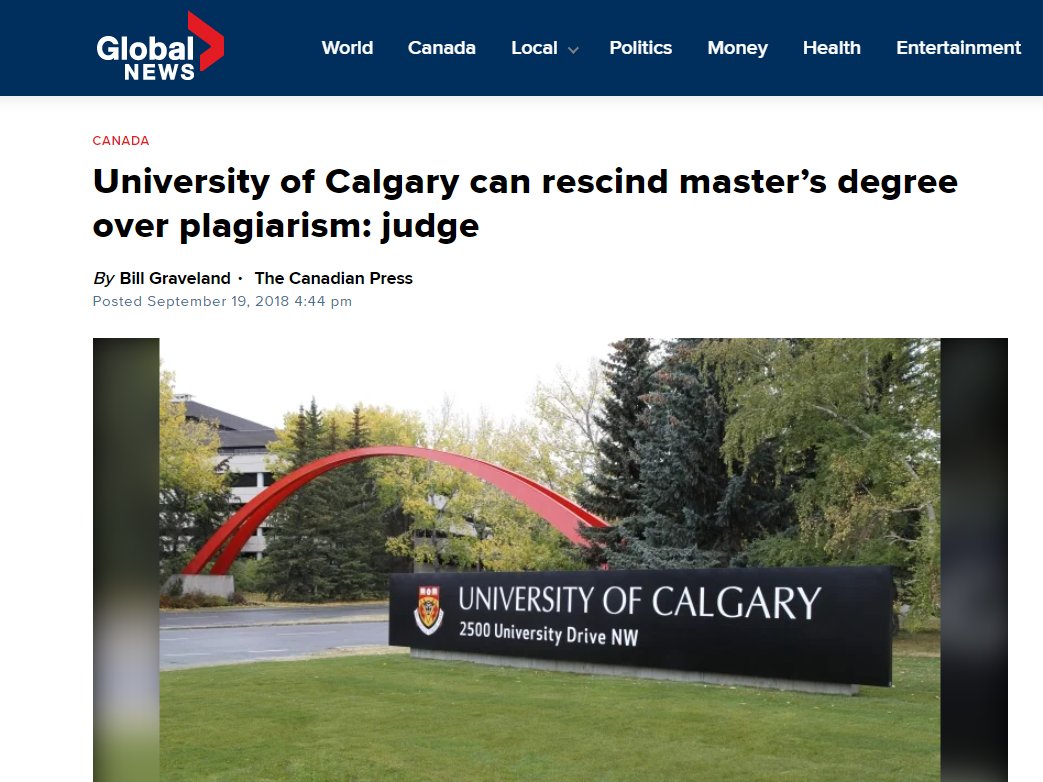
Plagiarism is unacceptable at any level in academia and may lead to several undesirable outcomes, including revocation of admission offers or conferred degrees. So here is how you can prevent or rid yourself of the copy&paste syndrome
1. Don't use any template at all.
Just follow the darn instructions, or use helpful tips scattered all over the internet. Worry less about perfection.
I understand this may be hard for less experienced scholars. So if you must use a template, continue with the thread.
2. If possible, find more than one template.
This helps you identify the flow of ideas and the commonalities in the template. You can then develop your own unique document from this knowledge.
If you are still confused and must use a template, continue with the thread
Simple Writing Trick to Avoid Plagiarism when using Templates
This may be useful for anyone but the examples here are more relevant to scholarship applicants
In other words, how to avoid the copy & paste syndrome.
Kindly RT to help others.
The past week brought some concerns about plagiarism in scholarship documents. For example:
I got a call from the recruitment office at a Canadian university today and the issue was most of the Nigerians who applied there have almost the same Statement of Purpose letters. Please show originality in your applications, use your own words......1/3
— Tosin AJ (@ajibz_tosin) January 20, 2021
Plagiarism is unacceptable at any level in academia and may lead to several undesirable outcomes, including revocation of admission offers or conferred degrees. So here is how you can prevent or rid yourself of the copy&paste syndrome
1. Don't use any template at all.
Just follow the darn instructions, or use helpful tips scattered all over the internet. Worry less about perfection.
I understand this may be hard for less experienced scholars. So if you must use a template, continue with the thread.
2. If possible, find more than one template.
This helps you identify the flow of ideas and the commonalities in the template. You can then develop your own unique document from this knowledge.
If you are still confused and must use a template, continue with the thread

I can second this observation through personal experience. I was only able to start writing because "it's just dumb weeb fanfiction quests, who cares." 100,000 pages of dumb weeb fanfic later, and I actually got better... but only because I was trying my best with every page.
"It's dumb weeb fanfiction" gave me permission to be bad, to vomit things onto the page that I knew fell far short of what I wanted it to be. To just write and write instead of laboring over six paragraphs for weeks like I'd always done before.
But I still *wanted* to be good.
Writing is HARD. And unfortunately, most people don't appreciate just how hard writing (or communication in general) is, and that cultural attitude infects writers, too.
You must give yourself permission to be bad. And realize that all writing is practice.
IT. COUNTS.
And as the folks in my mentions are pointing
... it's an excellent way to find out what actually resonates with other people - putting work out there. Even your early bad stuff you'll cringe at later.
What resonates is NOT easy to tell, because we all, inherently cringe at ourselves, a lot.
I think the mistake a lot of people make is that they write to make a good work instead of writing to make themselves a better writer (who will eventually be able to make good works). The second promotes training and builds humility while the first is just narcissism.
— Dan Kim (@CloneManga) October 31, 2020
"It's dumb weeb fanfiction" gave me permission to be bad, to vomit things onto the page that I knew fell far short of what I wanted it to be. To just write and write instead of laboring over six paragraphs for weeks like I'd always done before.
But I still *wanted* to be good.
Writing is HARD. And unfortunately, most people don't appreciate just how hard writing (or communication in general) is, and that cultural attitude infects writers, too.
You must give yourself permission to be bad. And realize that all writing is practice.
IT. COUNTS.
And as the folks in my mentions are pointing
It gave us hellcow, so it clearly worked
— Argatson (@warhammer651) October 31, 2020
... it's an excellent way to find out what actually resonates with other people - putting work out there. Even your early bad stuff you'll cringe at later.
What resonates is NOT easy to tell, because we all, inherently cringe at ourselves, a lot.
\u201cDumb weeb X\u201d is a concept with a lot of power.
— J (@Becquerl1) October 31, 2020


You May Also Like

I'm going to do two history threads on Ethiopia, one on its ancient history, one on its modern story (1800 to today). 🇪🇹
I'll begin with the ancient history ... and it goes way back. Because modern humans - and before that, the ancestors of humans - almost certainly originated in Ethiopia. 🇪🇹 (sub-thread):
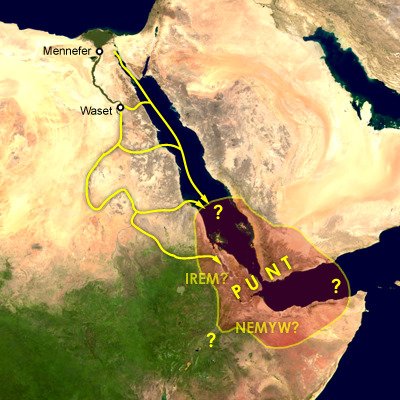
The first likely historical reference to Ethiopia is ancient Egyptian records of trade expeditions to the "Land of Punt" in search of gold, ebony, ivory, incense, and wild animals, starting in c 2500 BC 🇪🇹
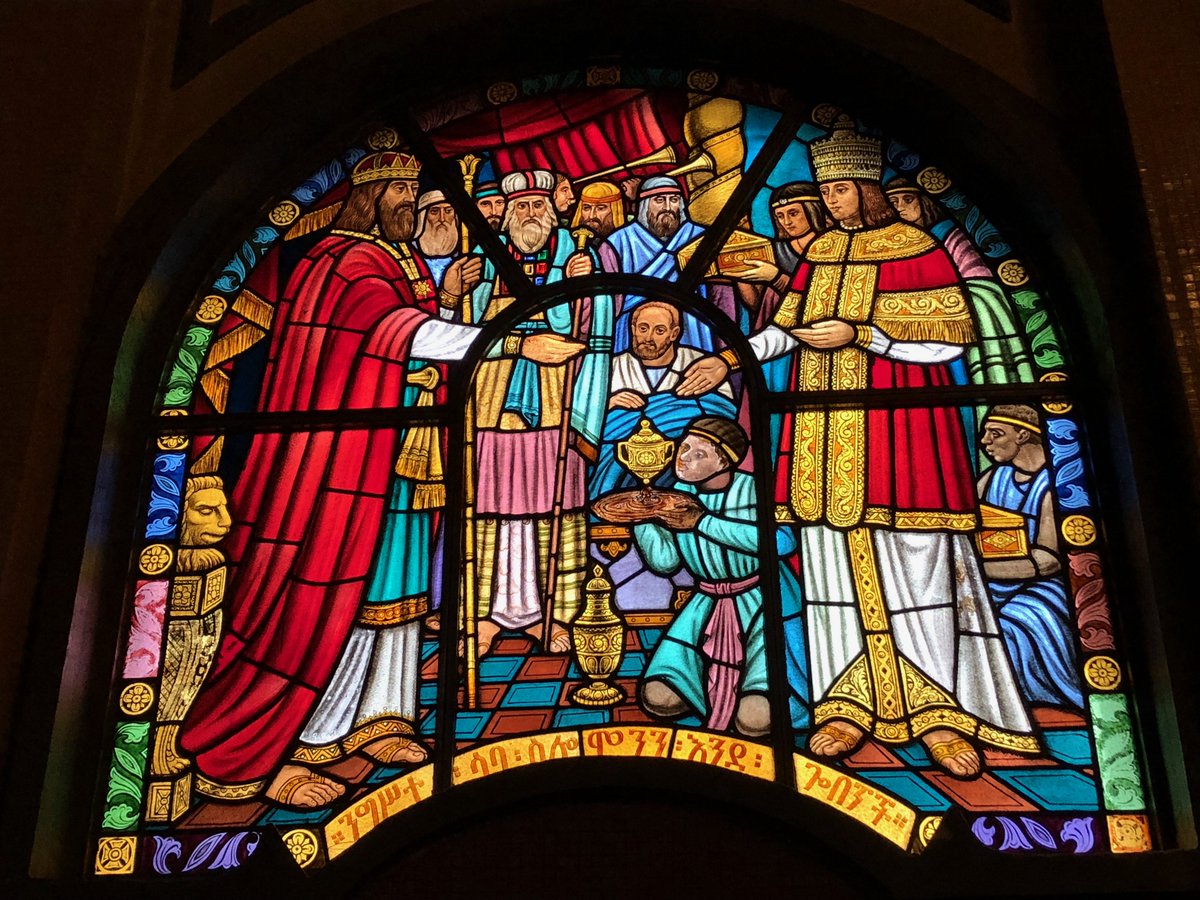
Ethiopians themselves believe that the Queen of Sheba, who visited Israel's King Solomon in the Bible (c 950 BC), came from Ethiopia (not Yemen, as others believe). Here she is meeting Solomon in a stain-glassed window in Addis Ababa's Holy Trinity Church. 🇪🇹
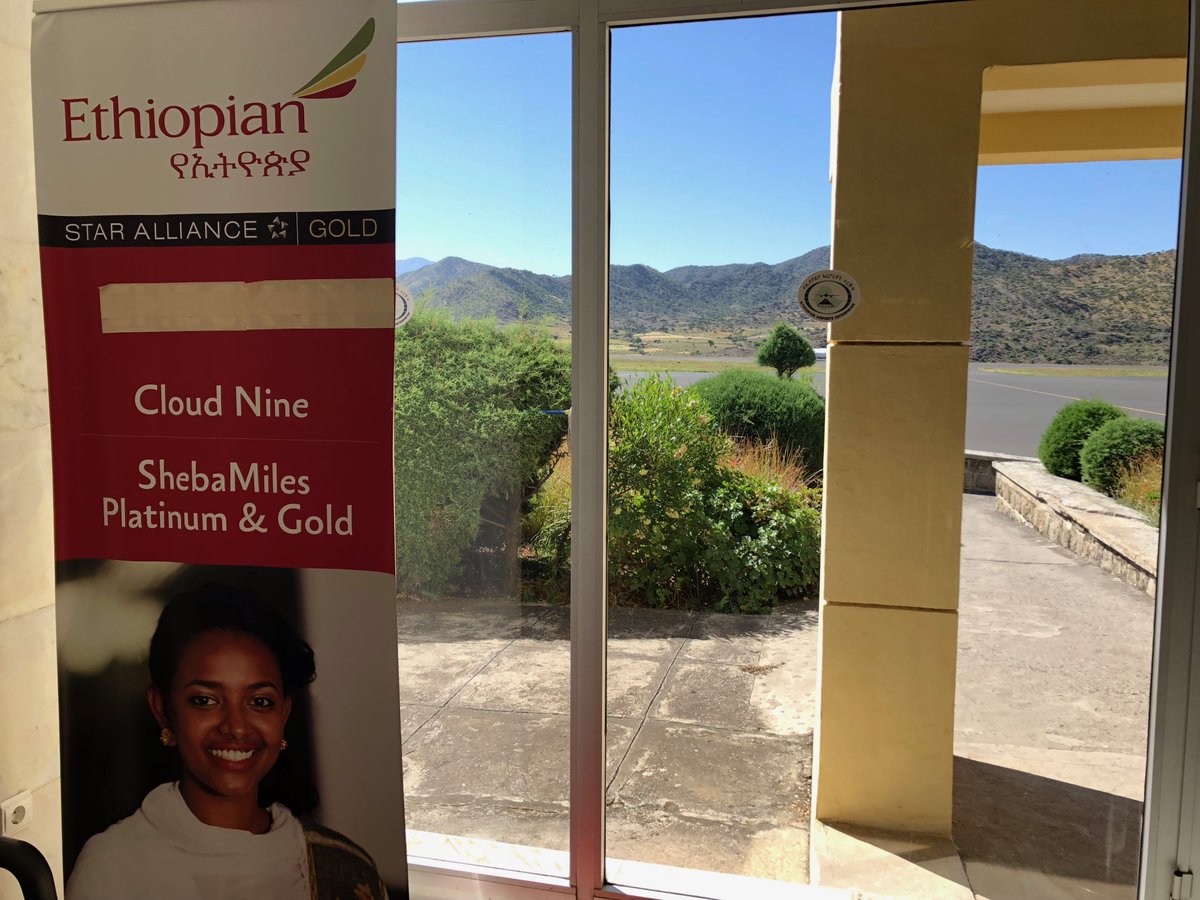
References to the Queen of Sheba are everywhere in Ethiopia. The national airline's frequent flier miles are even called "ShebaMiles". 🇪🇹
I'll begin with the ancient history ... and it goes way back. Because modern humans - and before that, the ancestors of humans - almost certainly originated in Ethiopia. 🇪🇹 (sub-thread):
The famous \u201cLucy\u201d, an early ancestor of modern humans (Australopithecus) that lived 3.2 million years ago, and was discovered in 1974 in Ethiopia, displayed in the national museum in Addis Ababa \U0001f1ea\U0001f1f9 pic.twitter.com/N3oWqk1SW2
— Patrick Chovanec (@prchovanec) November 9, 2018
The first likely historical reference to Ethiopia is ancient Egyptian records of trade expeditions to the "Land of Punt" in search of gold, ebony, ivory, incense, and wild animals, starting in c 2500 BC 🇪🇹
Ethiopians themselves believe that the Queen of Sheba, who visited Israel's King Solomon in the Bible (c 950 BC), came from Ethiopia (not Yemen, as others believe). Here she is meeting Solomon in a stain-glassed window in Addis Ababa's Holy Trinity Church. 🇪🇹
References to the Queen of Sheba are everywhere in Ethiopia. The national airline's frequent flier miles are even called "ShebaMiles". 🇪🇹