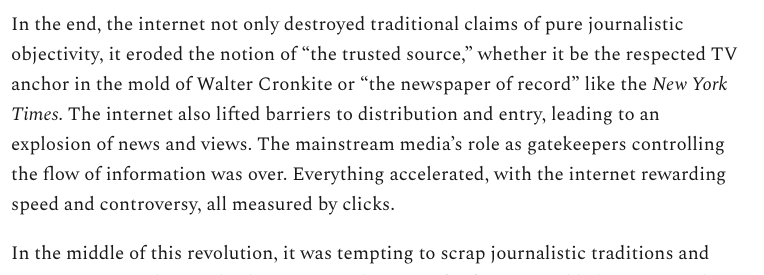
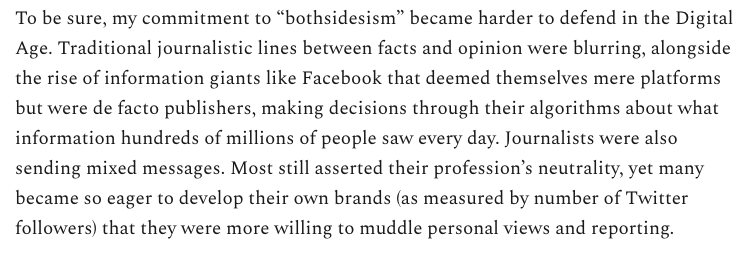
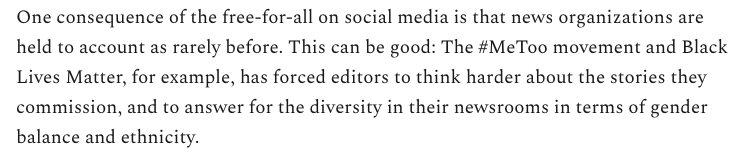
Oh, my. Former FT Editor @lionelbarber defends bothsideism, impartiality, objectivity and other recent journalistic tradition.
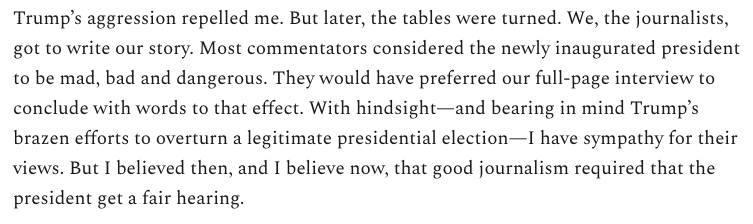
More from Trump

OK, #Squidigation fans, I think we need to talk about the new Wisconsin suit Donald Trump filed - personally - in Federal Court last night. The suit is (as usual) meritless. But it's meritless in new and disturbing ways. This thread will be
Not, I hope, Seth Abramson long. But will see.
I apologize in advance to my wife, who would very much prefer I be billing time (today's a light day, though) and to my assistant, to whom I owe some administrative stuff this will likely keep me from 😃
First, some background. Trump's suit essentially tries to Federalize the Wisconsin Supreme Court complaint his campaign filed, which we discussed here.
If you haven't already, go read that thread. I'm not going to be re-doing the same analysis, and I'm not going to be cross-linking to that discussion as we go. (Sorry, I like you guys, and I see this as public service, but there are limits)
Also, @5DollarFeminist has a good stand-alone thread analyzing the new Federal complaint - it's worth reading as well, though some of the analysis will overlap.
\U0001f6a8BREAKING: Trump files new federal court lawsuit in Wisconsin challenging the results of the election.https://t.co/LfKb2PUIkq
— Marc E. Elias (@marceelias) December 3, 2020
Not, I hope, Seth Abramson long. But will see.
I apologize in advance to my wife, who would very much prefer I be billing time (today's a light day, though) and to my assistant, to whom I owe some administrative stuff this will likely keep me from 😃
First, some background. Trump's suit essentially tries to Federalize the Wisconsin Supreme Court complaint his campaign filed, which we discussed here.
OK, #squidigation fans. This is a new Wisconsin case not filed by the Krake[n/d] team of Powell and Wood and NOT focusing on wild conspiracy theories. It's a competent and professional filing that raises things that would be real issues ... if you don't understand why they aren't https://t.co/ETvUiWV5du
— Akiva Cohen (@AkivaMCohen) December 1, 2020
If you haven't already, go read that thread. I'm not going to be re-doing the same analysis, and I'm not going to be cross-linking to that discussion as we go. (Sorry, I like you guys, and I see this as public service, but there are limits)
Also, @5DollarFeminist has a good stand-alone thread analyzing the new Federal complaint - it's worth reading as well, though some of the analysis will overlap.
Every one of these Trump election suits is the same gobbledygook garbage barge:
— Liz Dye (@5DollarFeminist) December 3, 2020
FRAUD!
It coulda happened.
Well, no, we can't prove it.
But just to be safe, best let the gerrymandered legislature give us all the electoral votes!https://t.co/Z926668H05 pic.twitter.com/xGZsJKIO7Y

1/ In a Trump Tower press conference, held nine days before he took office, Donald Trump described his plan to separate his business from his presidency. Over the last few years, the key pillars of that plan have crumbled. Let’s go through them one-by-one.
2/ Promise 1 of Trump’s ethics plan: “No new foreign deals will be made whatsoever during the duration of President Trump’s presidency,” his attorney said. Trump did at least one new foreign deal anyway.
(See the promise at 31:57 of the video
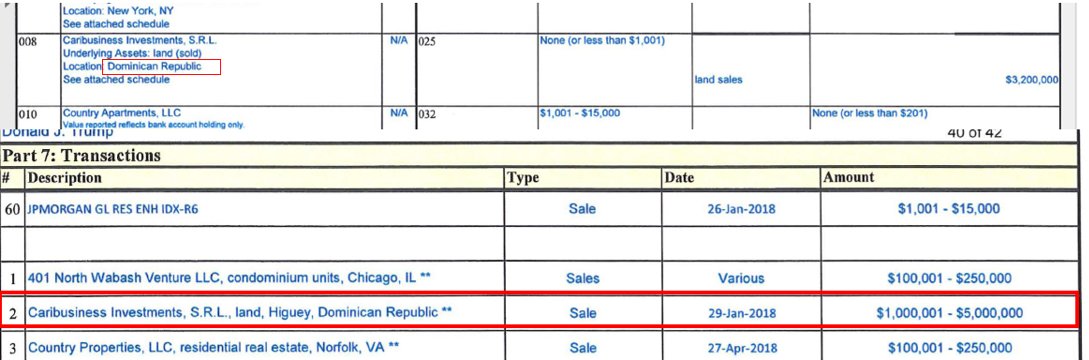
3/ We know that the president did new a new foreign deal in office because he himself admitted it—on a financial disclosure report filed with federal ethics officials. You can see here that he sold $3.2M of land in the Dominican Republic on Jan. 29, 2018. https://t.co/U7r3VCiJPM
4/ Promise 2 of Trump’s ethics plan: He said he wasn’t going to talk about the business with his sons, Eric and Don Jr., who he put in charge of day-to-day operations. Doesn’t look like he kept that promise either.
(See promise 25:00 into the
5/ Contradicting his father, Eric Trump later told me that he did in fact plan to update his dad on the business. “Yeah, on the bottom line, profitability reports and stuff like that. But you know, that’s about it.”
2/ Promise 1 of Trump’s ethics plan: “No new foreign deals will be made whatsoever during the duration of President Trump’s presidency,” his attorney said. Trump did at least one new foreign deal anyway.
(See the promise at 31:57 of the video
3/ We know that the president did new a new foreign deal in office because he himself admitted it—on a financial disclosure report filed with federal ethics officials. You can see here that he sold $3.2M of land in the Dominican Republic on Jan. 29, 2018. https://t.co/U7r3VCiJPM
4/ Promise 2 of Trump’s ethics plan: He said he wasn’t going to talk about the business with his sons, Eric and Don Jr., who he put in charge of day-to-day operations. Doesn’t look like he kept that promise either.
(See promise 25:00 into the
5/ Contradicting his father, Eric Trump later told me that he did in fact plan to update his dad on the business. “Yeah, on the bottom line, profitability reports and stuff like that. But you know, that’s about it.”

Having a Twitter account is not a right.
If you incite violence on Twitter, the company can - and should - stop you. Good call.
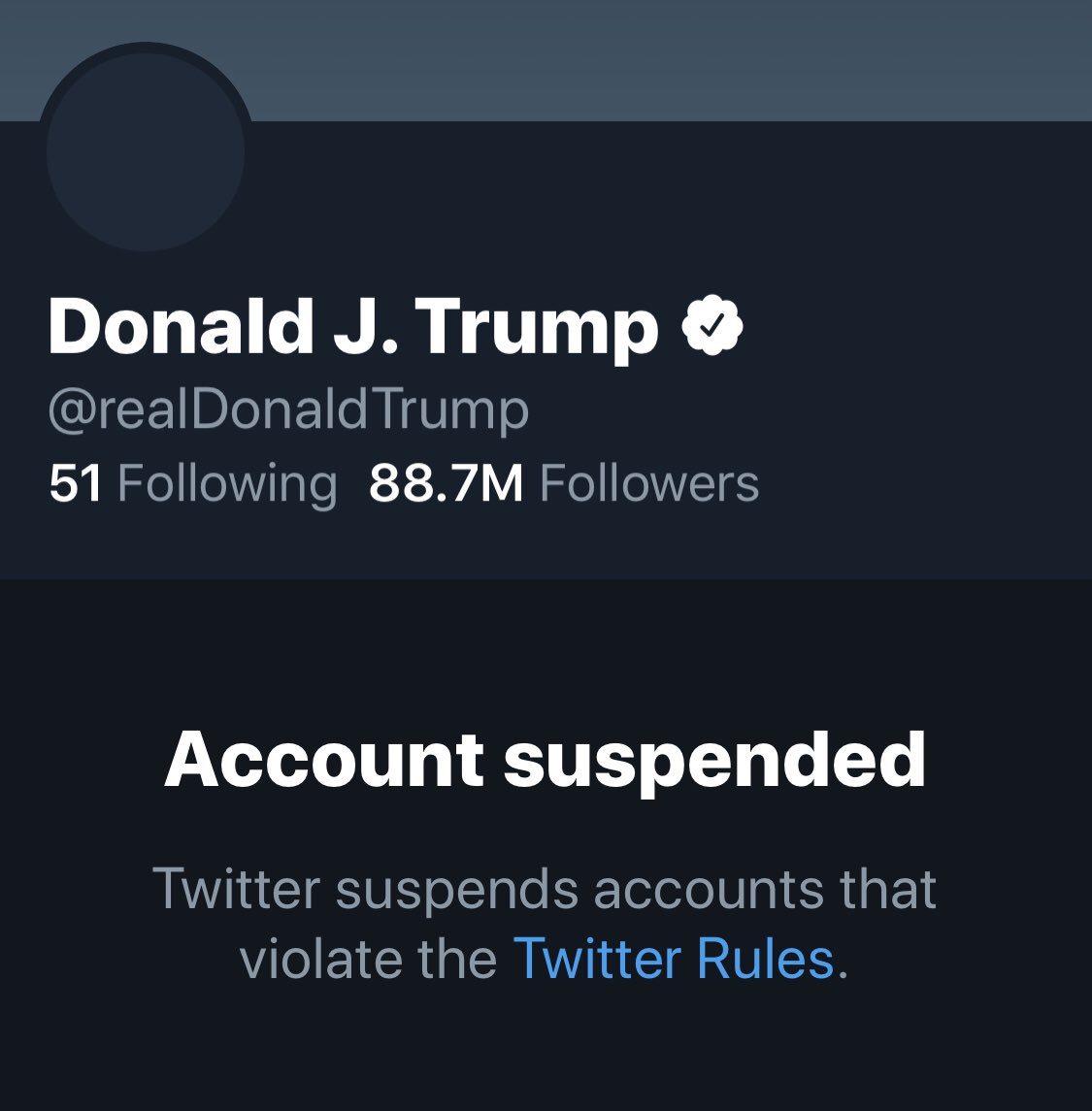
Plans for “future armed protests” are spreading on Twitter and elsewhere, the company warned, “including a proposed secondary attack on the US Capitol and state capitol buildings on January 17, 2021”.
Yes, people who boosted their careers off of Trump - his sycophants, his kids & people like Haley, who helped him attack and undermine human rights around the world - are boo-hooing right now.
Always beware of powerful people pretending to be victims.
https://t.co/0A5D5eJFvL
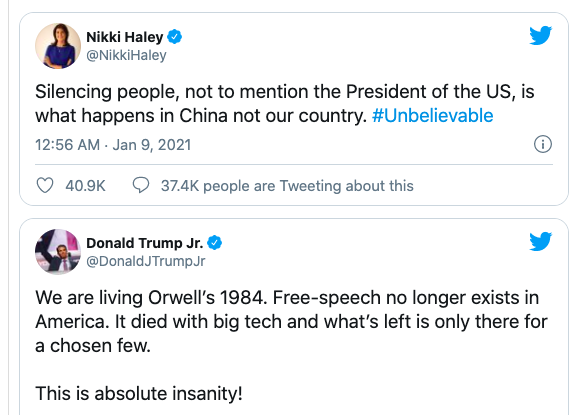
But no one should react with glee. The president of the United States has been inciting violence, and Republican Party leaders, along with a willing, violent mob, have been aiding his attempts to overthrow the democratic process.
That's the real story here.
The dangers are real, and we've all seen them. That Twitter even had to contemplate banning any politician for inciting violence is awful. That they had to ban the sitting president for it is even worse.
If you incite violence on Twitter, the company can - and should - stop you. Good call.
Plans for “future armed protests” are spreading on Twitter and elsewhere, the company warned, “including a proposed secondary attack on the US Capitol and state capitol buildings on January 17, 2021”.
Yes, people who boosted their careers off of Trump - his sycophants, his kids & people like Haley, who helped him attack and undermine human rights around the world - are boo-hooing right now.
Always beware of powerful people pretending to be victims.
https://t.co/0A5D5eJFvL
But no one should react with glee. The president of the United States has been inciting violence, and Republican Party leaders, along with a willing, violent mob, have been aiding his attempts to overthrow the democratic process.
That's the real story here.
The dangers are real, and we've all seen them. That Twitter even had to contemplate banning any politician for inciting violence is awful. That they had to ban the sitting president for it is even worse.


Today's Twitter threads (a Twitter thread).
Inside: Stop saying "it's not censorship if it's not the government"; Trump's swamp gators find corporate refuge; and more!
Archived at: https://t.co/7JMcAbaULj
#Pluralistic
1/
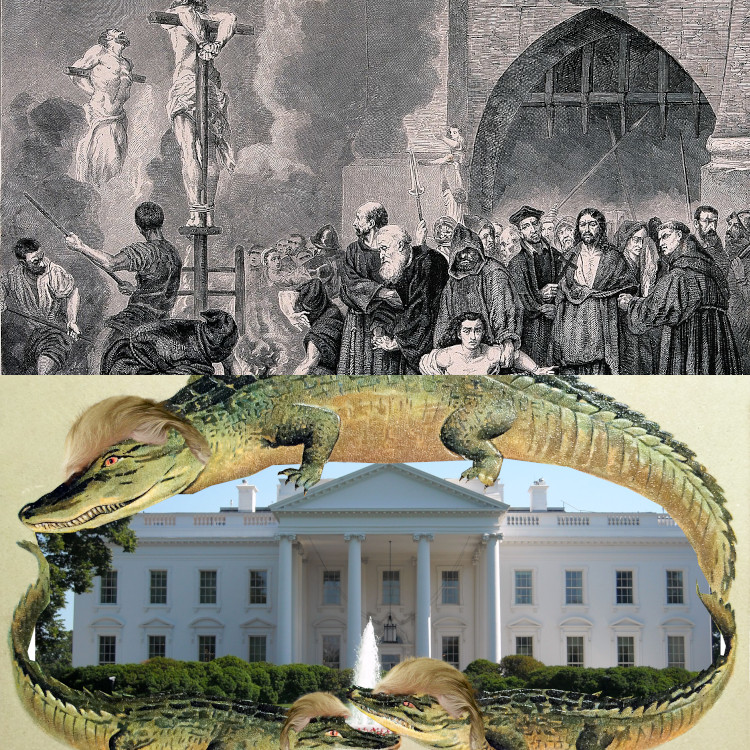
Monday night, I'll be helping William Gibson launch the paperback edition of his novel AGENCY at a Strand Bookstore videoconference. Come say hi!
https://t.co/k3fvBdqOK0
2/
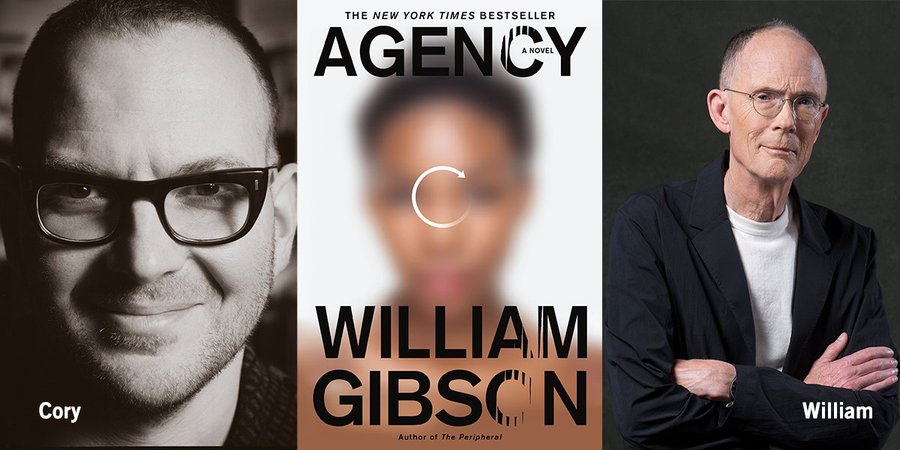
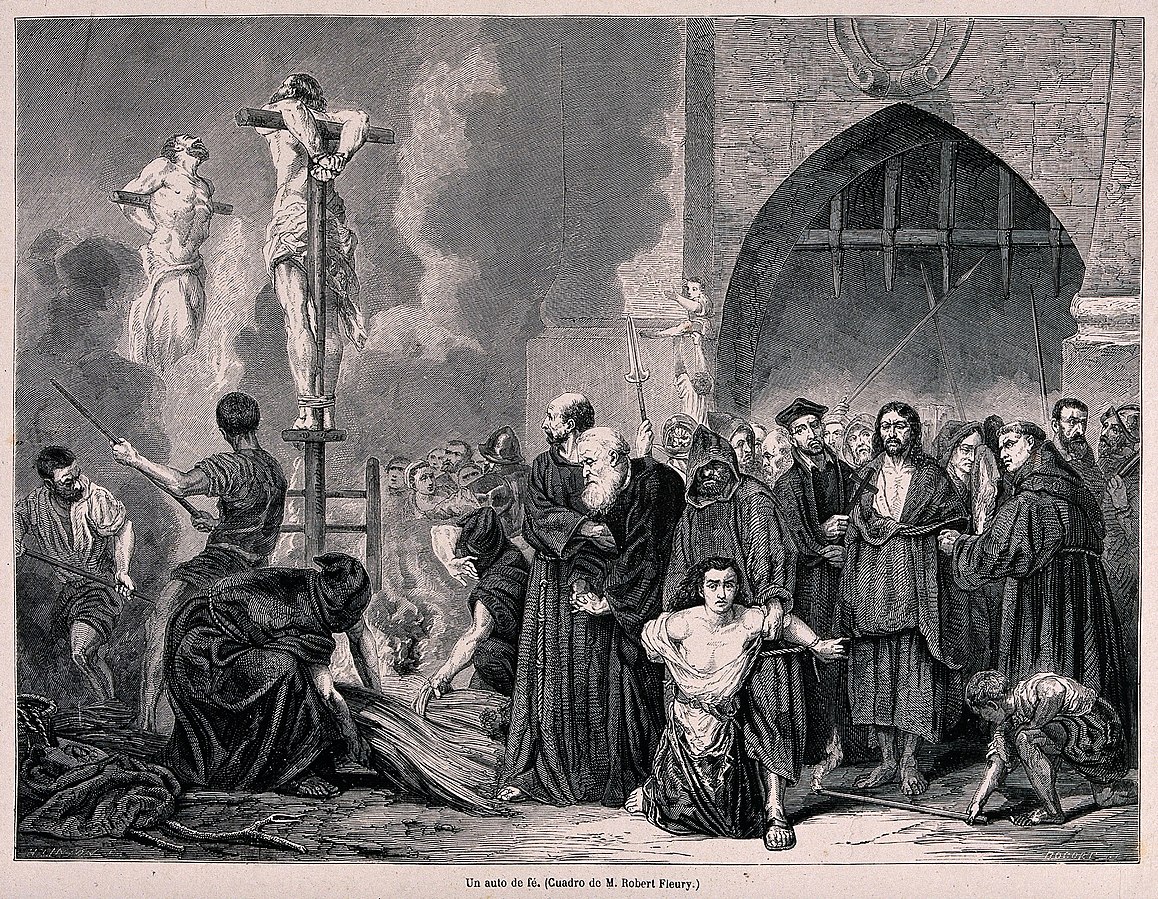
Stop saying "it's not censorship if it's not the government": I didn't expect the Spanish Inquisition.
https://t.co/7I0MpCTez5
3/
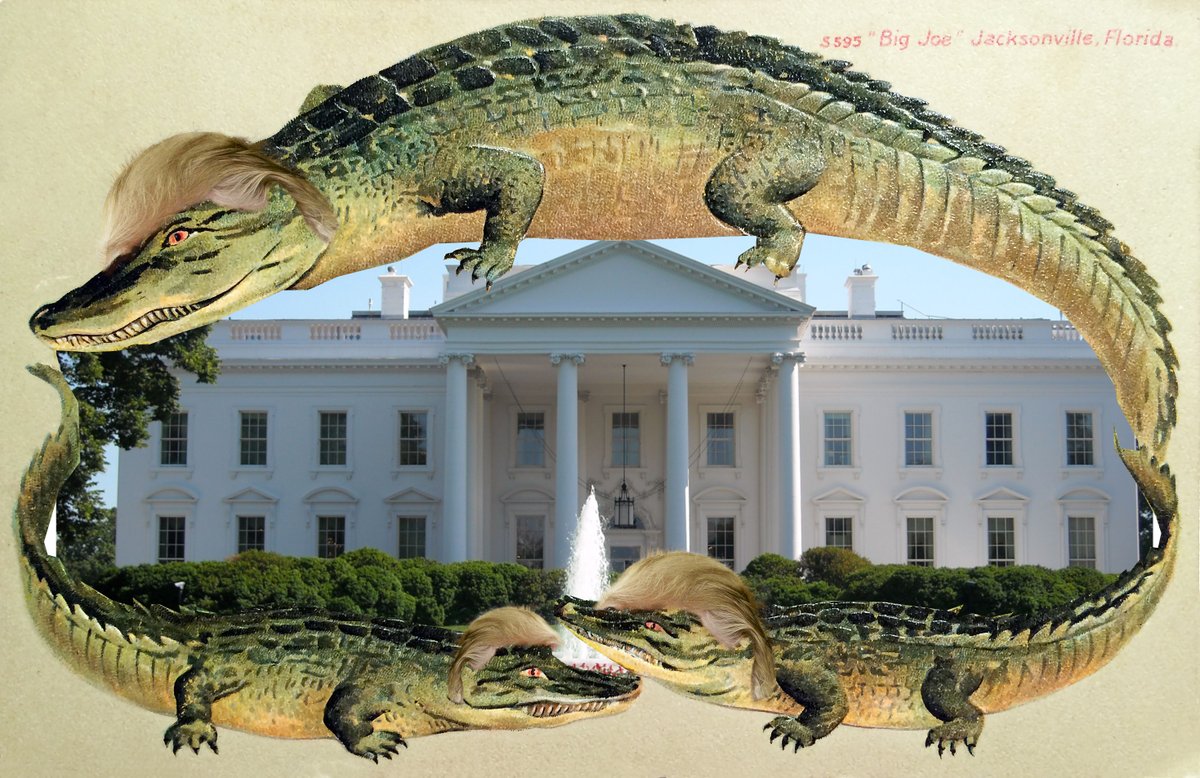
Trump's swamp gators find corporate refuge: The Swamped project.
https://t.co/MUJyIOr2iw
4/
#15yrsago A-Hole bill would make a secret technology into the law of the land https://t.co/57bJaM1Byr
#15yrsago Hollywood’s MP loses the election — hit the road, Sam! https://t.co/12ssYpV46B
#15yrsago How William Gibson discovered science fiction https://t.co/MYR0go37nW
5/
Inside: Stop saying "it's not censorship if it's not the government"; Trump's swamp gators find corporate refuge; and more!
Archived at: https://t.co/7JMcAbaULj
#Pluralistic
1/
Monday night, I'll be helping William Gibson launch the paperback edition of his novel AGENCY at a Strand Bookstore videoconference. Come say hi!
https://t.co/k3fvBdqOK0
2/
Stop saying "it's not censorship if it's not the government": I didn't expect the Spanish Inquisition.
https://t.co/7I0MpCTez5
3/
If you think "It's not censorship unless the government does it," I want to change your mind.
— Cory Doctorow #BLM (@doctorow) January 24, 2021
It's absolutely true that the First Amendment only prohibits government action to suppress speech based on its content, but the First Amendment is not the last word on censorship.
1/ pic.twitter.com/ycbLLDhtrd
Trump's swamp gators find corporate refuge: The Swamped project.
https://t.co/MUJyIOr2iw
4/
Have you seen the stories about how Trump administration officials and staffers for Ted Cruz are finding that no one in the private sector will hire them because they are forever tainted by their former bosses' disgraceful behavior?
— Cory Doctorow #BLM (@doctorow) January 24, 2021
They're bullshit.https://t.co/XvYDPpR9yd
1/ pic.twitter.com/VxisK4d8jV
#15yrsago A-Hole bill would make a secret technology into the law of the land https://t.co/57bJaM1Byr
#15yrsago Hollywood’s MP loses the election — hit the road, Sam! https://t.co/12ssYpV46B
#15yrsago How William Gibson discovered science fiction https://t.co/MYR0go37nW
5/