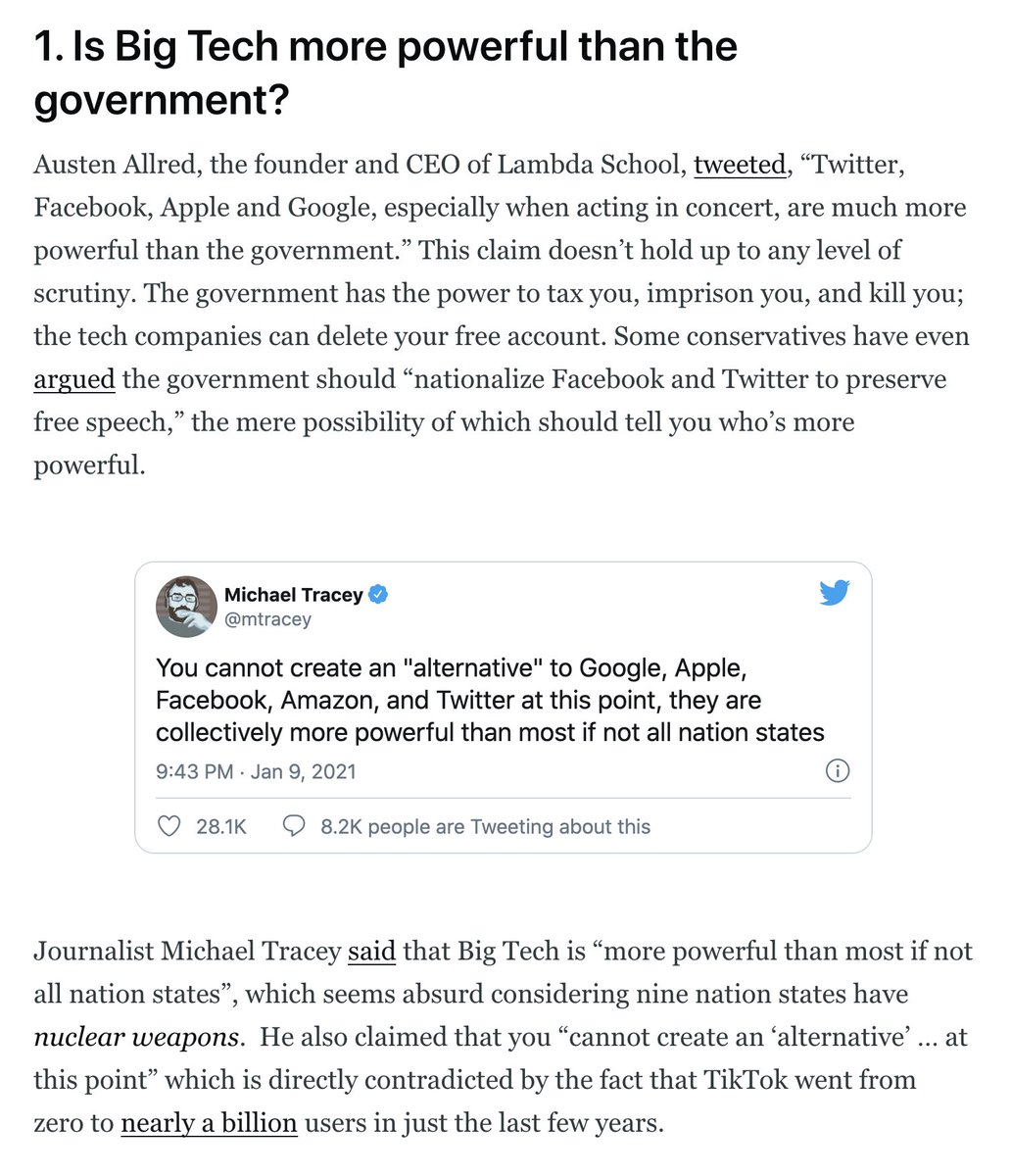
1. Contrary to what many people have been claiming, no, Big Tech is not more powerful than the government.
The government can tax you, imprison you, and kill you. It can even nationalize private companies.
Tech companies can delete your free account.
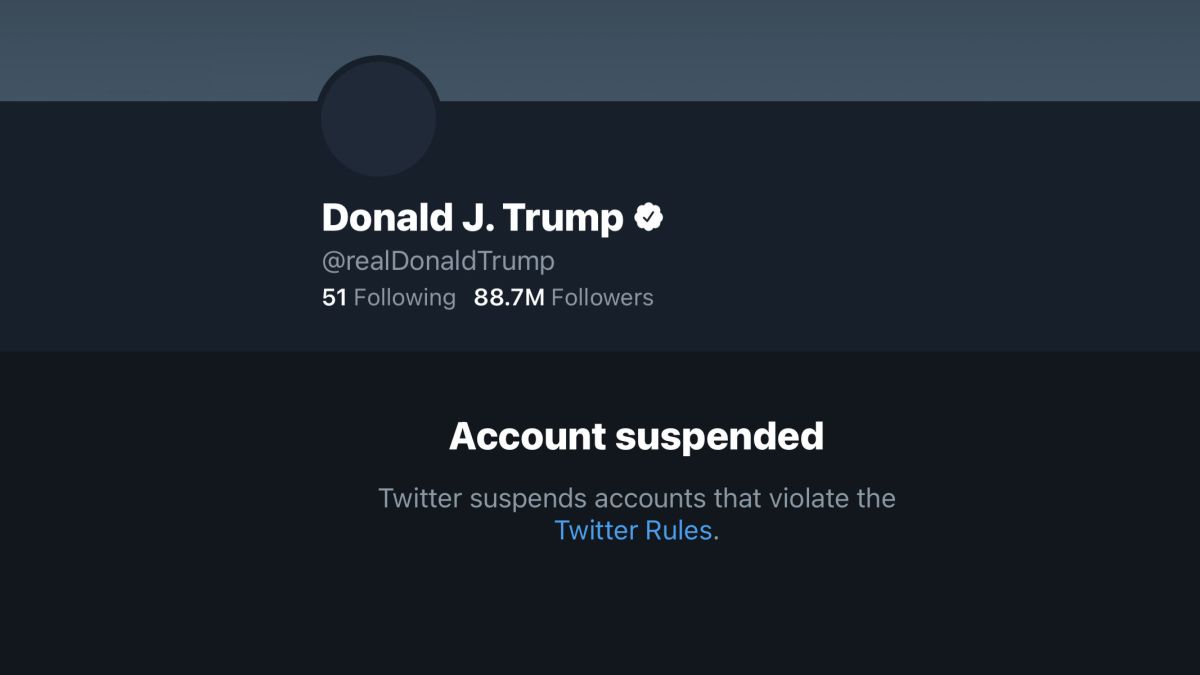
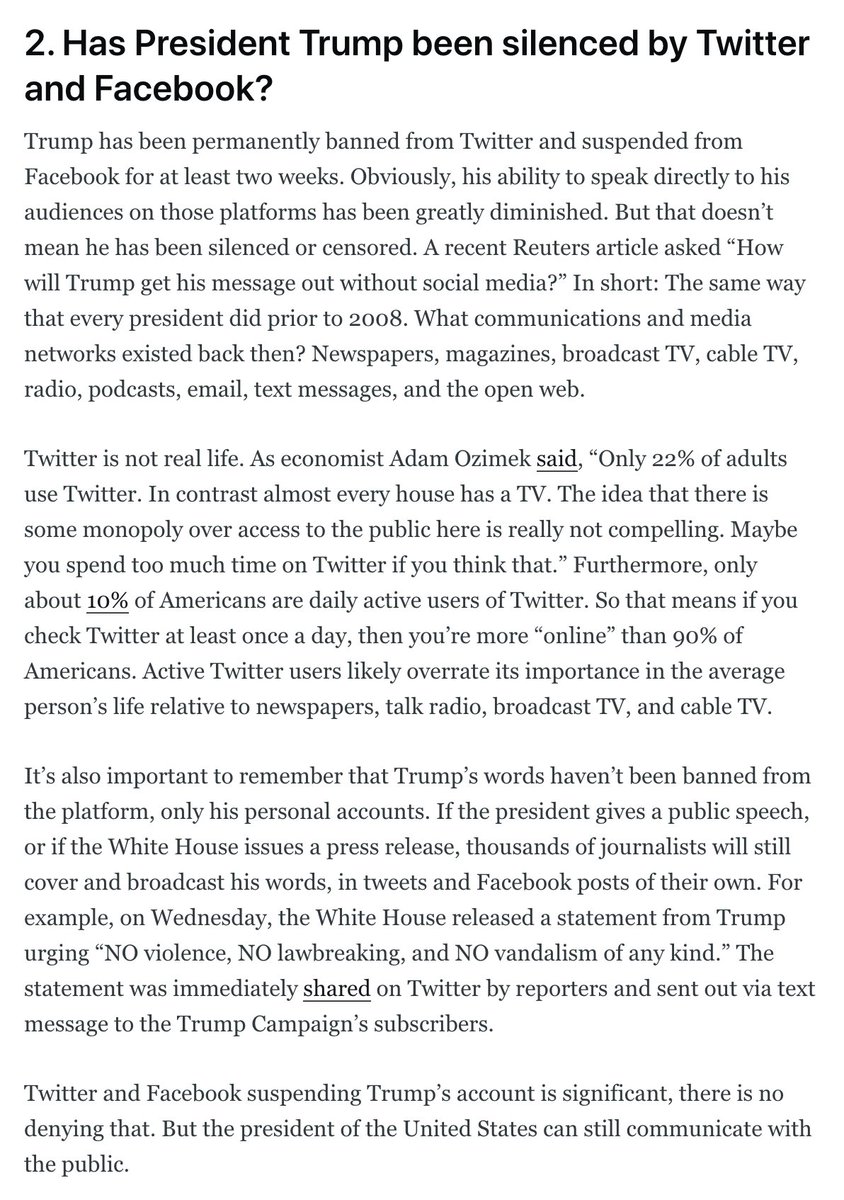
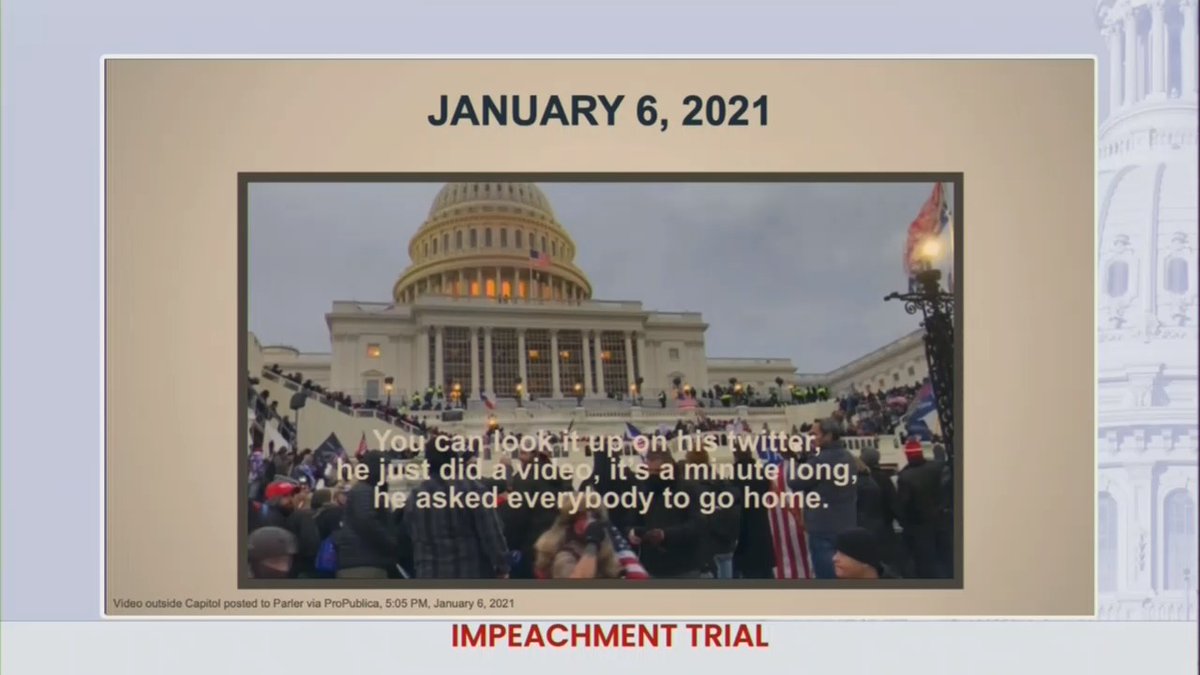
2. Trump may be banned from Facebook and Twitter, but he’s still the president of the United States and he has not been silenced.
As
@ModeledBehavior reminded us, only 22% of adults use Twitter. (And only 10% are daily active users).
Twitter is not real life.
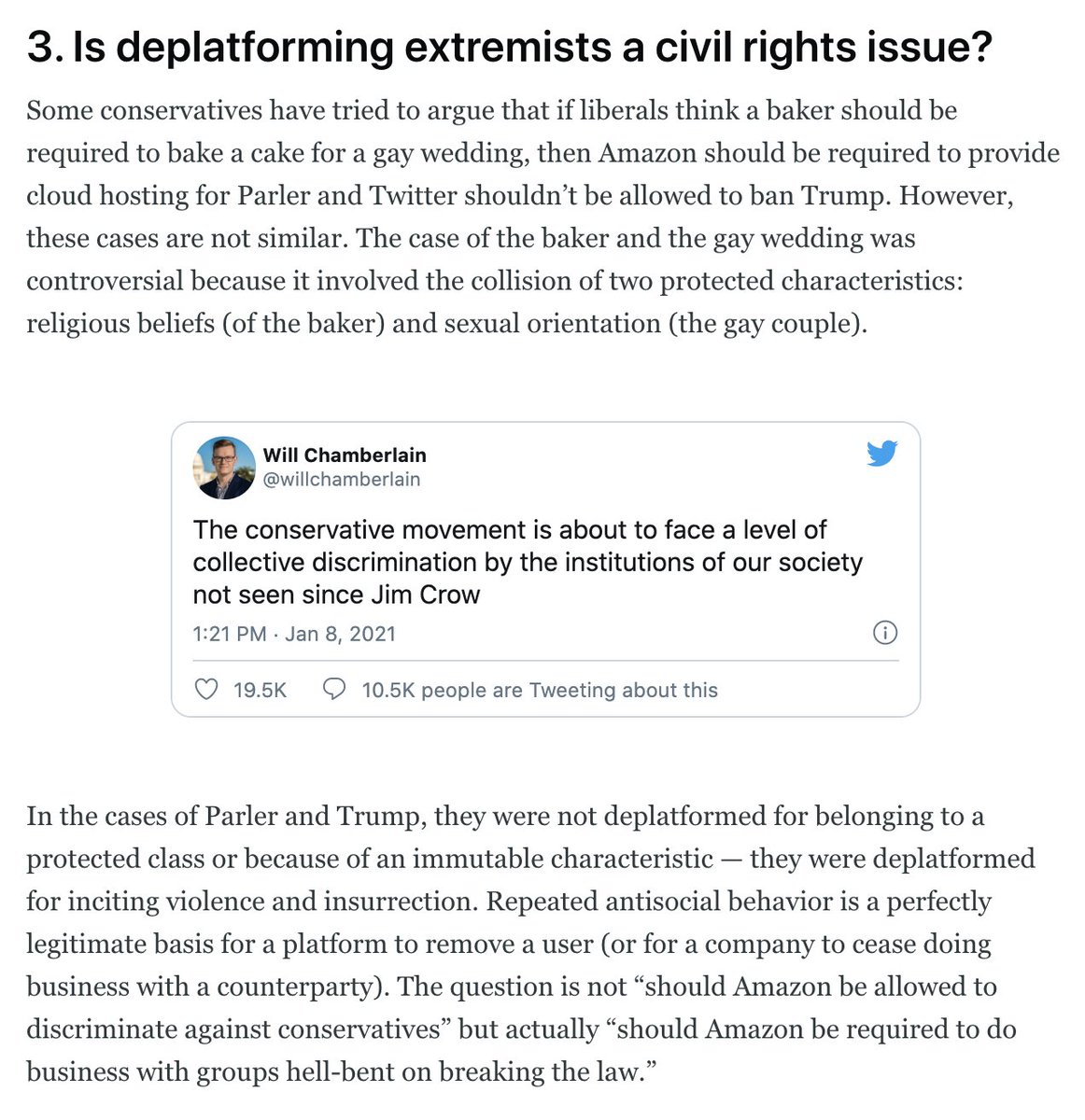
3. Banning right-wing extremists or those who incite violence is not a slippery slope toward an Orwellian dystopia, and it’s certainly not a civil rights issue (contrary to what
@willchamberlain might claim).
Every platform bans some users for speech issues, including Parler.
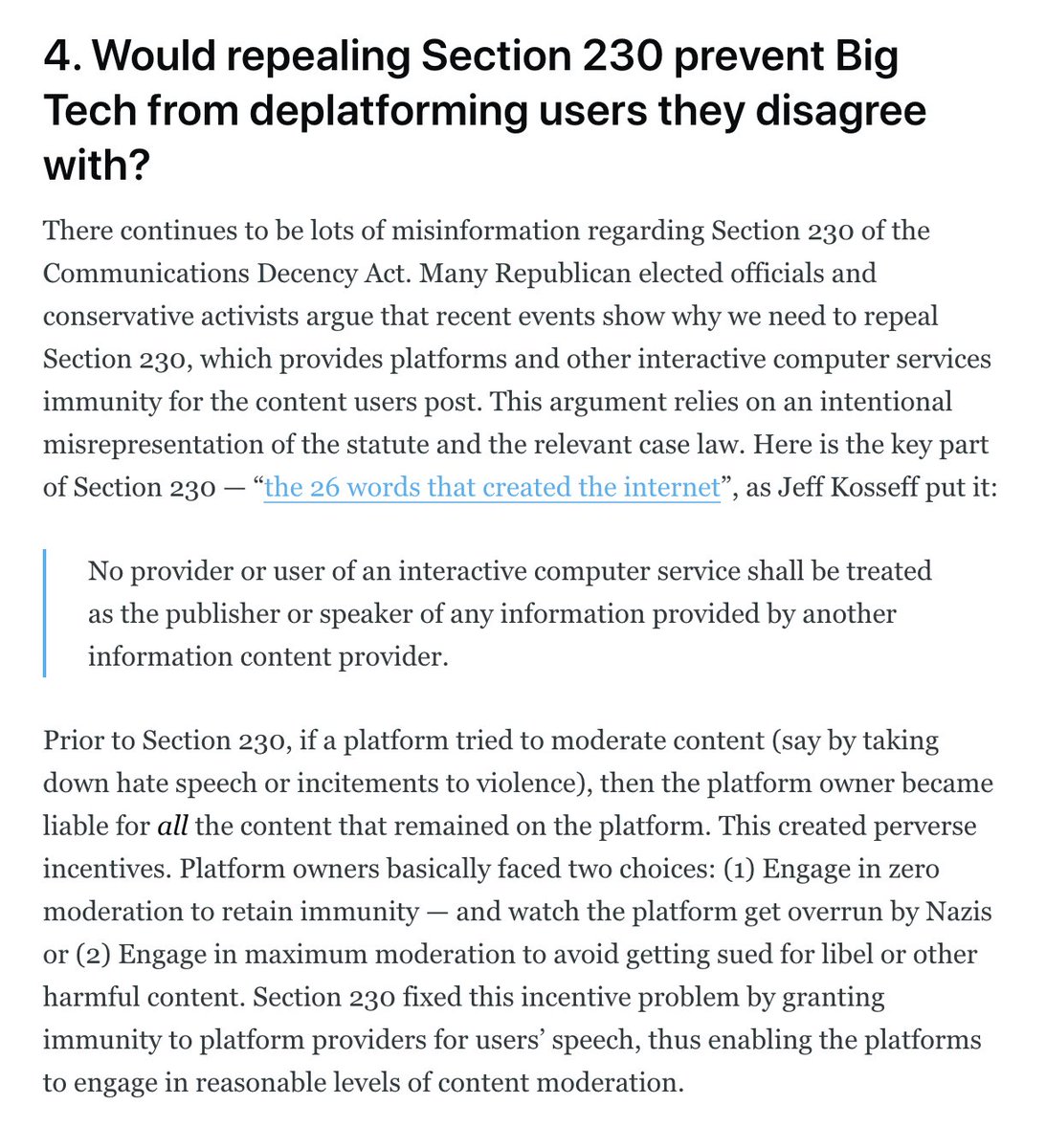
4. Repealing Section 230 would not solve any of these issues (and might make them worse).
People who claim "this is why we need to repeal 230" are lying to you (or severely misinformed).
Follow experts like
@jkosseff &
@mmasnick to learn what Section 230 actually says and does.
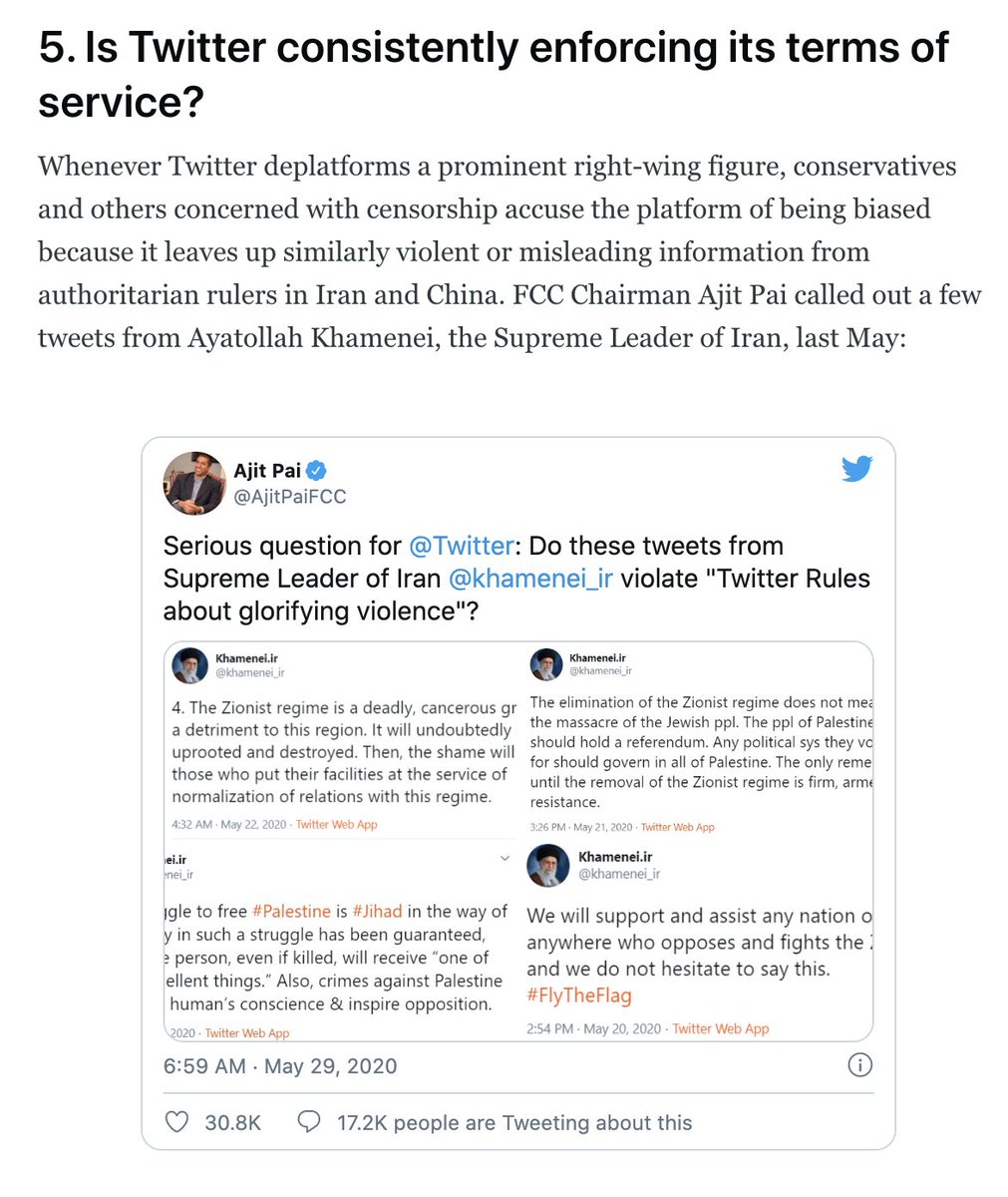
5. Those who say that Twitter is being inconsistent in enforcing its policies are right!
But that doesn’t mean Twitter should leave Trump and other extremists alone.
Twitter should ban both Trump *and* the Supreme Leader of Iran from its platform (and CCP propaganda).
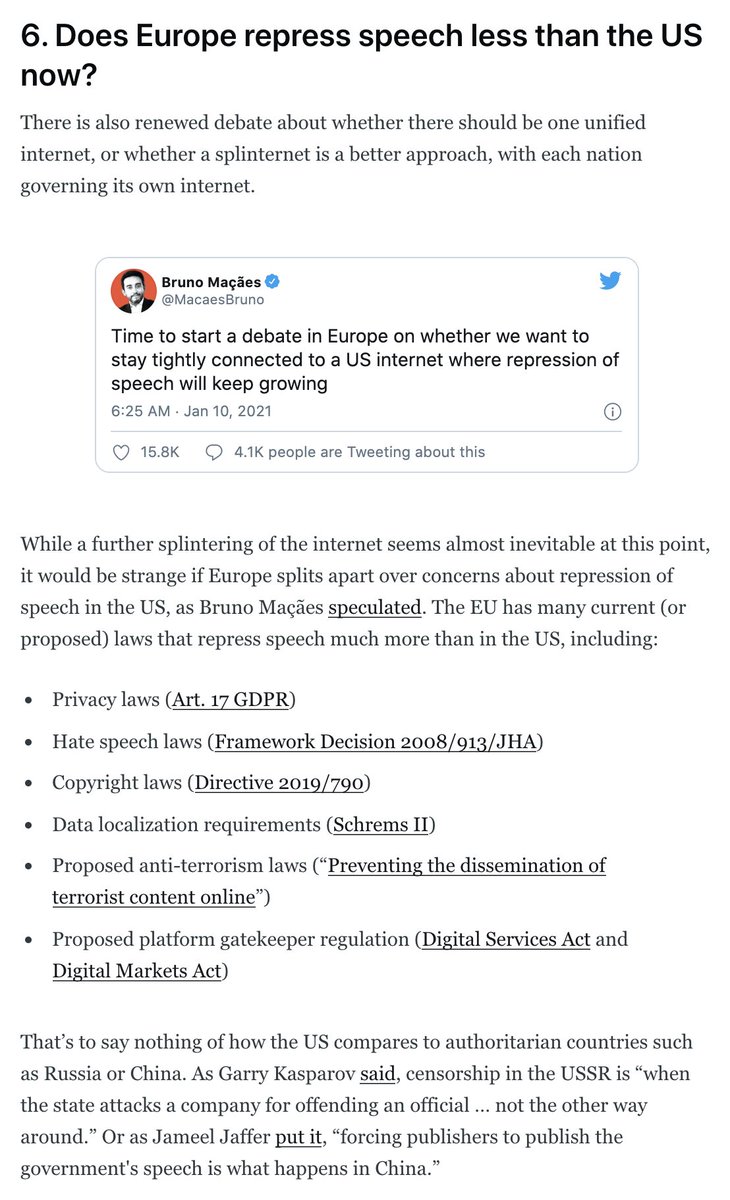
6. It would be silly for Europe to leave the American-led internet over concerns about the suppression of speech.
The EU values free speech way less than we do!
They have laws on privacy, hate speech, copyright, etc that prioritize other values over speech.
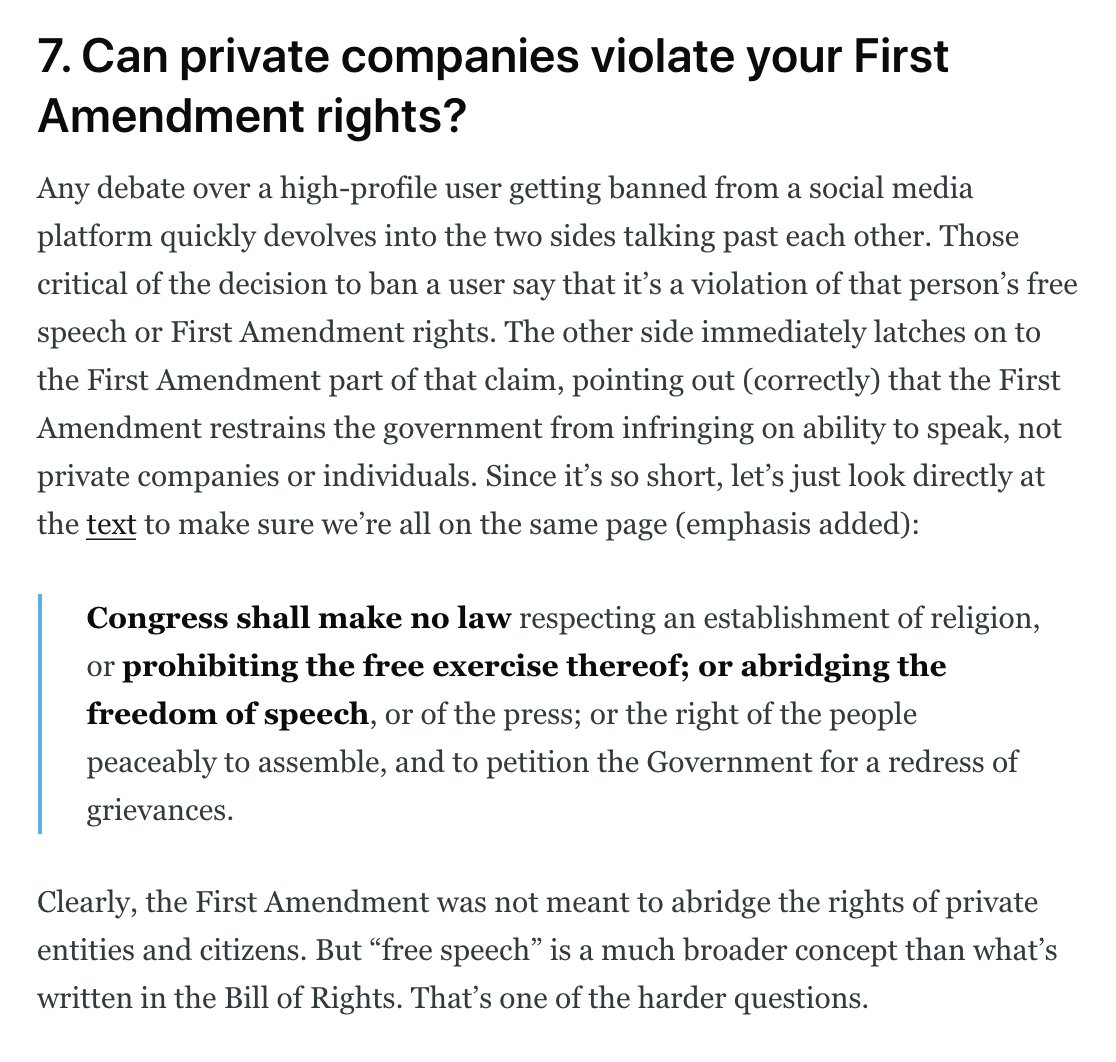
7. No, a private company can't violate your First Amendment rights.
There should be no disagreement on this narrow point...
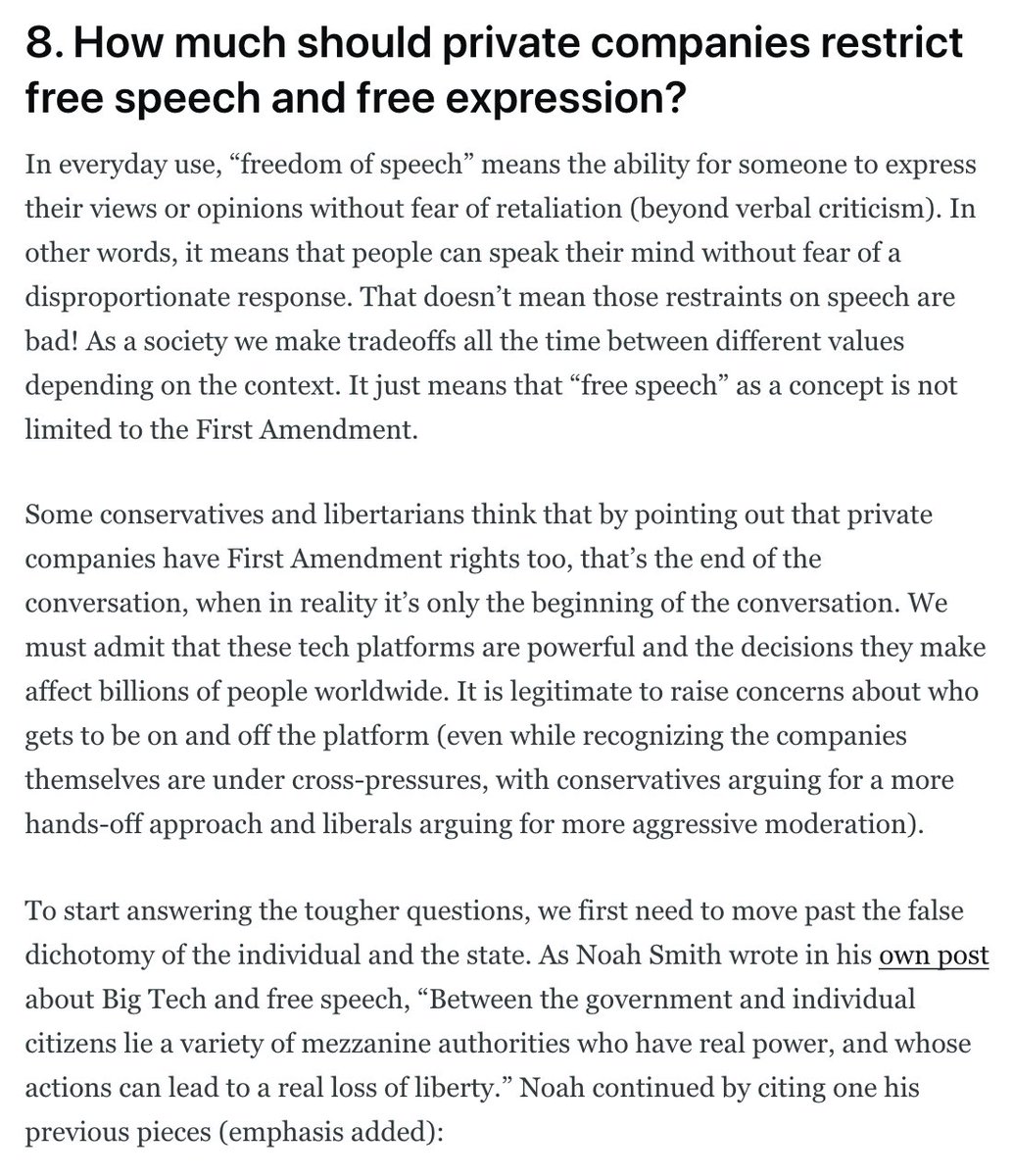
8. But saying a company can't violate your First Amendment rights doesn't end the debate.
Need to look beyond the false dichotomy of the individual & the state, and recognize there are "mezzanine authorities" in society (h/t
@Noahpinion). Companies can restrict free speech.
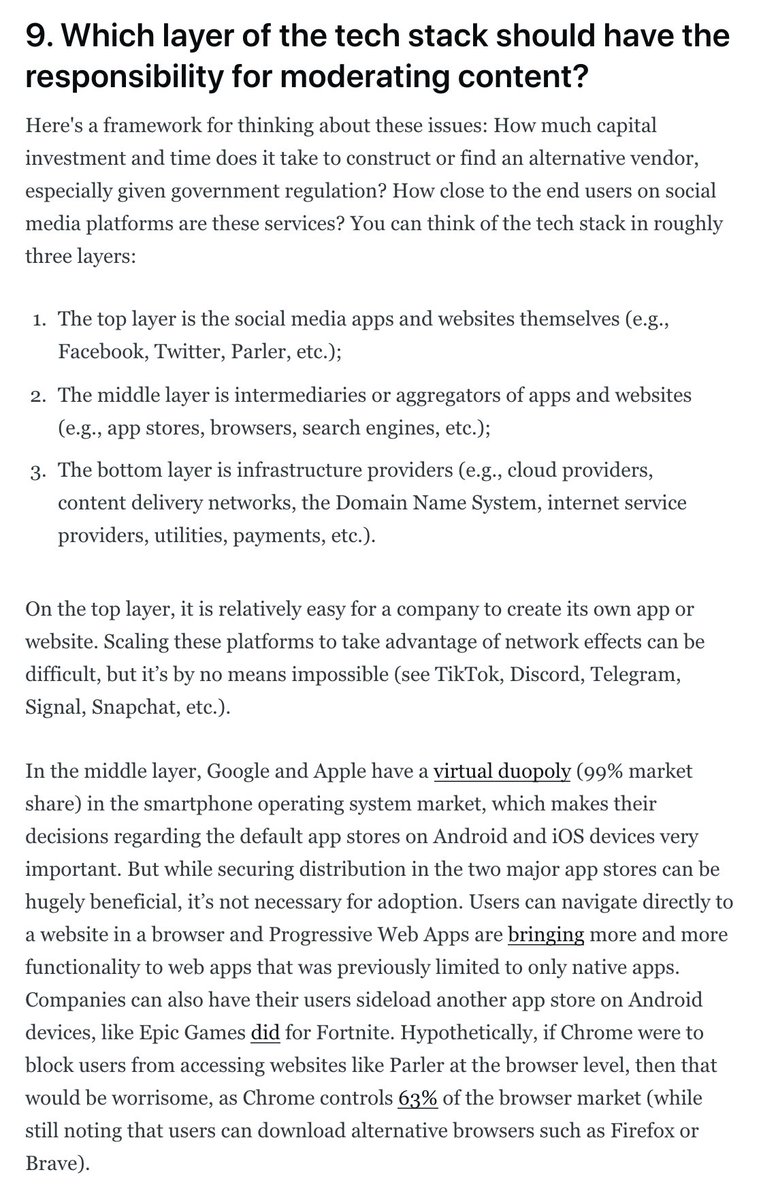
9. So how should policymakers proceed?
I propose a tech stack framework that focuses on 3 tiers.
Top tier (apps & websites) should have the most discretion to moderate.
Bottom tier (infrastructure) should default to neutrality (unless there's competition).
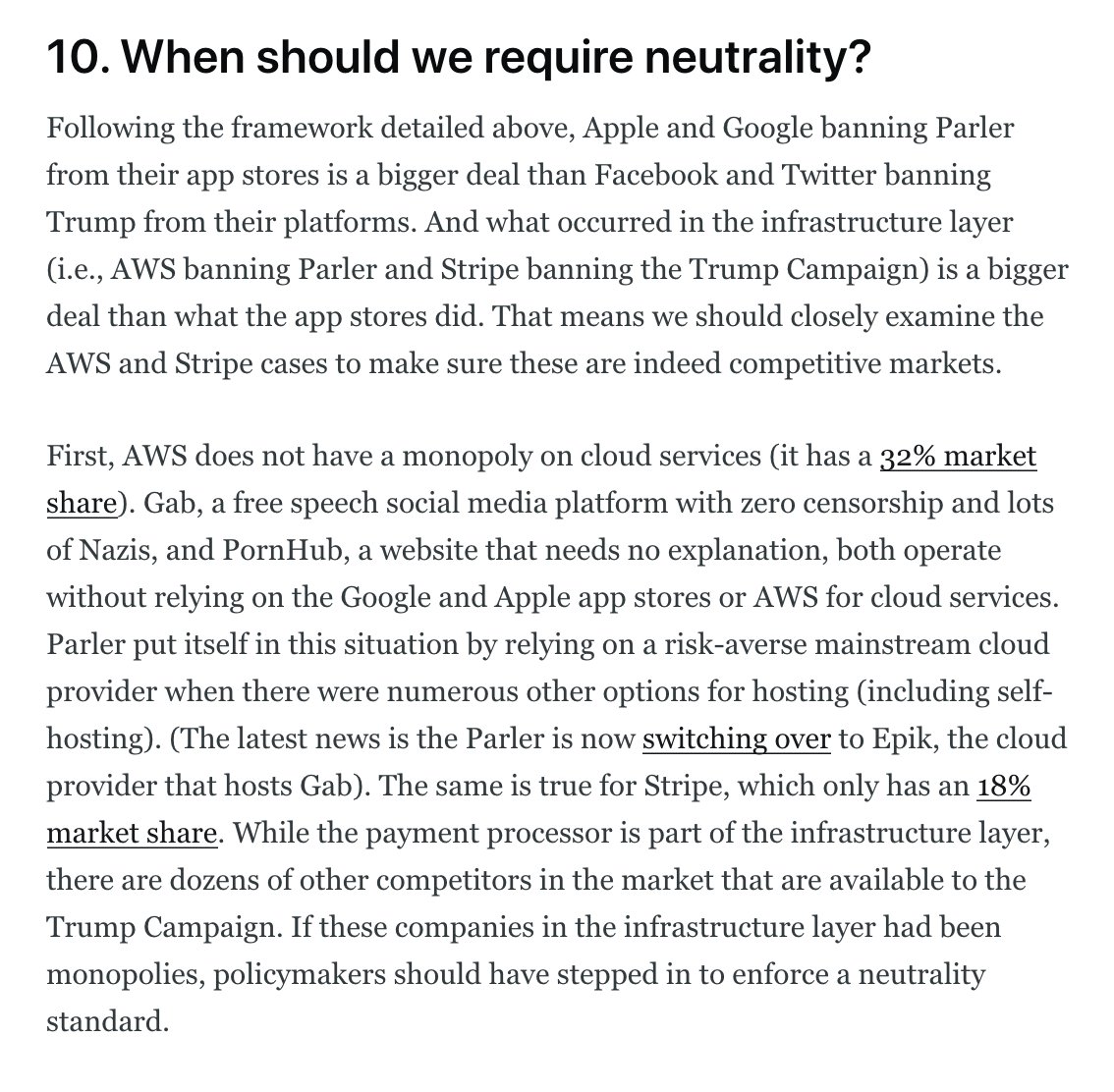
10. We should closely examine deplatforming cases when they happen in the infrastructure layer because there is often little competition (consider local monopolies that utility companies have).
At least in the AWS & Stripe cases, there is lots of competition in cloud & payments.
Here's the full piece if you want more detail:
https://t.co/9043bu5FuY