
After I'd speak to the victim, they'd receive a medical exam from a Sexual Assault Nurse Examiner (SANE).
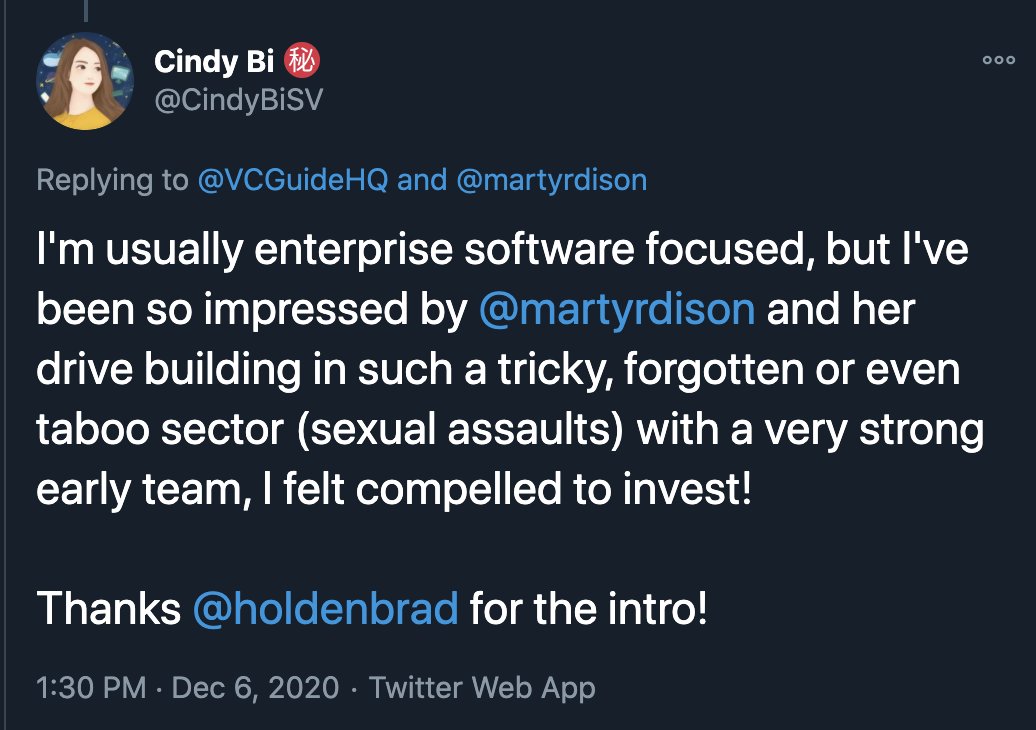
(1/25) A number of Silicon Valley investors are putting their money and influence into a campaign to gaslight rape victims into not seeking medical treatment
despite the warnings of top law enforcement officials
and NOBODY is talking about this.
After I'd speak to the victim, they'd receive a medical exam from a Sexual Assault Nurse Examiner (SANE).
The victim may also receive:
- counseling (hello!)
- treatment for (potentially invisible) injuries
- medications like Plan B and emergency antiretroviral therapy for HIV prophylaxis.
which is possibly the most HARMFUL startup idea that I have ever heard of.
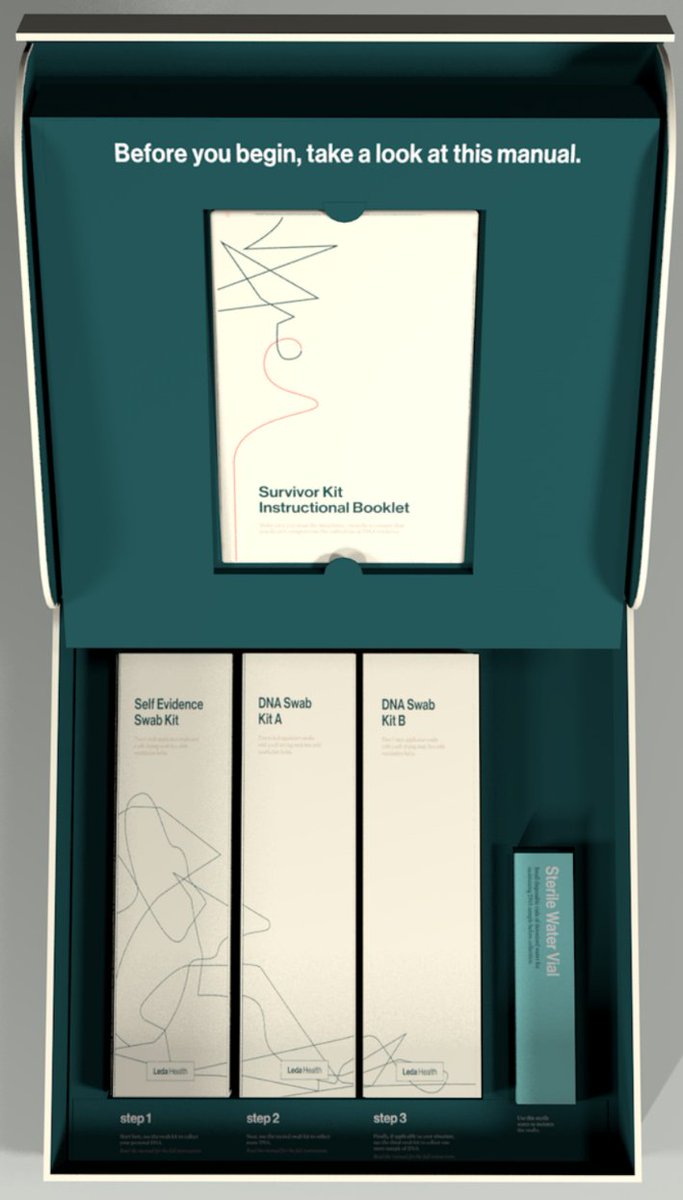
Furthermore, rape kits in a hospital are protected. There needs to be a strong "chain of custody" or the kit will not be admissible in any court.
Such a kit cannot be admissible in court and may harm other efforts to collect evidence.
Leda Health used to be called "MeToo Kits" and they were widely panned in the press for both their tasteless name and their nonsensical plan.
https://t.co/LrGgiCaJGK
https://t.co/3rk0rK2sgF
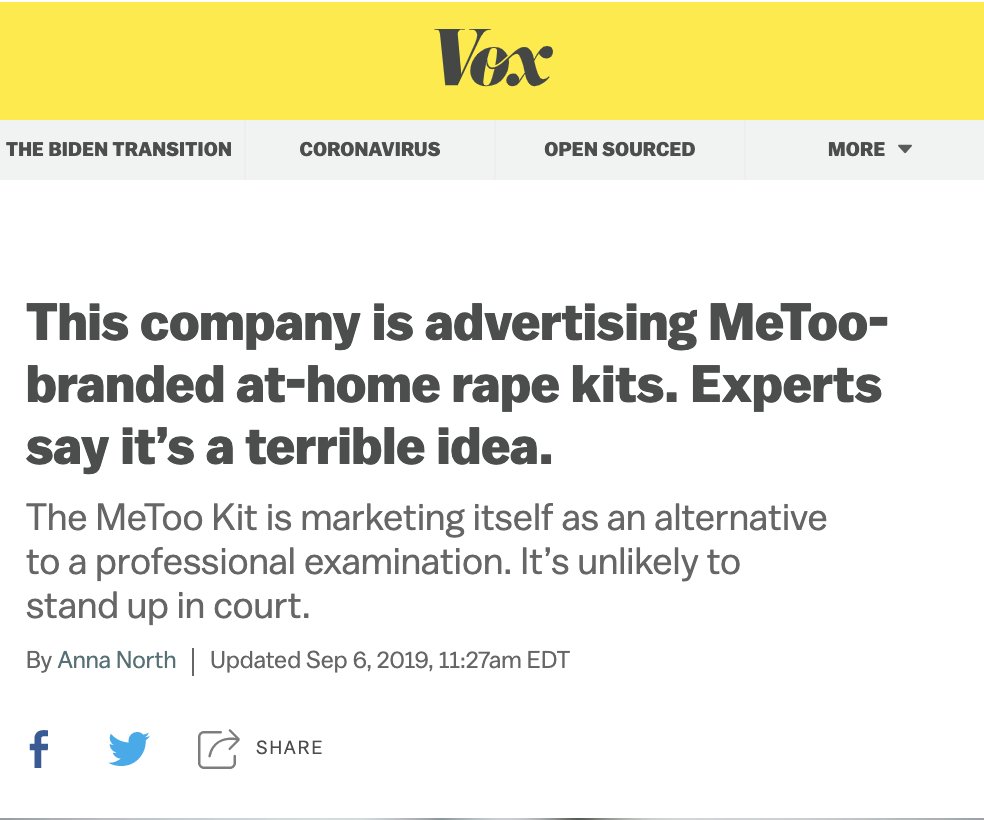
- Minnesota Coalition Against Sexual Assault
- End Rape on Campus
- New York City Alliance Against Sexual Assault
- The Aurora Center (my old org)
- National Alliance to End Sexual Violence
- HAVEN
- CAPPA
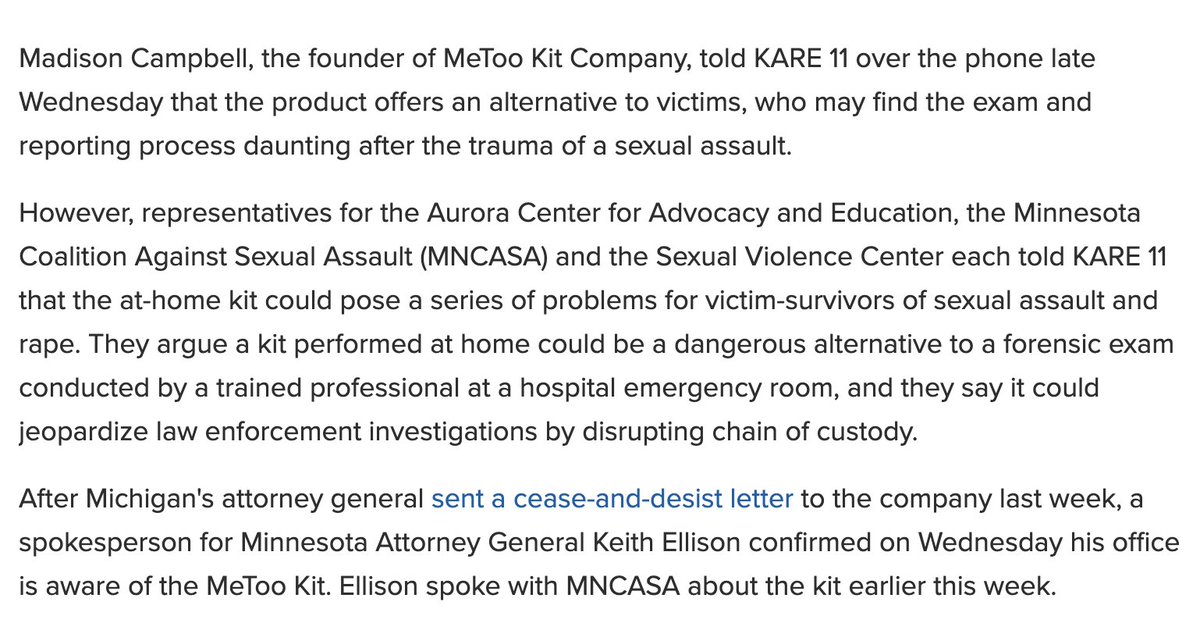
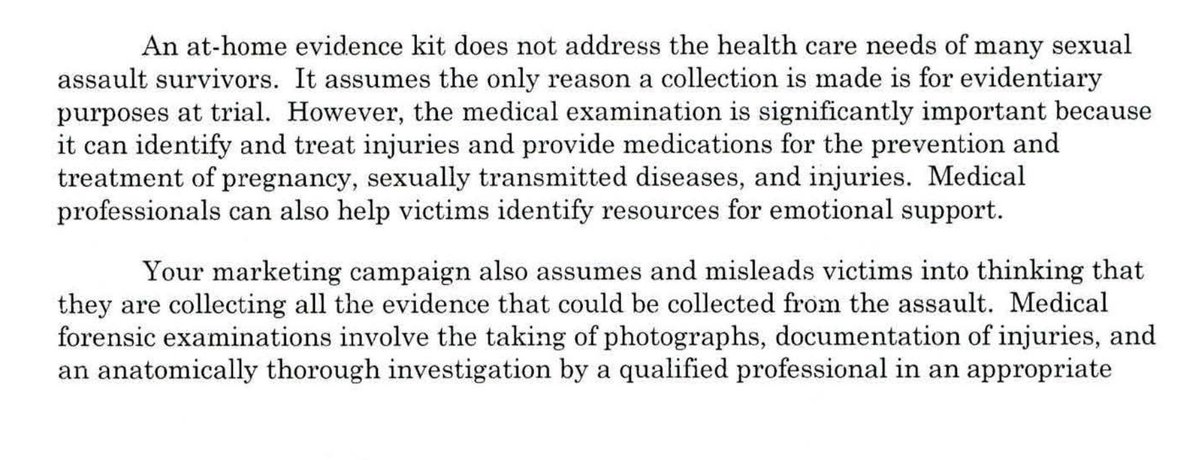
Michigan Attorney General Dana Nessel issued a cease-and-desist to MeToo Kits under the Michigan Consumer Protection Act--arguing that MeToo Kits "misleads victims."
https://t.co/EO0Xpcx1Q6
https://t.co/P6K9tmoBhU
https://t.co/5dFHnXoiJ5
https://t.co/IhQk5Ffw04
https://t.co/BJhHPp7d74
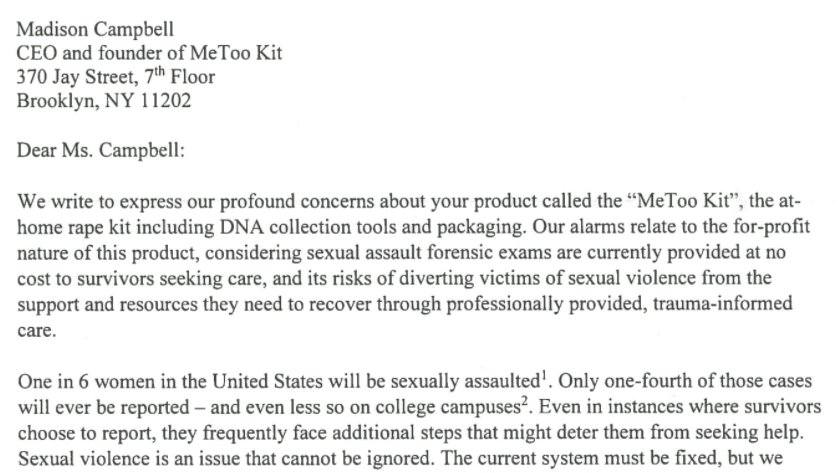
Congresswoman Sylvia Garcia and 15 colleagues sent a letter to Madison and MeToo Kits warning about the medical and legal issues of DIY rape kits.
https://t.co/TPC64uSmuD
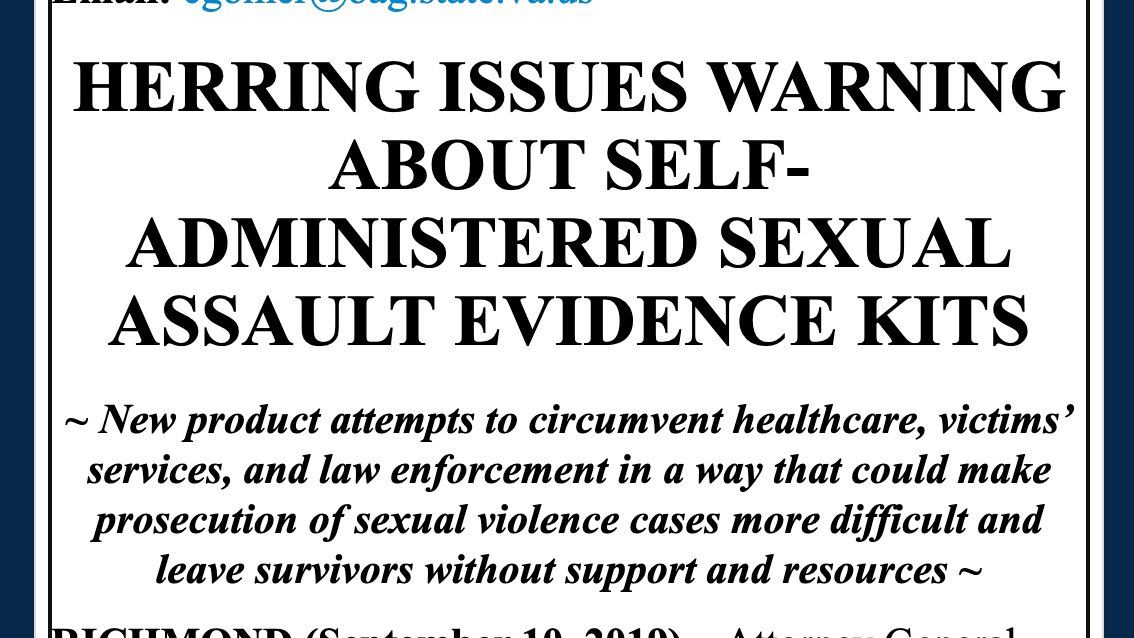
but as per the attorneys general and district attorneys, she doesn't have to.
The kits are misleading nonetheless.
Campbell rebranded "MeToo Kits" to "Leda Health" and started raising money.
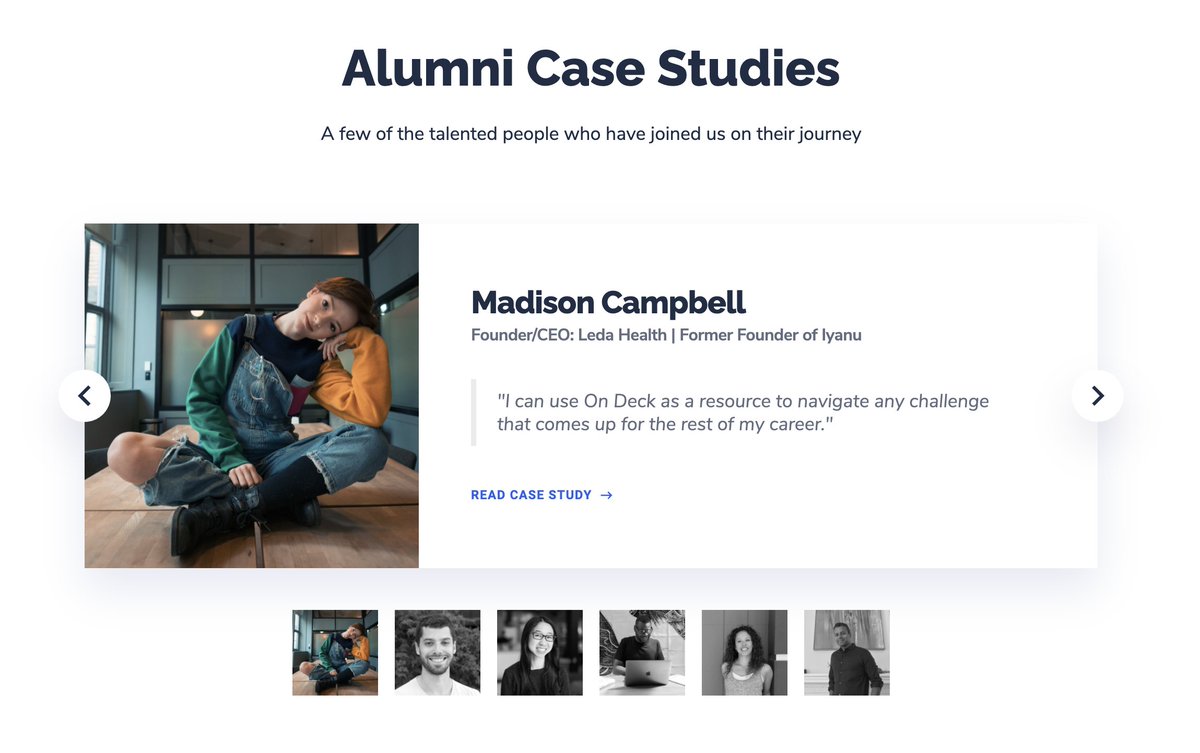
They just redesigned their website, and Campbell is a featured case study.
Later, Campbell insisted in an interview that the kits would be "encrypted and backed with blockchain technology."
as if that were the real problem.
https://t.co/3ZTVBDweA7
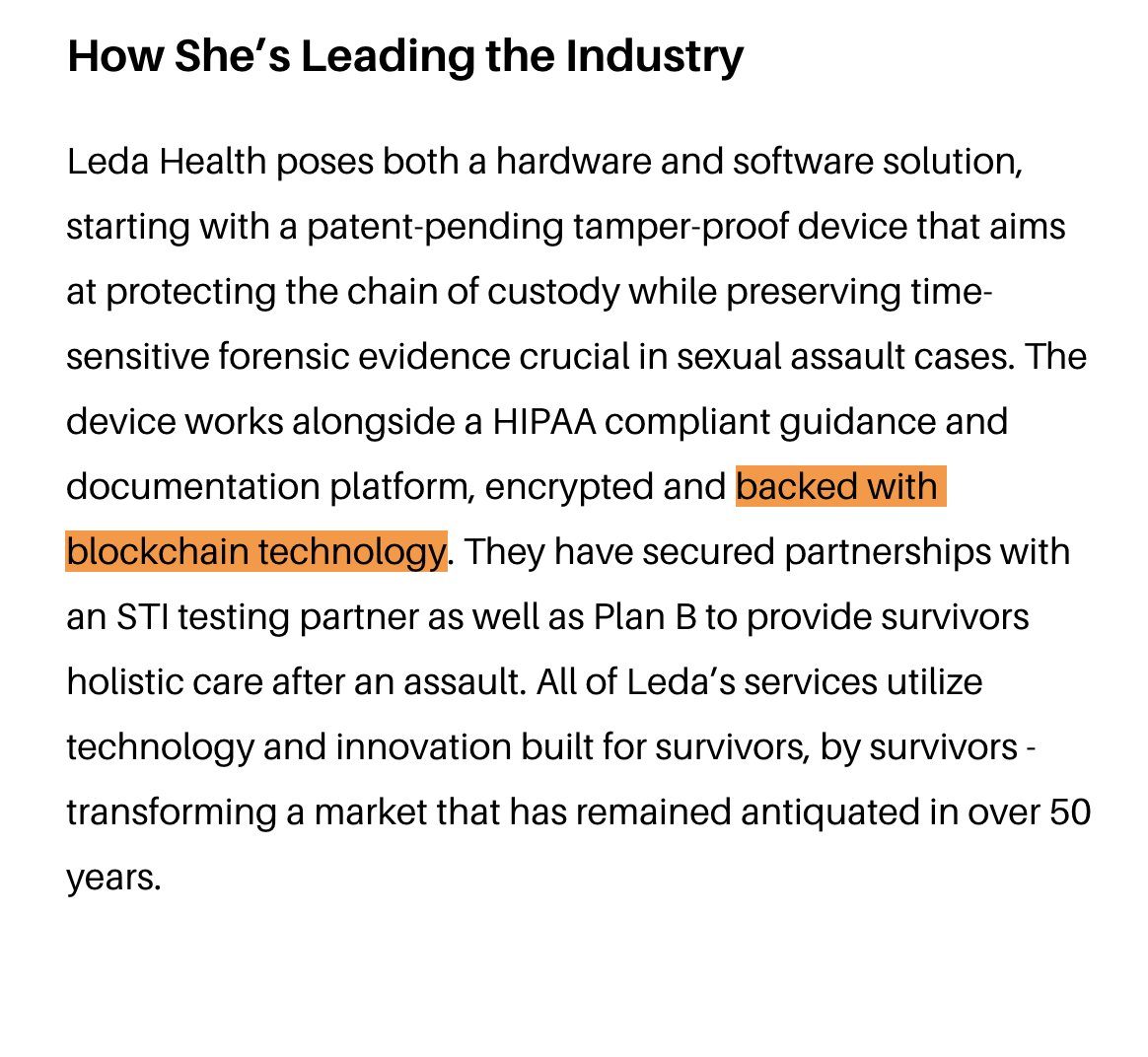
but they don't solve the chain of custody issue for biological evidence of a crime.
DIY kits or "the blockchain" will **NEVER** achieve this, and Campbell is being misleading about this to raise money.
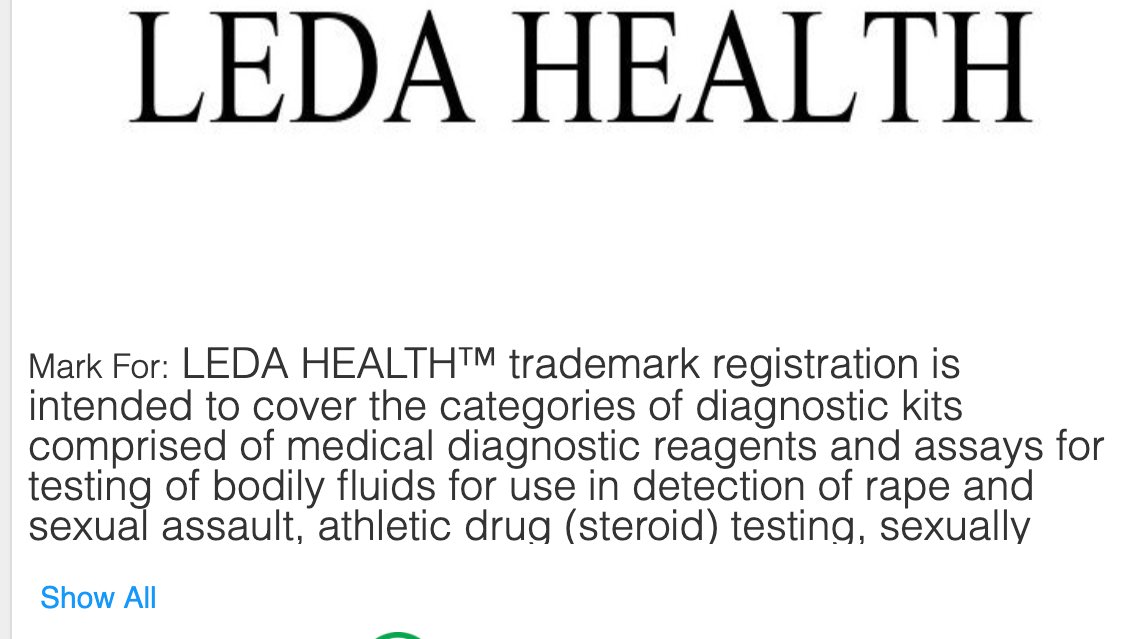
Last August, they applied for a USPTO trademark for marketing rape kits.
https://t.co/iJi2VqBZeq
#BuildInPublic
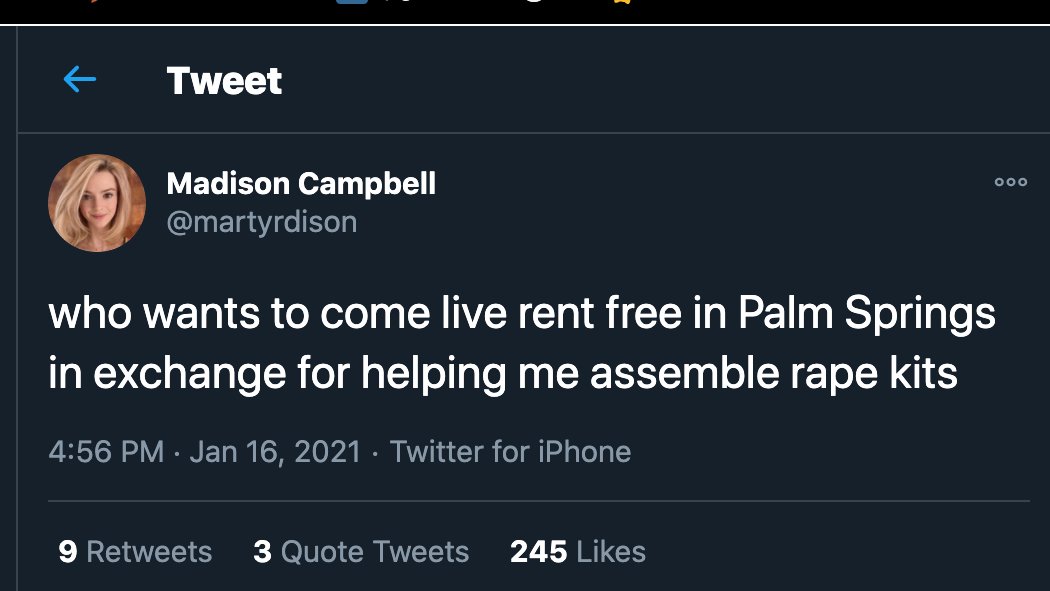
given Madison Campbell's commitment to selling inadmissible kits
even after being censured by law enforcement officials and members of Congress,
we can't trust her to not break the law in the future.
DIY kits or the goddamn "blockchain" are false flags. Their marketing misleads rape victims and is a danger to the justice system.
More from Trading








You May Also Like

Facebook originally a CIA program called "LifeLog".
LifeLog, via DARPA, terminated on Feb 4th, 2004.
Facebook was launched on Feb 4th, 2004.
Many of the LifeLog team became execs at FB.
Zuckerberg is a figurehead.
CIA allowed Cambridge to help Trump win
https://t.co/enzOXDCogV

Pentagon Kills LifeLog
LifeLog, via DARPA, terminated on Feb 4th, 2004.
Facebook was launched on Feb 4th, 2004.
Many of the LifeLog team became execs at FB.
Zuckerberg is a figurehead.
CIA allowed Cambridge to help Trump win
https://t.co/enzOXDCogV
Project: Lifelog
— Robert Horan (@Robby12692) December 13, 2018
Started by DARPA in 1999, the goal of Lifelog was to create a database on civilians without their knowledge, and track everything they do.
The project "ended" on Feb 4th, 2004.
Facebook began the exact same day.
The CIA funneled tens of millions into Facebook. pic.twitter.com/r7hwF0v9kh
Pentagon Kills LifeLog












@EricTopol @NBA @StephenKissler @yhgrad B.1.1.7 reveals clearly that SARS-CoV-2 is reverting to its original pre-outbreak condition, i.e. adapted to transgenic hACE2 mice (either Baric's BALB/c ones or others used at WIV labs during chimeric bat coronavirus experiments aimed at developing a pan betacoronavirus vaccine)
@NBA @StephenKissler @yhgrad 1. From Day 1, SARS-COV-2 was very well adapted to humans .....and transgenic hACE2 Mice
@NBA @StephenKissler @yhgrad 2. High Probability of serial passaging in Transgenic Mice expressing hACE2 in genesis of SARS-COV-2
@NBA @StephenKissler @yhgrad B.1.1.7 has an unusually large number of genetic changes, ... found to date in mouse-adapted SARS-CoV2 and is also seen in ferret infections.
https://t.co/9Z4oJmkcKj

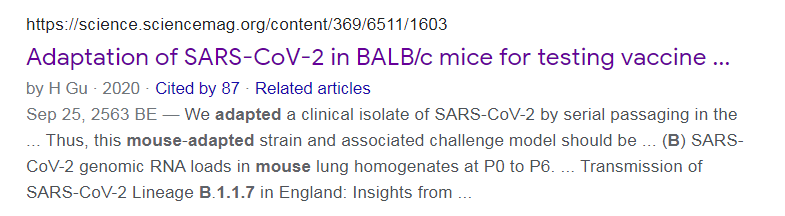
@NBA @StephenKissler @yhgrad We adapted a clinical isolate of SARS-CoV-2 by serial passaging in the ... Thus, this mouse-adapted strain and associated challenge model should be ... (B) SARS-CoV-2 genomic RNA loads in mouse lung homogenates at P0 to P6.
https://t.co/I90OOCJg7o
@NBA @StephenKissler @yhgrad 1. From Day 1, SARS-COV-2 was very well adapted to humans .....and transgenic hACE2 Mice
1. From Day 1, SARS-COV-2 was very well adapted to humans .....and transgenic hACE2 Mice
— Billy Bostickson \U0001f3f4\U0001f441&\U0001f441 \U0001f193 (@BillyBostickson) January 30, 2021
"we generated a mouse model expressing hACE2 by using CRISPR/Cas9 knockin technology. In comparison with wild-type C57BL/6 mice, both young & aged hACE2 mice sustained high viral loads... pic.twitter.com/j94XtSkscj
@NBA @StephenKissler @yhgrad 2. High Probability of serial passaging in Transgenic Mice expressing hACE2 in genesis of SARS-COV-2
1. High Probability of serial passaging in Transgenic Mice expressing hACE2 in genesis of SARS-COV-2!
— Billy Bostickson \U0001f3f4\U0001f441&\U0001f441 \U0001f193 (@BillyBostickson) January 2, 2021
2 papers:
Human\u2013viral molecular mimicryhttps://t.co/irfH0Zgrve
Molecular Mimicryhttps://t.co/yLQoUtfS6s https://t.co/lsCv2iMEQz
@NBA @StephenKissler @yhgrad B.1.1.7 has an unusually large number of genetic changes, ... found to date in mouse-adapted SARS-CoV2 and is also seen in ferret infections.
https://t.co/9Z4oJmkcKj
@NBA @StephenKissler @yhgrad We adapted a clinical isolate of SARS-CoV-2 by serial passaging in the ... Thus, this mouse-adapted strain and associated challenge model should be ... (B) SARS-CoV-2 genomic RNA loads in mouse lung homogenates at P0 to P6.
https://t.co/I90OOCJg7o
