

⚡️⚡️ BIG THREAD! ⚡️⚡️ - GMO4DUMMIES CONCLUSIONS
On web-archive: https://t.co/RGxGjJm5Jc or direct: bit. ly/2LRL8Wt [no spaces course]
The initial GMO4D is on webarchive too: https://t.co/CFAhGWPahB !
Also direct: bit. ly/35RyHAE [no spaces]


In other words the presumed EXTINCTION mean> ADE/PP.


https://t.co/TCgNzY9rmp
\U0001f60a GMO4DUMMIES is life again! \U0001f60a
— Adrian Mario (@AdrianM_Ogy) January 18, 2021
Updated, saved on Wayback and zipped 4 download [fullversion]! Check with no spaces> bit. ly/35RyHAE or tinyurl. com/GMO4D333 pic.twitter.com/nfansGW4fj
More from Tech

A common misunderstanding about Agile and “Big Design Up Front”:
There’s nothing in the Agile Manifesto or Principles that states you should never have any idea what you’re trying to build.
You’re allowed to think about a desired outcome from the beginning.
It’s not Big Design Up Front if you do in-depth research to understand the user’s problem.
It’s not BDUF if you spend detailed time learning who needs this thing and why they need it.
It’s not BDUF if you help every team member know what success looks like.
Agile is about reducing risk.
It’s not Agile if you increase risk by starting your sprints with complete ignorance.
It’s not Agile if you don’t research.
Don’t make the mistake of shutting down critical understanding by labeling it Bg Design Up Front.
It would be a mistake to assume this research should only be done by designers and researchers.
Product management and developers also need to be out with the team, conducting the research.
Shared Understanding is the key objective
Big Design Up Front is a thing to avoid.
Defining all the functionality before coding is BDUF.
Drawing every screen and every pixel is BDUF.
Promising functionality (or delivery dates) to customers before development starts is BDUF.
These things shouldn’t happen in Agile.
There’s nothing in the Agile Manifesto or Principles that states you should never have any idea what you’re trying to build.
You’re allowed to think about a desired outcome from the beginning.
It’s not Big Design Up Front if you do in-depth research to understand the user’s problem.
It’s not BDUF if you spend detailed time learning who needs this thing and why they need it.
It’s not BDUF if you help every team member know what success looks like.
Agile is about reducing risk.
It’s not Agile if you increase risk by starting your sprints with complete ignorance.
It’s not Agile if you don’t research.
Don’t make the mistake of shutting down critical understanding by labeling it Bg Design Up Front.
It would be a mistake to assume this research should only be done by designers and researchers.
Product management and developers also need to be out with the team, conducting the research.
Shared Understanding is the key objective
I\u2019d recommend that the devs participate directly in the research.
— Jared Spool (@jmspool) November 18, 2018
If the devs go into the first sprint with a thorough understanding of the user\u2019s problems, they are far more likely to solve it well.
Big Design Up Front is a thing to avoid.
Defining all the functionality before coding is BDUF.
Drawing every screen and every pixel is BDUF.
Promising functionality (or delivery dates) to customers before development starts is BDUF.
These things shouldn’t happen in Agile.



Here is a simple example of a machine learning model.
I put it together a long time ago, and it was very helpful! I sliced it apart a thousand times until things started to make sense.
It's TensorFlow and Keras.
If you are starting out, this may be a good puzzle to solve.
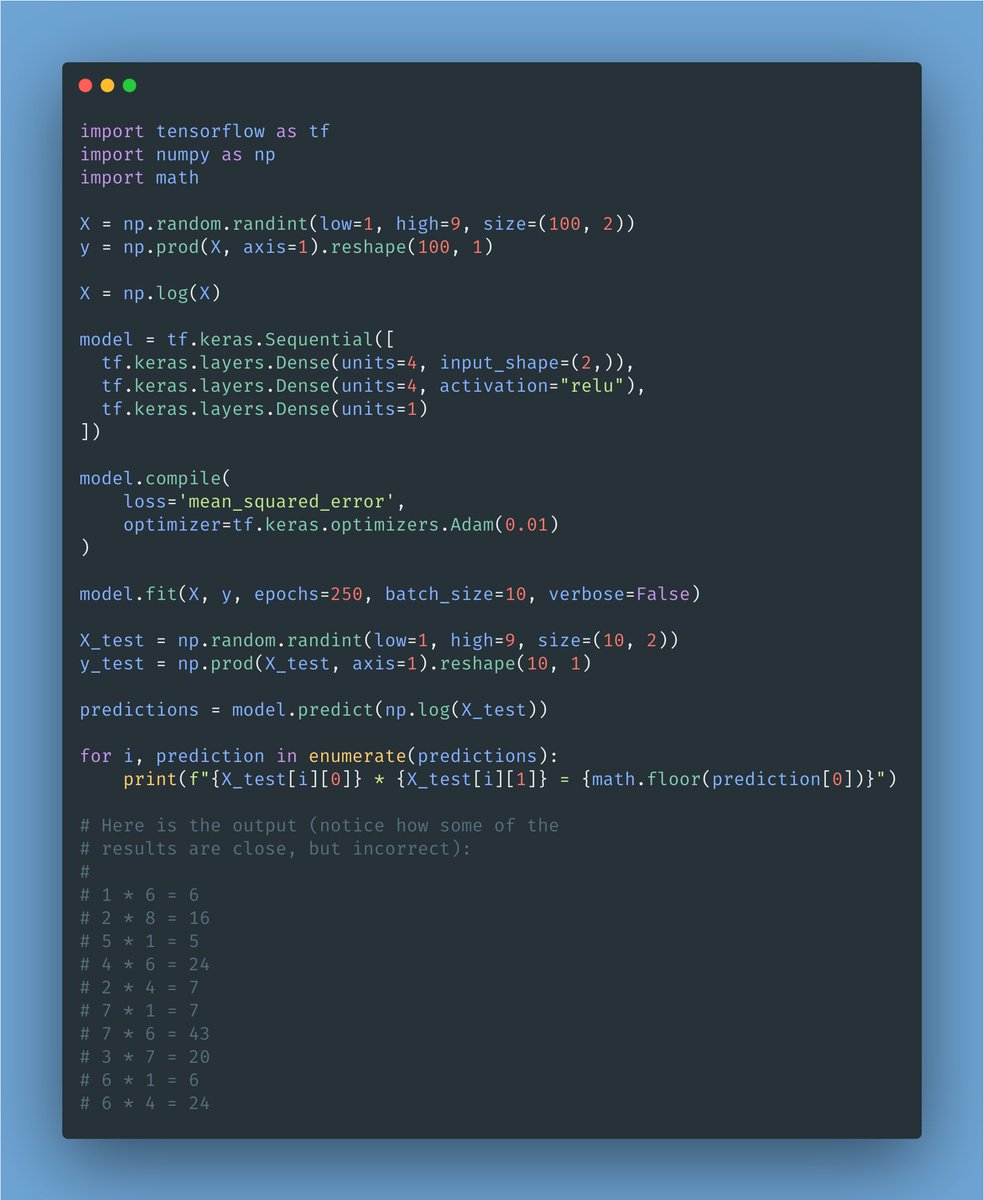
The goal of this model is to learn to multiply one-digit
I put it together a long time ago, and it was very helpful! I sliced it apart a thousand times until things started to make sense.
It's TensorFlow and Keras.
If you are starting out, this may be a good puzzle to solve.
The goal of this model is to learn to multiply one-digit
It is a good example of coding, what is the model?
— Freddy Rojas Cama (@freddyrojascama) February 1, 2021

Ok, I’ve told this story a few times, but maybe never here. Here we go. 🧵👇
I was about 6. I was in the car with my mother. We were driving a few hours from home to go to Orlando. My parents were letting me audition for a tv show. It would end up being my first job. I was very excited. But, in the meantime we drove and listened to Rush’s show.
There was some sort of trivia question they posed to the audience. I don’t remember what the riddle was, but I remember I knew the answer right away. It was phrased in this way that was somehow just simpler to see from a kid’s perspective. The answer was CAROUSEL. I was elated.
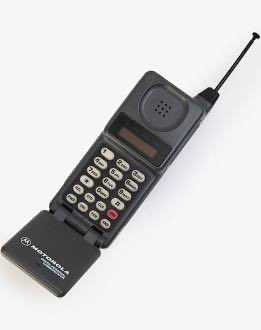
My mother was THRILLED. She insisted that we call Into the show using her “for emergencies only” giant cell phone. It was this phone:
I called in. The phone rang for a while, but someone answered. It was an impatient-sounding dude. The screener. I said I had the trivia answer. He wasn’t charmed, I could hear him rolling his eyes. He asked me what it was. I told him. “Please hold.”
Wish I had the audio of Rush Limbaugh telling me off on the phone on his show when I was six. In the meantime, RIP.
— Shannon Woodward (@shannonwoodward) February 17, 2021
I was about 6. I was in the car with my mother. We were driving a few hours from home to go to Orlando. My parents were letting me audition for a tv show. It would end up being my first job. I was very excited. But, in the meantime we drove and listened to Rush’s show.
There was some sort of trivia question they posed to the audience. I don’t remember what the riddle was, but I remember I knew the answer right away. It was phrased in this way that was somehow just simpler to see from a kid’s perspective. The answer was CAROUSEL. I was elated.
My mother was THRILLED. She insisted that we call Into the show using her “for emergencies only” giant cell phone. It was this phone:
I called in. The phone rang for a while, but someone answered. It was an impatient-sounding dude. The screener. I said I had the trivia answer. He wasn’t charmed, I could hear him rolling his eyes. He asked me what it was. I told him. “Please hold.”
You May Also Like







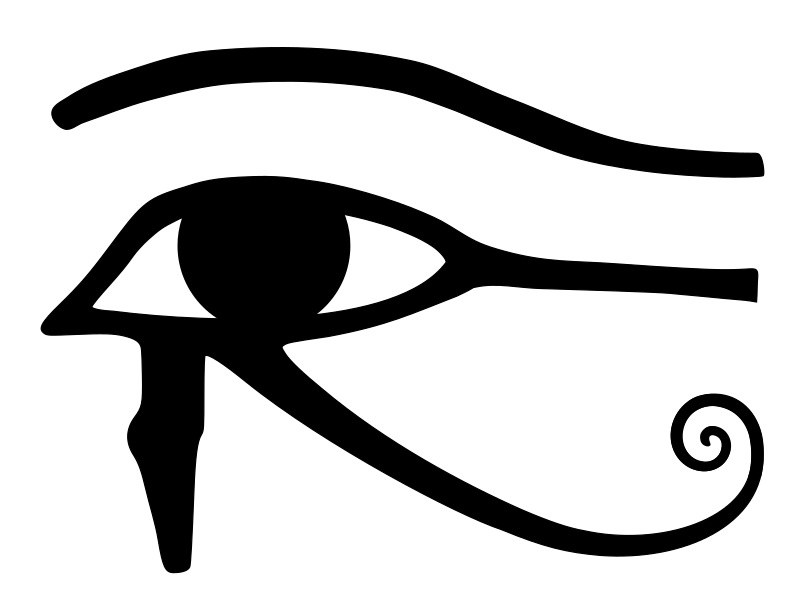
The Eye of Horus. 1/*
I believe that @ripple_crippler and @looP_rM311_7211 are the same person. I know, nobody believes that. 2/*
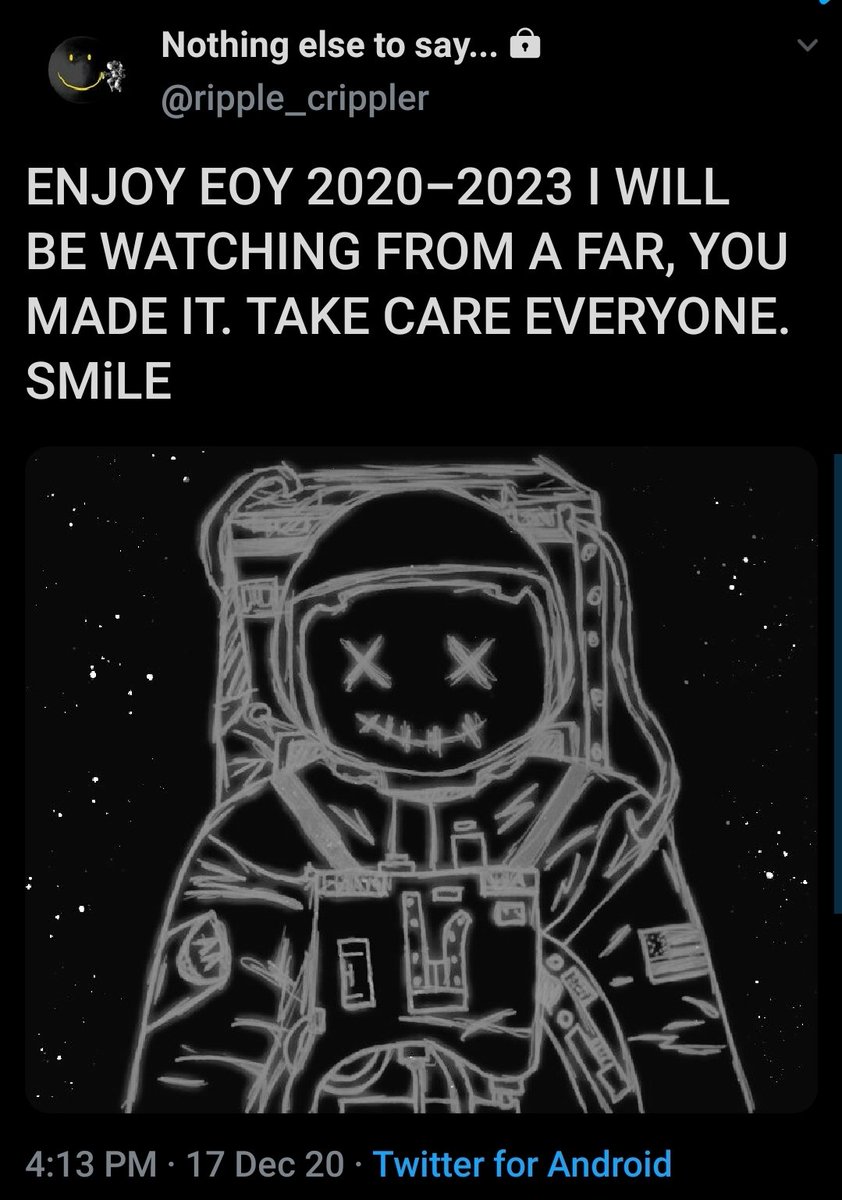
Today I want to prove that Mr Pool smile faces mean XRP and price increase. In Ripple_Crippler, previous to Mr Pool existence, smile faces were frequent. They were very similar to the ones Mr Pool posts. The eyes also were usually a couple of "x", in fact, XRP logo. 3/*

The smile XRP-eyed face also appears related to the Moon. XRP going to the Moon. 4/*
And smile XRP-eyed faces also appear related to Egypt. In particular, to the Eye of Horus. https://t.co/i4rRzuQ0gZ 5/*

I believe that @ripple_crippler and @looP_rM311_7211 are the same person. I know, nobody believes that. 2/*
Today I want to prove that Mr Pool smile faces mean XRP and price increase. In Ripple_Crippler, previous to Mr Pool existence, smile faces were frequent. They were very similar to the ones Mr Pool posts. The eyes also were usually a couple of "x", in fact, XRP logo. 3/*
The smile XRP-eyed face also appears related to the Moon. XRP going to the Moon. 4/*
And smile XRP-eyed faces also appear related to Egypt. In particular, to the Eye of Horus. https://t.co/i4rRzuQ0gZ 5/*

