The History of Remote Work

A look back before we zoom too far into the future...🚀

#FutureOfWork #WorkforceFuturist

Thread (1/10)
https://t.co/4SxOJDx8HG

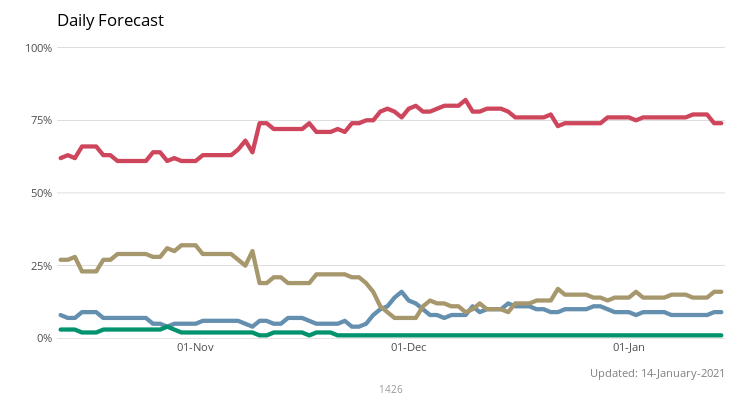
What % of working adults in the UK will 'work from home exclusively' in July 2021?

About 75% of this group of #superforecasters say more than 10% but less than 20% (the red line in the graph below)

@superforecaster

Thread (2/10)
https://t.co/3fhFR1lXFy
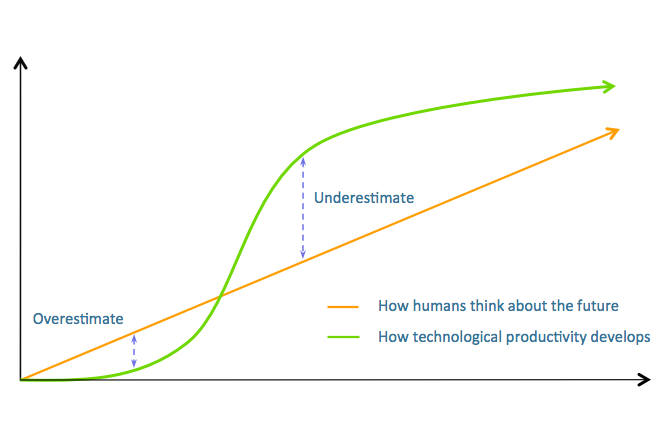
“We tend to overestimate the effect of the technology in the short run and underestimate for the long run”
Roy Amara

Our predictions tend to be made through foggy Zoom goggles and constrained by the Gregorian calendar.

Thread (3/10)
Remote Work Isn’t New

In Britain from the 1600s to the mid-19th century work did not take place in factories but in people’s houses.

Workers made dresses, shoes, and matchboxes in their kitchens or bedrooms.

Thread (4/10)
https://t.co/1A52zT4kiP
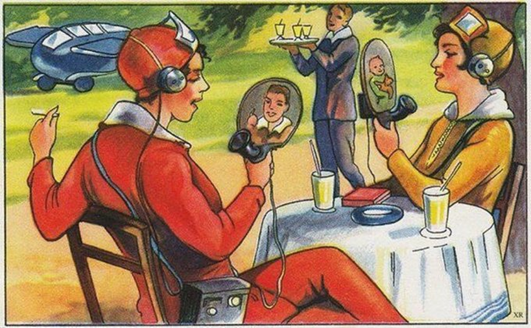
Some predictions from people in 1921 who were asked

“what will happen in 2021?”

📺 streaming entertainment into our homes
🚗 electricity powers our wheels
📚 books will read to us

Thread (5/10)
https://t.co/JYY5fXcBTT
No Meetings, No Deadlines, No Full-Time Employees

From the history of remote work, to a future of work scenario for some.

from @shl at @gumroad

No Sweat...

Thread (6/10)
https://t.co/KicHWzHGaj
The Blockchain Workforce is coming

From a blockchain version of Upwork

to freelancer platforms paying #crypto @LaborXNews

Thread (7/10)
https://t.co/szlj5tJJ3Z
How do we manage our workforce?

From improving innovation in virtual teams using network analysis to better sales productivity.

Best People Analytics Resources of 2020 from @david_green_uk

Thread (8/10)
https://t.co/gx546FSHwO
'Scribe Spotlight' in this newsletter is on @Vitolae

Recommended reading for Workforce Futurists

"The future of work, with a feminist perspective"

Thread (9/10)
https://t.co/ScbCIXV5Vg
Please subscribe, share and contribute to the

Workforce Futurist Newsletter

for regular essays, update articles (like this)

on #Orgdev, technology, #HR, #HRTech, demographics and more…

Thread (10/10)
https://t.co/774xNODMBz
@thereaderapp my dear, loyal and reliable friend, please unroll Many thanks!
@threadreaderapp how could I mistake you for someone else! please unroll Merci!

More from Tech

"I really want to break into Product Management"

make products.

"If only someone would tell me how I can get a startup to notice me."

Make Products.

"I guess it's impossible and I'll never break into the industry."

MAKE PRODUCTS.

Courtesy of @edbrisson's wonderful thread on breaking into comics –
https://t.co/TgNblNSCBj – here is why the same applies to Product Management, too.


There is no better way of learning the craft of product, or proving your potential to employers, than just doing it.

You do not need anybody's permission. We don't have diplomas, nor doctorates. We can barely agree on a single standard of what a Product Manager is supposed to do.

But – there is at least one blindingly obvious industry consensus – a Product Manager makes Products.

And they don't need to be kept at the exact right temperature, given endless resource, or carefully protected in order to do this.

They find their own way.

You May Also Like

"I lied about my basic beliefs in order to keep a prestigious job. Now that it will be zero-cost to me, I have a few things to say."


We know that elite institutions like the one Flier was in (partial) charge of rely on irrelevant status markers like private school education, whiteness, legacy, and ability to charm an old white guy at an interview.

Harvard's discriminatory policies are becoming increasingly well known, across the political spectrum (see, e.g., the recent lawsuit on discrimination against East Asian applications.)

It's refreshing to hear a senior administrator admits to personally opposing policies that attempt to remedy these basic flaws. These are flaws that harm his institution's ability to do cutting-edge research and to serve the public.

Harvard is being eclipsed by institutions that have different ideas about how to run a 21st Century institution. Stanford, for one; the UC system; the "public Ivys".