
He's ignoring everything, essentially. In the short-term, we're already seeing delays at the ports, which has a very basic impact on getting stuff into distribution centres in the first place. Every DC has a limited number of loading bays for in & outbound ...
More from Society

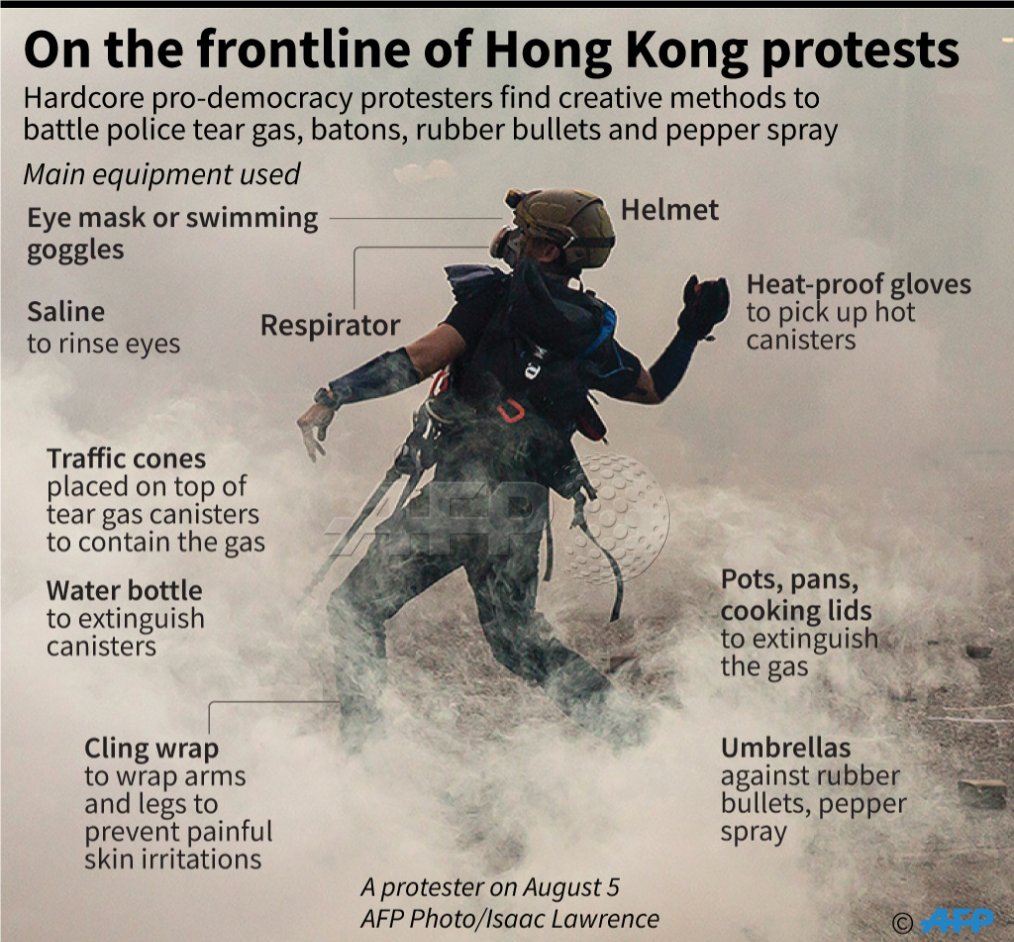
Hong Kong protester equipment list:
- respirator (dubbed "pig snouts" in Cantonese)
- helmet
- eye mask
- heat-proof gloves
- water bottle
- cling wrap
- saline
- traffic cones
- pots and pans
Demonstrators find creative methods to battle police tear gas
https://t.co/kPeUTu9iFh
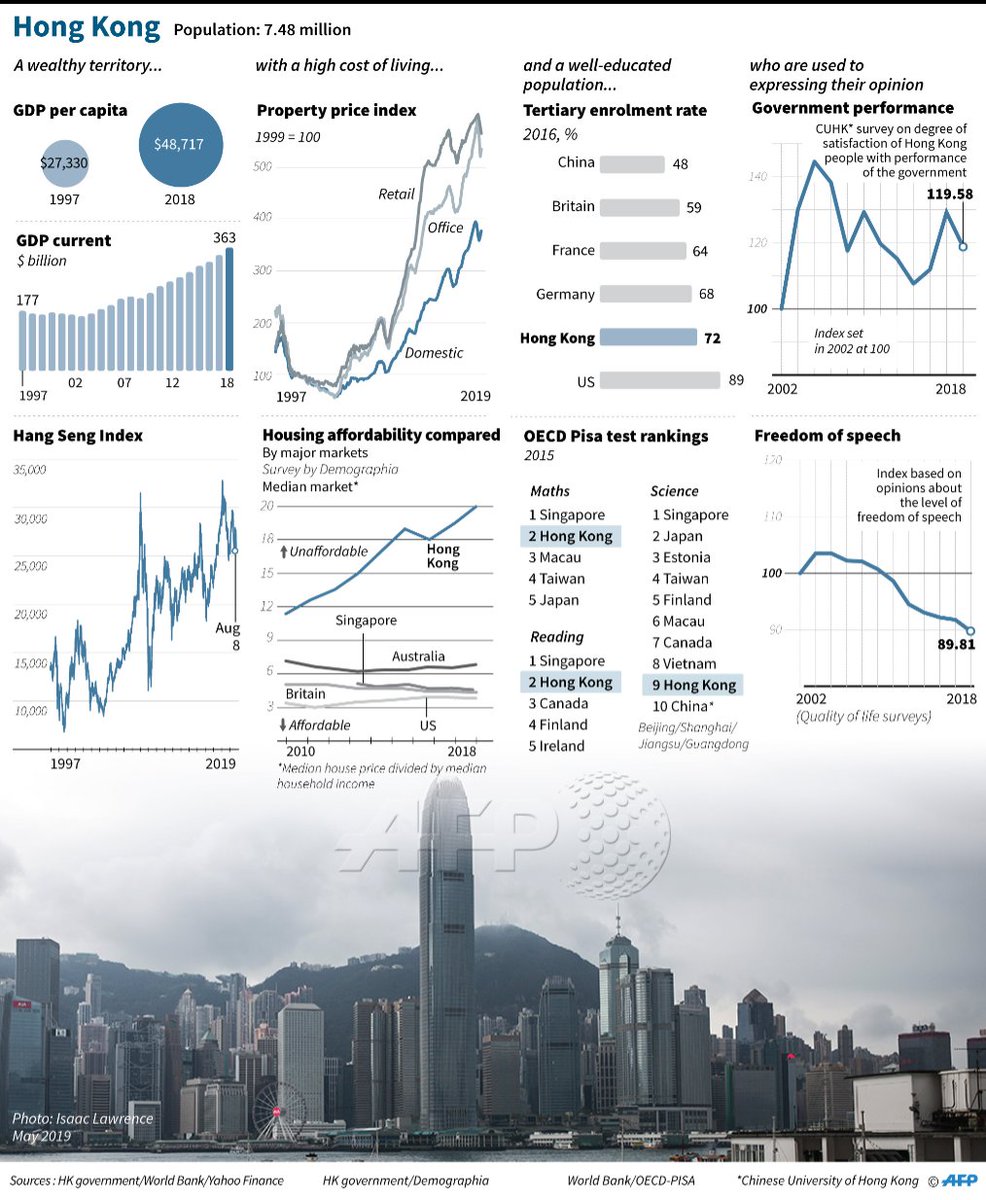
AFP graphic charting Hong Kong's main socio-economic indicators and opinion polls on press freedom and government performance
@AFPgraphics
AFP graphic showing the main equipment used by hardcore pro-democracy protesters in Hong Kong to battle police tear gas, pepper spray and rubber bullets
@AFPgraphics
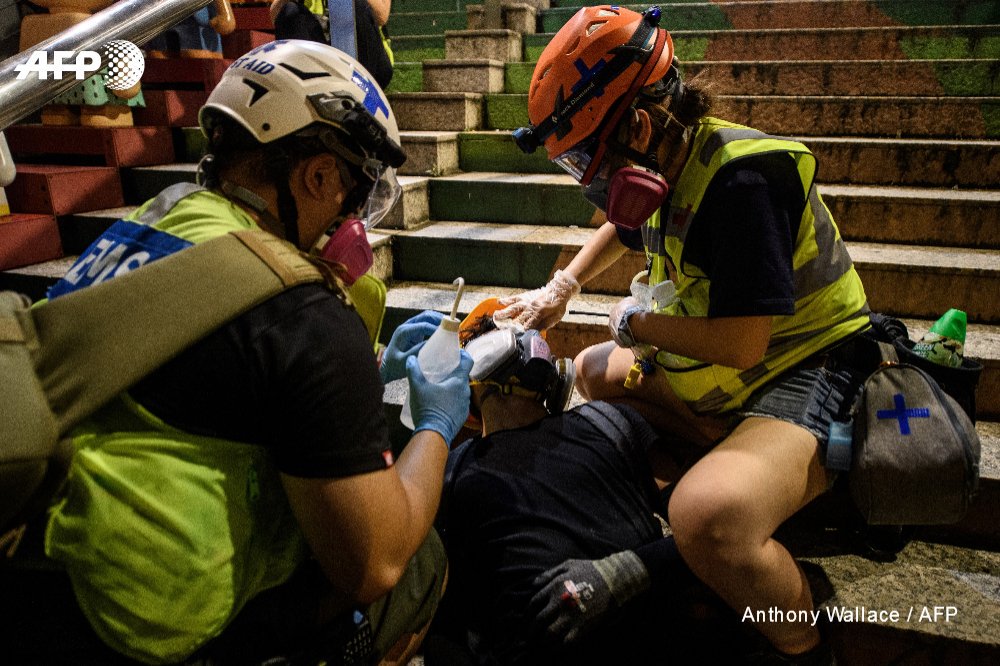
Frontline first aid.
Nurses, doctors, medical students and ordinary citizens with first aid training have clamoured to join a small volunteer corps helping treat people involved in the Hong Kong protests
@AFP's Yan Zhao reports: https://t.co/uDfYkMeZJf
📸 Anthony Wallace
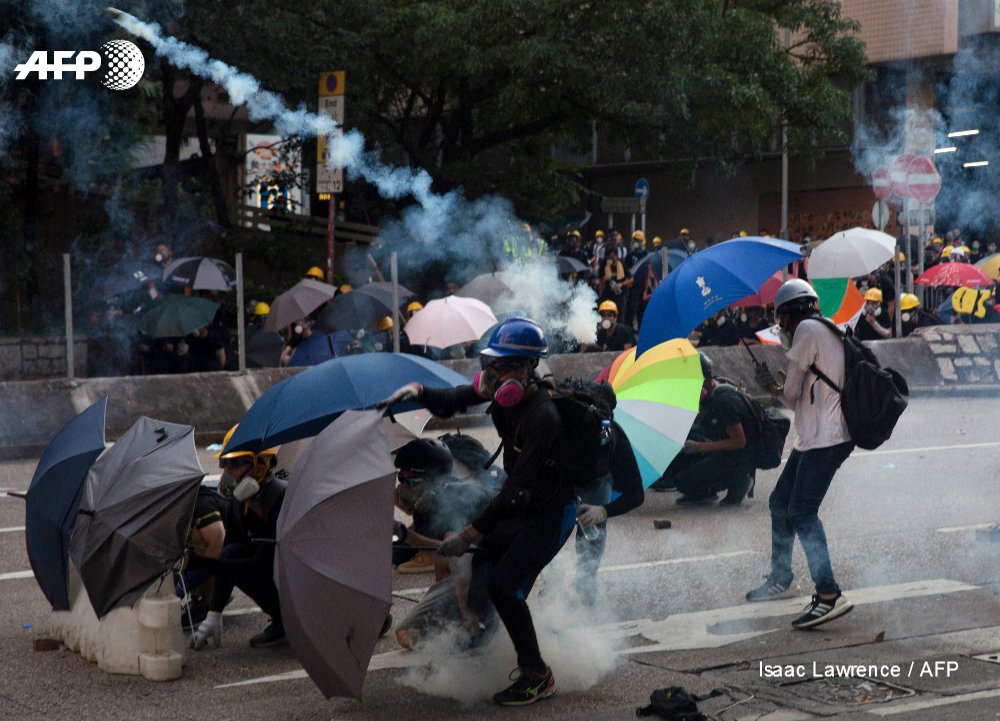
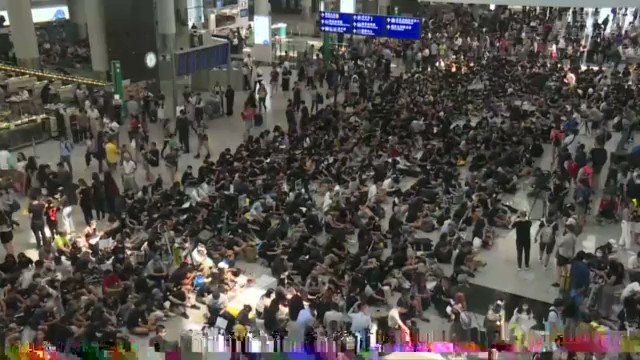
Pro-democracy activists kick off three days of rallies at Hong Kong airport.
Protesters hope to win international support from arriving passengers. The last demonstration at the airport on July 26 passed off peacefully without causing flight disruptions
https://t.co/jmVqtEd4M2
- respirator (dubbed "pig snouts" in Cantonese)
- helmet
- eye mask
- heat-proof gloves
- water bottle
- cling wrap
- saline
- traffic cones
- pots and pans
Demonstrators find creative methods to battle police tear gas
https://t.co/kPeUTu9iFh
AFP graphic charting Hong Kong's main socio-economic indicators and opinion polls on press freedom and government performance
@AFPgraphics
AFP graphic showing the main equipment used by hardcore pro-democracy protesters in Hong Kong to battle police tear gas, pepper spray and rubber bullets
@AFPgraphics
Frontline first aid.
Nurses, doctors, medical students and ordinary citizens with first aid training have clamoured to join a small volunteer corps helping treat people involved in the Hong Kong protests
@AFP's Yan Zhao reports: https://t.co/uDfYkMeZJf
📸 Anthony Wallace
Pro-democracy activists kick off three days of rallies at Hong Kong airport.
Protesters hope to win international support from arriving passengers. The last demonstration at the airport on July 26 passed off peacefully without causing flight disruptions
https://t.co/jmVqtEd4M2












![Peter McCormack [Jan/3\u279e\u20bf \U0001f511\u220e]](https://pbs.twimg.com/profile_images/1524287442307723265/_59ITDbJ_normal.jpg)


