Satavahana dynasty ruled over peninsular India for around 460 yrs from 230 BCE to 236 CE and remained one of the most illustrious & powerful empires of ancient India. Puranas mention Simuka as the founder of Satavahana dynasty who rose to power soon after death of emperor Ashoka.


In later period when the empire extended eastwards till the Krishna-Godavari deltas, their capital also shifted & hence started to be called Andhras.

1) The History and Inscriptions of The Satavahanas and The Western Kshatrapas by V.V. Mirashi.
2)Early History Of Andhra Country.
Nasik cave inscription of King Pulumavi Vashistiputra proving the Satavahanas were Brahmanas by caste.
— A\u015bhwapati (@kirron909) June 2, 2021
Source: Epigraphia Indica Vol-08. https://t.co/IzOD1FBTKG https://t.co/TXaLbazZ58 pic.twitter.com/75wtgQtOdF
You May Also Like







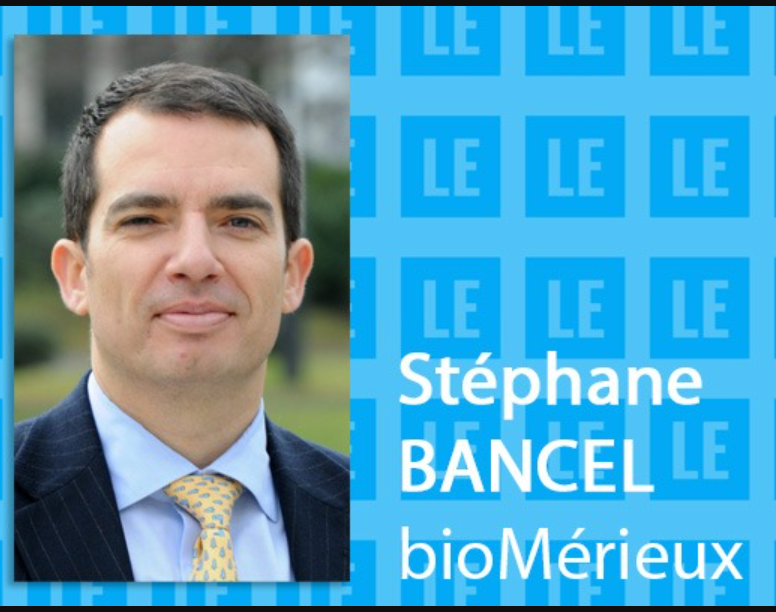
Moderna CEO Stephane Bancel was previously CEO of bioMerieux in France from 07-10.
Alain Merieux, who owns bioMerieux, was instrumental in the creation of the Wuhan Institute of Virology P4 Lab.
The same people who helped create the virus, also helped to create the vaccines...
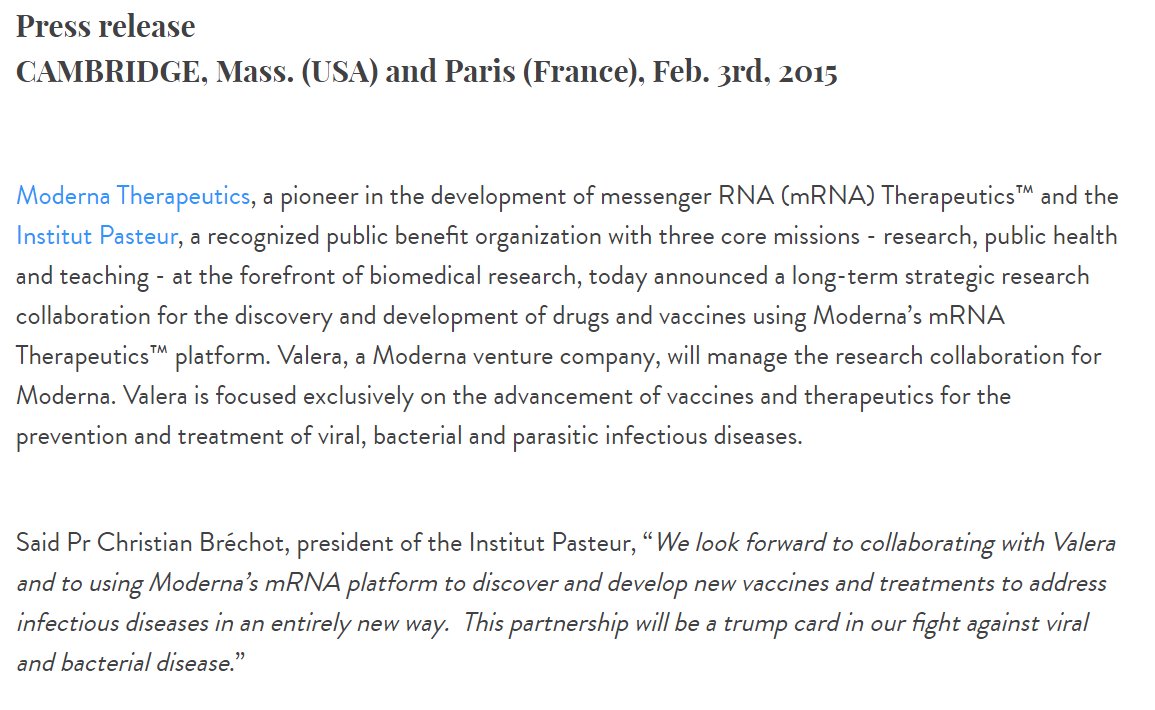
Moderna partnered with French Pasteur Institute in 2015 to develop mRNA vaccine technology.
Pasteur Institute partnered with the Wuhan P4 Laboratory in 2017 along with the Merieux Foundation to study emerging viruses...
https://t.co/yFsHwrNYaK
https://t.co/9M5lydBKhM
Nobel prize winning scientist Luc Montagnier asserts that Sars-Cov-2 is man-made and originated from the Wuhan Institute of Virology.
Montagnier did extensive work with the Pasteur Institute in France which was partnered with the Wuhan P4.
Merieux Foundation & the Chinese government have worked together since 1965, and partnered to study emerging pathogens in Africa in 2015.
Their research included "PATHOGENS CARRIED BY BATS" that provoke respiratory diseases.
🚨🚨🚨
https://t.co/gVwpT0ssqI

Alain Merieux, who owns bioMerieux, was instrumental in the creation of the Wuhan Institute of Virology P4 Lab.
The same people who helped create the virus, also helped to create the vaccines...
Moderna partnered with French Pasteur Institute in 2015 to develop mRNA vaccine technology.
Pasteur Institute partnered with the Wuhan P4 Laboratory in 2017 along with the Merieux Foundation to study emerging viruses...
https://t.co/yFsHwrNYaK
https://t.co/9M5lydBKhM
Nobel prize winning scientist Luc Montagnier asserts that Sars-Cov-2 is man-made and originated from the Wuhan Institute of Virology.
Montagnier did extensive work with the Pasteur Institute in France which was partnered with the Wuhan P4.
Merieux Foundation & the Chinese government have worked together since 1965, and partnered to study emerging pathogens in Africa in 2015.
Their research included "PATHOGENS CARRIED BY BATS" that provoke respiratory diseases.
🚨🚨🚨
https://t.co/gVwpT0ssqI