
Leadership matters a great deal for motivating collective action.
I see a lot of fantastic discussions, papers, threads, and op-eds about the insurrection from experts from various fields.
As a social scientist, I want to add that it's important to understand that collective action like we saw yesterday is due to *many* factors.
Leadership matters a great deal for motivating collective action.
This came to head with the concerted efforts by GOP members of the Senate and House who tried to overturn the election certification.
This was primarily spearheaded on social media, which is why freezing Trump's social media accounts is such a big deal.
From Fox to OAN to Newsmax, these false messages were spread to millions of homes.
The people who stormed the Capitol came from racist and pro-fascist groups (like the Proud Boys) and proudly waived the Confederate flags during their attempted insurrection.
It's impossible to imagine police officers taking selfies with another group as they violently invaded government property.
This is bound up in sectarian politics, where extreme affective polarization leads people to see the election of their political opponent as a mortal (and immoral) threat.
Collective human behavior is complex and there is space for expertise on all of these angles since these (and other) factors likely all matter a great deal.
It's important to think more deeply about how they interact. In the real world, collective human action is never caused by a single factor.
Accept that these people do not all share the same assumptions, identities, backgrounds and goals. This makes it impossible to find a simple, single explanation for all of them.
More from Politics

THREAD
1)
@SidneyPowell1 reflects on #Iran’s meddling in the U.S. in a recent tweet to U.S. President Donald Trump.
This thread focuses on Iran’s dangerous influence in the U.S., especially through its DC-based lobby group
2)
Why is this important?
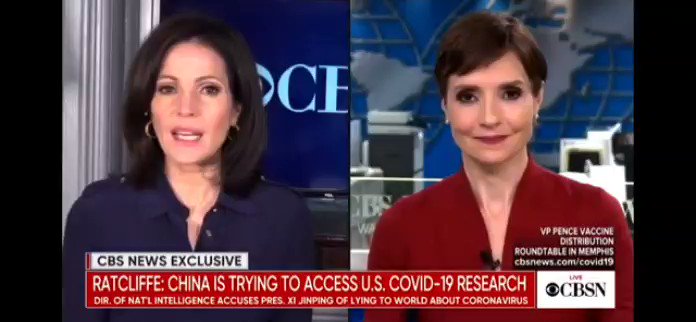
@DNI_Ratcliffe "told CBS News that there was foreign election interference by China, #Iran & Russia in November of this year [2020]."
All Americans should be informed about how Iran & its lobby group NIAC are meddling in the
3)
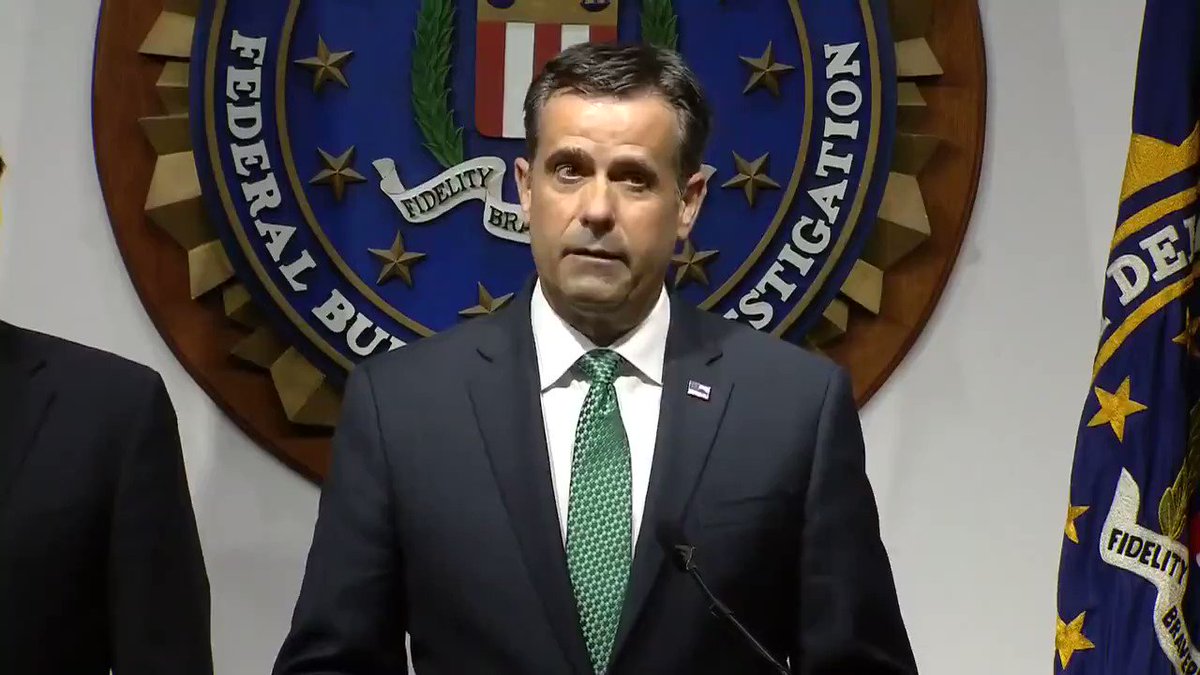
#Iran has been increasingly aiming to interfere in U.S. elections specifically through NIAC.
DNI John Ratcliffe had previously shed light on this vital
4)
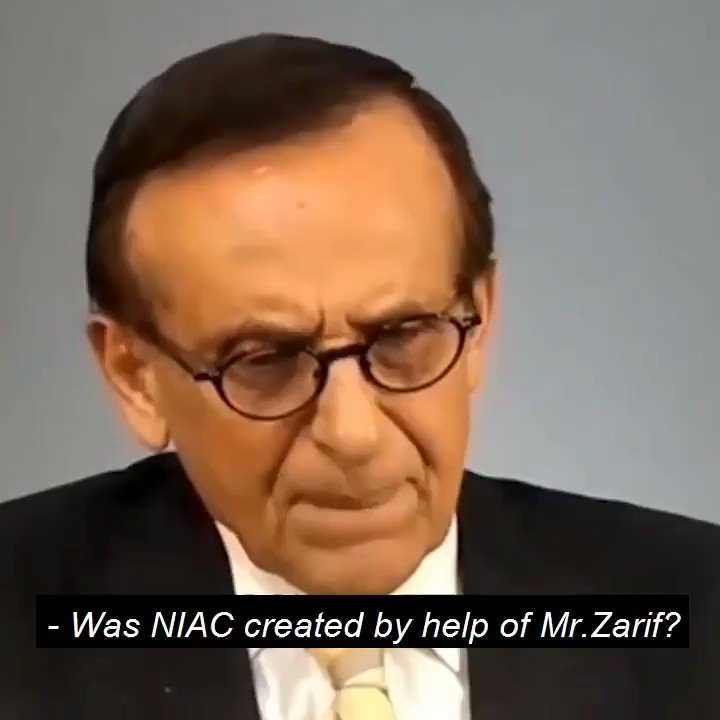
NIAC is a lobby group in the U.S. pushing Iran’s talking points.
Listen to this Iranian regime insider explain that NIAC was established by @JZarif, the foreign minister of
5)
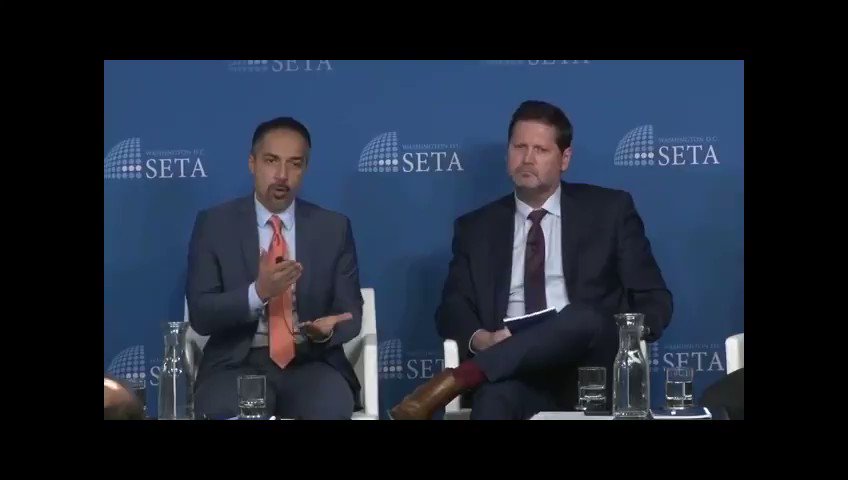
@tparsi is the official founder of NIAC in the U.S.
Listen to how Trita Parsi parrots Zarif’s talking
1)
@SidneyPowell1 reflects on #Iran’s meddling in the U.S. in a recent tweet to U.S. President Donald Trump.
This thread focuses on Iran’s dangerous influence in the U.S., especially through its DC-based lobby group
Dear @realDonaldTrump
— Sidney Powell \U0001f1fa\U0001f1f8\u2b50\u2b50\u2b50 (@SidneyPowell1) December 23, 2020
#China and #Iran stole this election from the #American people
who voted for you in a world-record landslide!
We must expose all the corruption and restore the Republic now
There will never be a free and fair election if we don\u2019t end the rigging now \U0001f1fa\U0001f1f8 pic.twitter.com/2t707xN0ar
2)
Why is this important?
@DNI_Ratcliffe "told CBS News that there was foreign election interference by China, #Iran & Russia in November of this year [2020]."
All Americans should be informed about how Iran & its lobby group NIAC are meddling in the
3)
#Iran has been increasingly aiming to interfere in U.S. elections specifically through NIAC.
DNI John Ratcliffe had previously shed light on this vital
4)
NIAC is a lobby group in the U.S. pushing Iran’s talking points.
Listen to this Iranian regime insider explain that NIAC was established by @JZarif, the foreign minister of
5)
@tparsi is the official founder of NIAC in the U.S.
Listen to how Trita Parsi parrots Zarif’s talking


You May Also Like





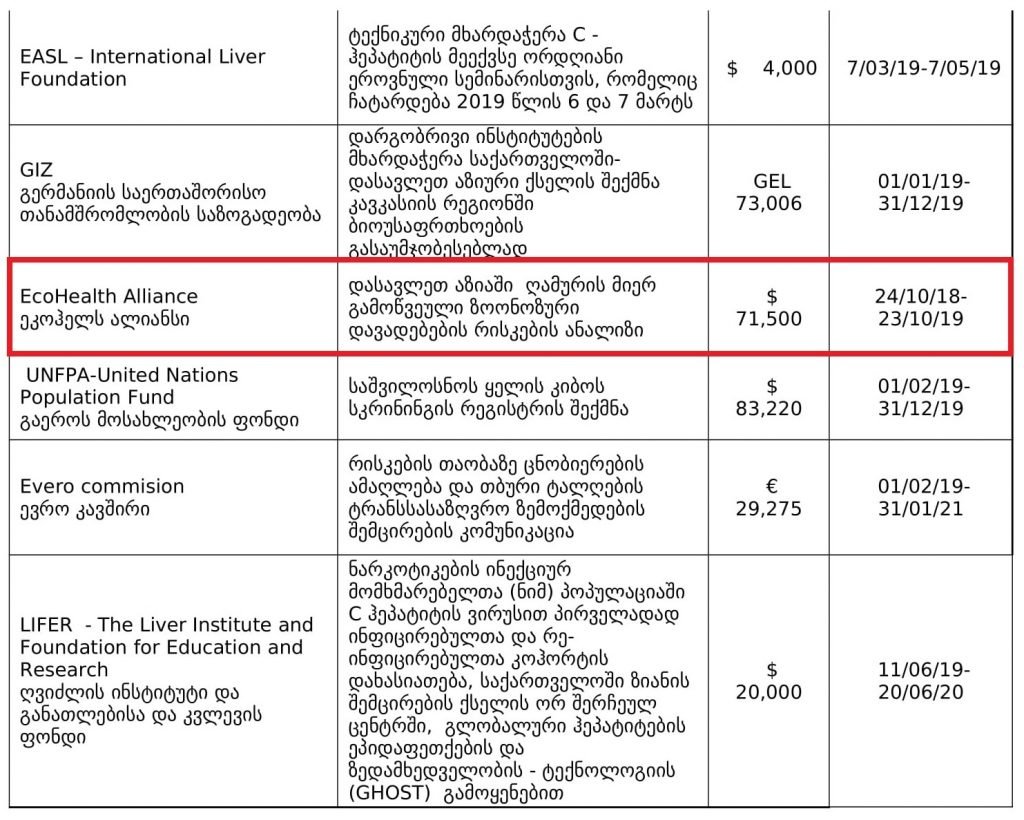
1. Project 1742 (EcoHealth/DTRA)
Risks of bat-borne zoonotic diseases in Western Asia
Duration: 24/10/2018-23 /10/2019
Funding: $71,500
@dgaytandzhieva
https://t.co/680CdD8uug
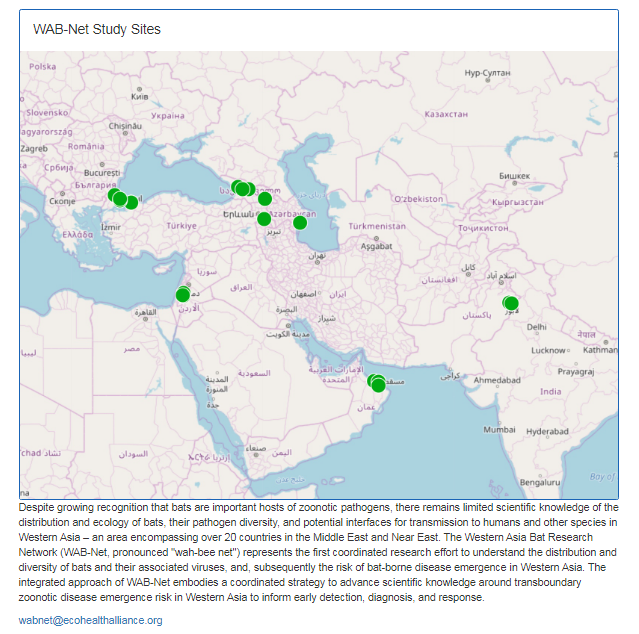
2. Bat Virus Database
Access to the database is limited only to those scientists participating in our ‘Bats and Coronaviruses’ project
Our intention is to eventually open up this database to the larger scientific community
https://t.co/mPn7b9HM48
3. EcoHealth Alliance & DTRA Asking for Trouble
One Health research project focused on characterizing bat diversity, bat coronavirus diversity and the risk of bat-borne zoonotic disease emergence in the region.
https://t.co/u6aUeWBGEN
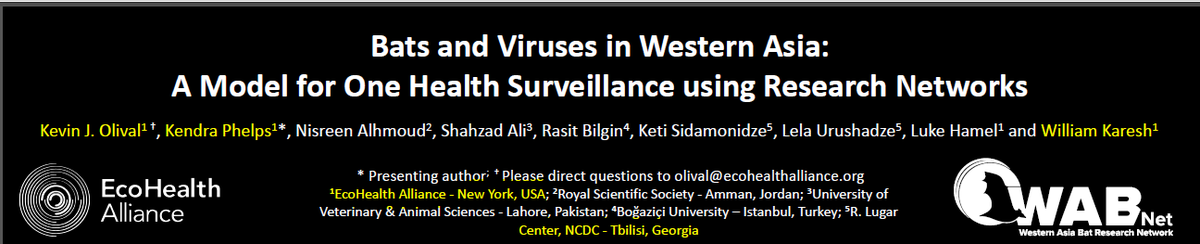
4. Phelps, Olival, Epstein, Karesh - EcoHealth/DTRA
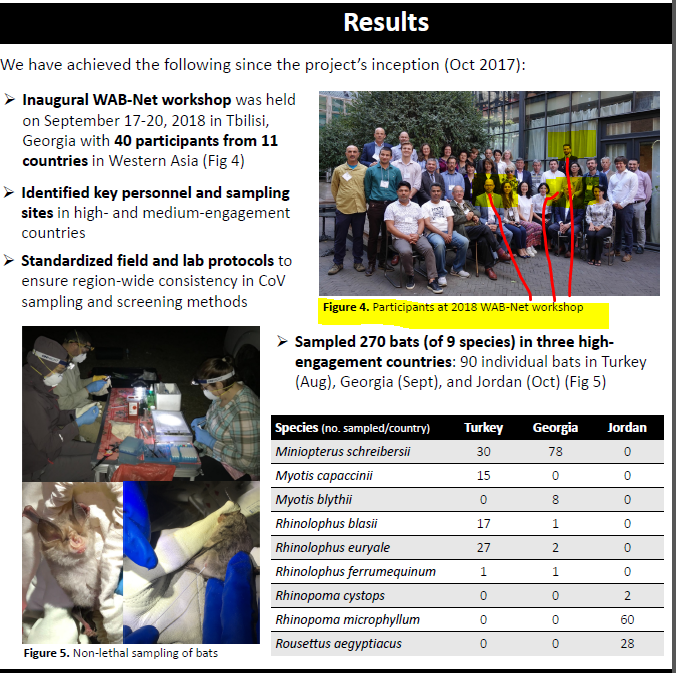
5, Methods and Expected Outcomes
(Unexpected Outcome = New Coronavirus Pandemic)
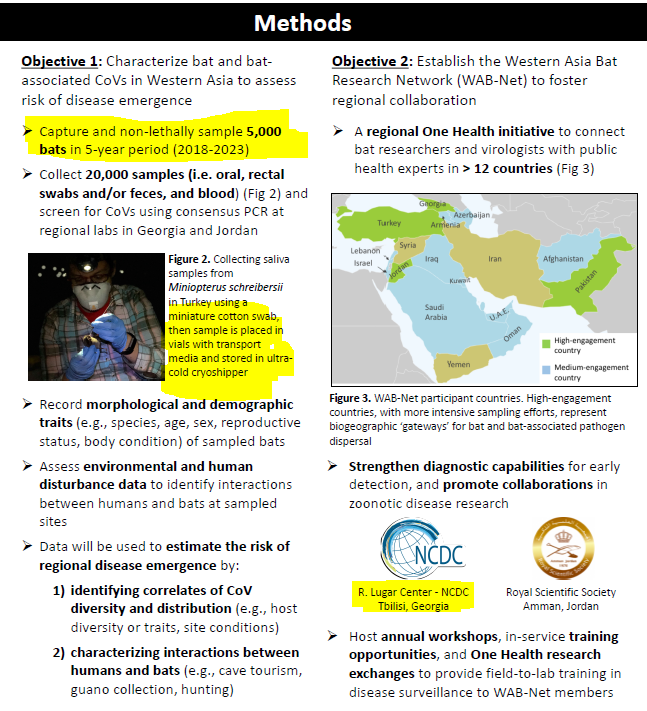
Risks of bat-borne zoonotic diseases in Western Asia
Duration: 24/10/2018-23 /10/2019
Funding: $71,500
@dgaytandzhieva
https://t.co/680CdD8uug
2. Bat Virus Database
Access to the database is limited only to those scientists participating in our ‘Bats and Coronaviruses’ project
Our intention is to eventually open up this database to the larger scientific community
https://t.co/mPn7b9HM48
3. EcoHealth Alliance & DTRA Asking for Trouble
One Health research project focused on characterizing bat diversity, bat coronavirus diversity and the risk of bat-borne zoonotic disease emergence in the region.
https://t.co/u6aUeWBGEN
4. Phelps, Olival, Epstein, Karesh - EcoHealth/DTRA
5, Methods and Expected Outcomes
(Unexpected Outcome = New Coronavirus Pandemic)


