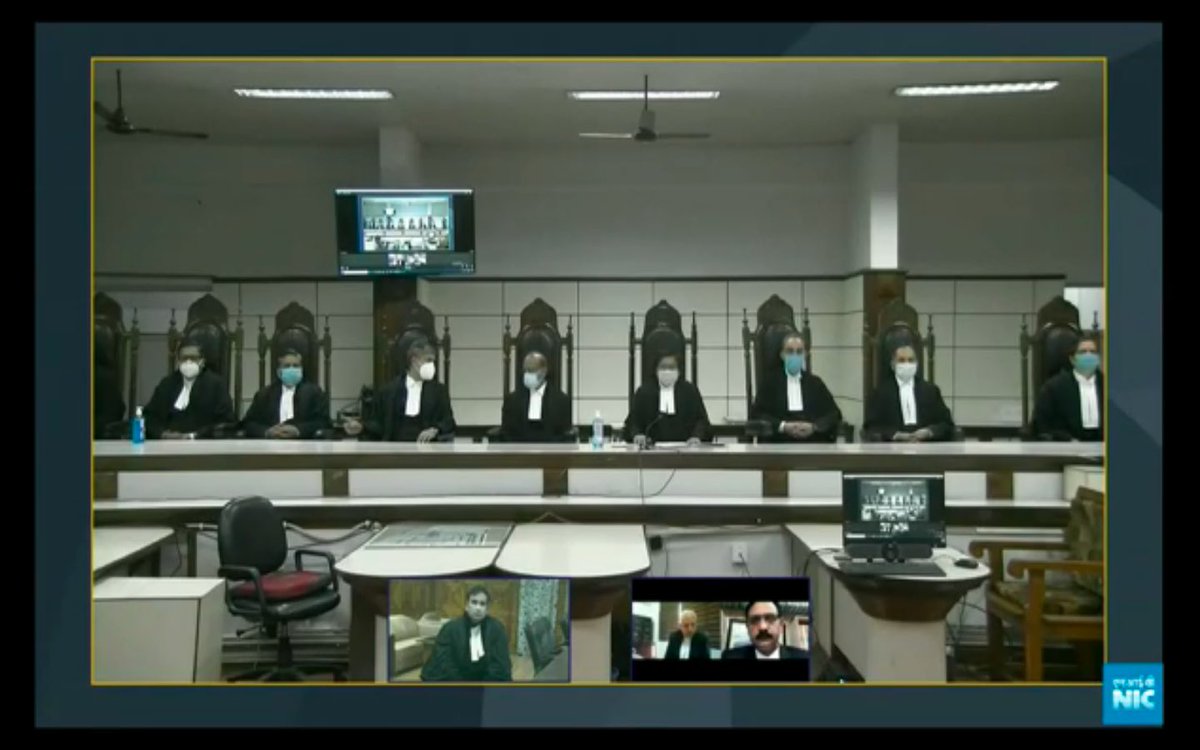
Today the superior court will hear oral arguments in Midtown Citizens Coalition v. Municipality of Anchorage. "MCC" is an unofficial group that opposes the recall of Assembly member Felix Rivera. The question is whether the Muni properly certified the recall petition. #aklaw
Oral argument in scheduled for January 21 at 3 pm in this case & will be telephonic. To listen, call 1-800-768-2983, code: 2640561#. Alternate phone numbers if the toll-free number gives you trouble: 1-907-206-2349 or 1-913-904-9867 or 1-212-231-3884.
— Alaska Court System (@AlaskaCourt) January 20, 2021
1. "The grounds for recall stated in the petition are insufficient as a matter of law, and therefore the petition should have been rejected."

More from Law



A Call for Help!
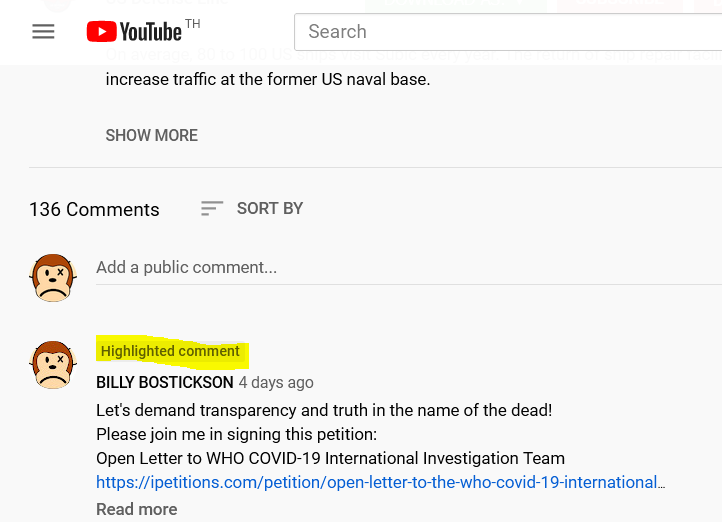
1. we have a petition/open letter for the WHO
https://t.co/Bie8pUy7WJ
2. 372 people signed it but we want to boost it
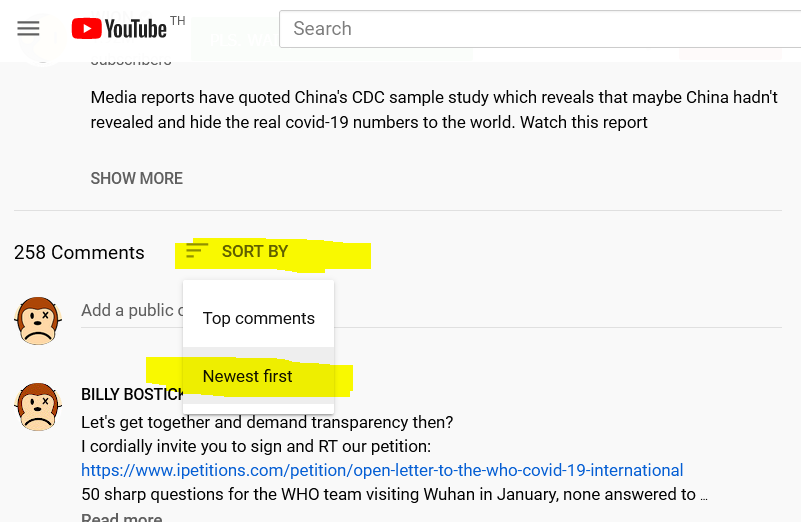
3. I post link ascomment on related YT videos
Tks @KevinMcH3 for the tip
4. You can help by liking the comments
5. That will increase visibility!
6. Links for YT videos with comments are here
1. China curtails hunt for virus origins
https://t.co/NhcYdtsd2Y
2. China: nearly 500,000 may have been infected in Wuhan
https://t.co/KRUQ5hFrii
3. WHO becomes US-China battleground | DW Documentary
https://t.co/8ah8M8bpiB
4. Gravitas: The 'hidden hunt' for COVID-19 origins
https://t.co/hHhhUqgPYt
5. Seeking the invisible: hunt for origins of deadly Covid-19 coronavirus will take scientists to Wuhan
https://t.co/tCPQqjUZF3
6. WHO team to probe COVID-19 origins in
7. How forensic researchers track down origins of SARS-CoV2
https://t.co/r7A1lkr5li
8. Bats, roadblocks & the origins of coronavirus - BBC
https://t.co/Kh9jacC54t
9. New coronavirus strain is far more infectious and spreading among young - BBC
10. https://t.co/OcpAZ9nrl3
11. https://t.co/OcpAZ9nrl3
12. https://t.co/OcpAZ9nrl3
13. https://t.co/PhmoSfvbD8
14. https://t.co/TsvB7SYN2c
15. https://t.co/0o5YbmiUbJ
16. https://t.co/ir7QiwmlWt
17. https://t.co/PTT3KZDi8F
18.
1. we have a petition/open letter for the WHO
https://t.co/Bie8pUy7WJ
2. 372 people signed it but we want to boost it
3. I post link ascomment on related YT videos
Tks @KevinMcH3 for the tip
4. You can help by liking the comments
5. That will increase visibility!
6. Links for YT videos with comments are here
1. China curtails hunt for virus origins
https://t.co/NhcYdtsd2Y
2. China: nearly 500,000 may have been infected in Wuhan
https://t.co/KRUQ5hFrii
3. WHO becomes US-China battleground | DW Documentary
https://t.co/8ah8M8bpiB
4. Gravitas: The 'hidden hunt' for COVID-19 origins
https://t.co/hHhhUqgPYt
5. Seeking the invisible: hunt for origins of deadly Covid-19 coronavirus will take scientists to Wuhan
https://t.co/tCPQqjUZF3
6. WHO team to probe COVID-19 origins in
7. How forensic researchers track down origins of SARS-CoV2
https://t.co/r7A1lkr5li
8. Bats, roadblocks & the origins of coronavirus - BBC
https://t.co/Kh9jacC54t
9. New coronavirus strain is far more infectious and spreading among young - BBC
10. https://t.co/OcpAZ9nrl3
11. https://t.co/OcpAZ9nrl3
12. https://t.co/OcpAZ9nrl3
13. https://t.co/PhmoSfvbD8
14. https://t.co/TsvB7SYN2c
15. https://t.co/0o5YbmiUbJ
16. https://t.co/ir7QiwmlWt
17. https://t.co/PTT3KZDi8F
18.