Craig Murray contempt of court case has begun.
I'll post updates on this thread.
1. Material published contains information likely to identify the complainers
2 Substantial risk of prejudicing the trial via his articles and readers comments on them.
3 information published breached court order.
Advocate Depute says it does.
Lady Dorian asks how an article published before the order (banning the names from being published) could be in breach of it.
Prentice says they are still online.
Notes 313 people on WebEx and hundreds of others are attending the hearing virtually. "More than would fit into the biggest courtroom"
Says this shows the public interest in the case
Says this shows a "sincere and genuine commitment"
Lady Dorian notes "The jury might take a scunner, to put it that way."
Defence say that depends on the case, and the court should look at the standard of "beyond a reasonable doubt." And that any other standard would mean no cases could be reported at all.
More from Law


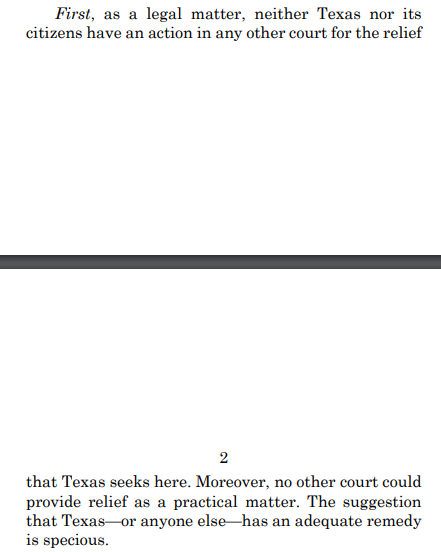
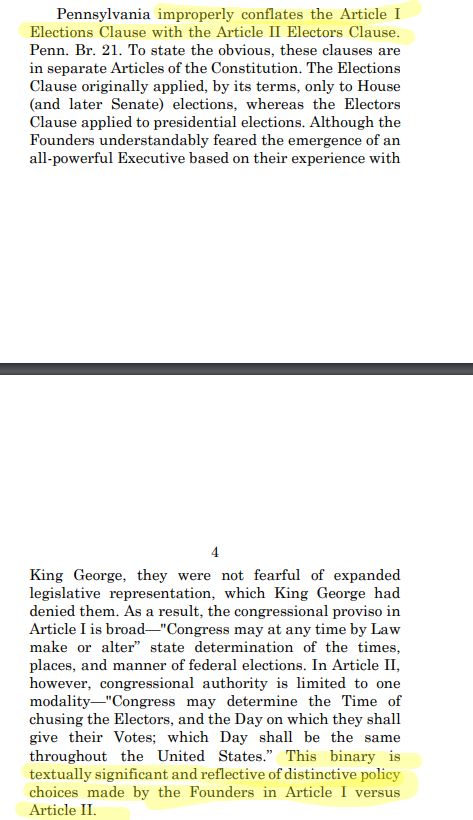


Hot take: Courts might be able to review the legality of this impeachment, even under current political-question doctrine. Here’s why and how the issue might arise:
Suppose Senate convicts and disqualifies Trump from ever holding federal office. Trump files paperwork to run anyway, but state officials deny his application, citing his Senate impeachment judgment. Trump sues, arguing that the judgment is void.
Normally a legal dispute about a prospective candidates eligibility to run would certainly present a justiciable case or controversy. But are courts bound to accept the Senate impeachment judgment as valid? Maybe not. Here’s why:
According to Article I, “The Senate shall have the sole Power to try all Impeachments.” This is a small amount of judicial power vested in Congress. When trying impeachments, the Senate sits as a court.
The Senate’s judicial power includes the power to decide relevant legal questions that arise, such as what procedures are sufficient to constitute a “trial” w/in the Constitution’s meaning. Such legal determinations are conclusive, as SCOTUS held in Nixon v. United States (1993).
Honest Q: Some people argue in good faith that an impeachment trial after POTUS leaves office is unconstitutional. I think they\u2019re wrong. But let\u2019s say they\u2019re right, yet senate does it anyway. Does anyone seriously think SCOTUS reverses verdict (or even can)?
— Jonah Goldberg (@JonahDispatch) January 17, 2021
Suppose Senate convicts and disqualifies Trump from ever holding federal office. Trump files paperwork to run anyway, but state officials deny his application, citing his Senate impeachment judgment. Trump sues, arguing that the judgment is void.
Normally a legal dispute about a prospective candidates eligibility to run would certainly present a justiciable case or controversy. But are courts bound to accept the Senate impeachment judgment as valid? Maybe not. Here’s why:
According to Article I, “The Senate shall have the sole Power to try all Impeachments.” This is a small amount of judicial power vested in Congress. When trying impeachments, the Senate sits as a court.
The Senate’s judicial power includes the power to decide relevant legal questions that arise, such as what procedures are sufficient to constitute a “trial” w/in the Constitution’s meaning. Such legal determinations are conclusive, as SCOTUS held in Nixon v. United States (1993).