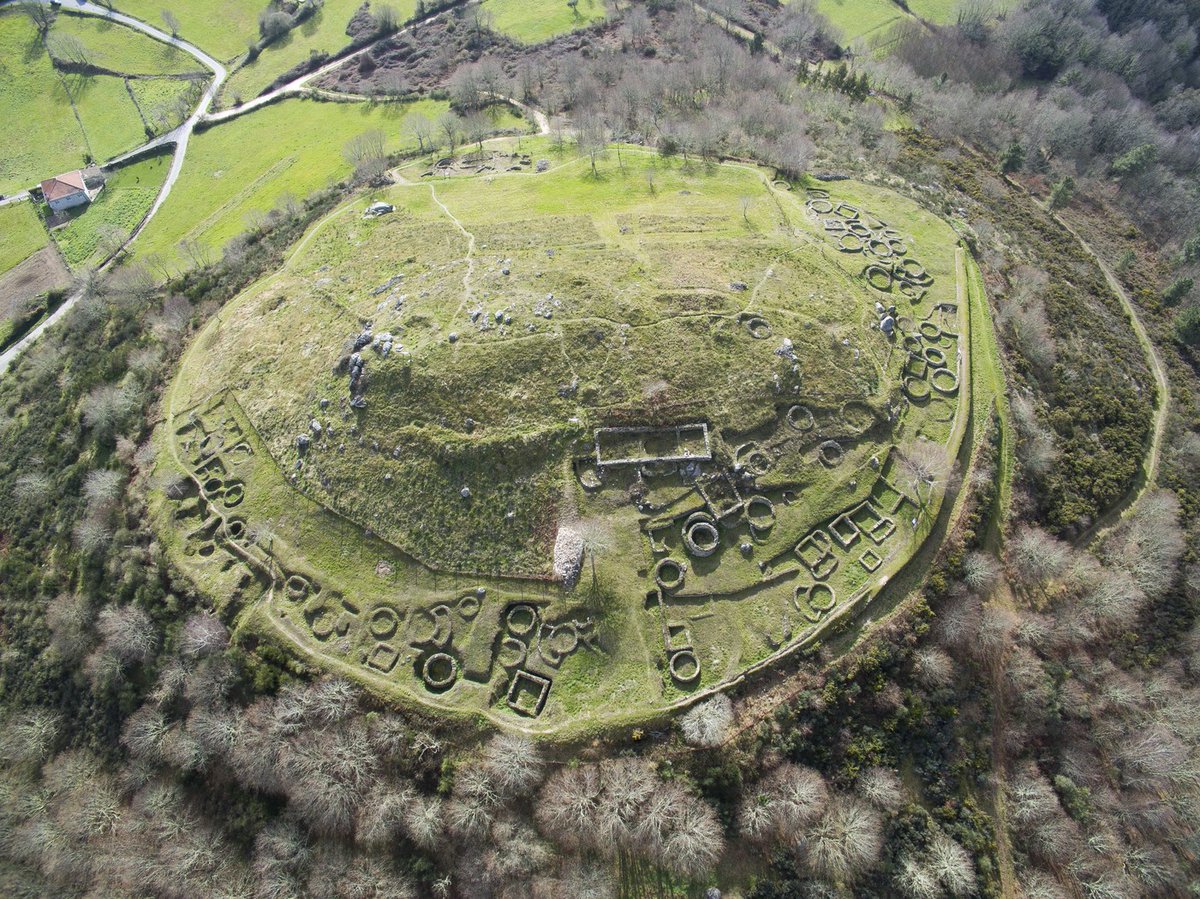
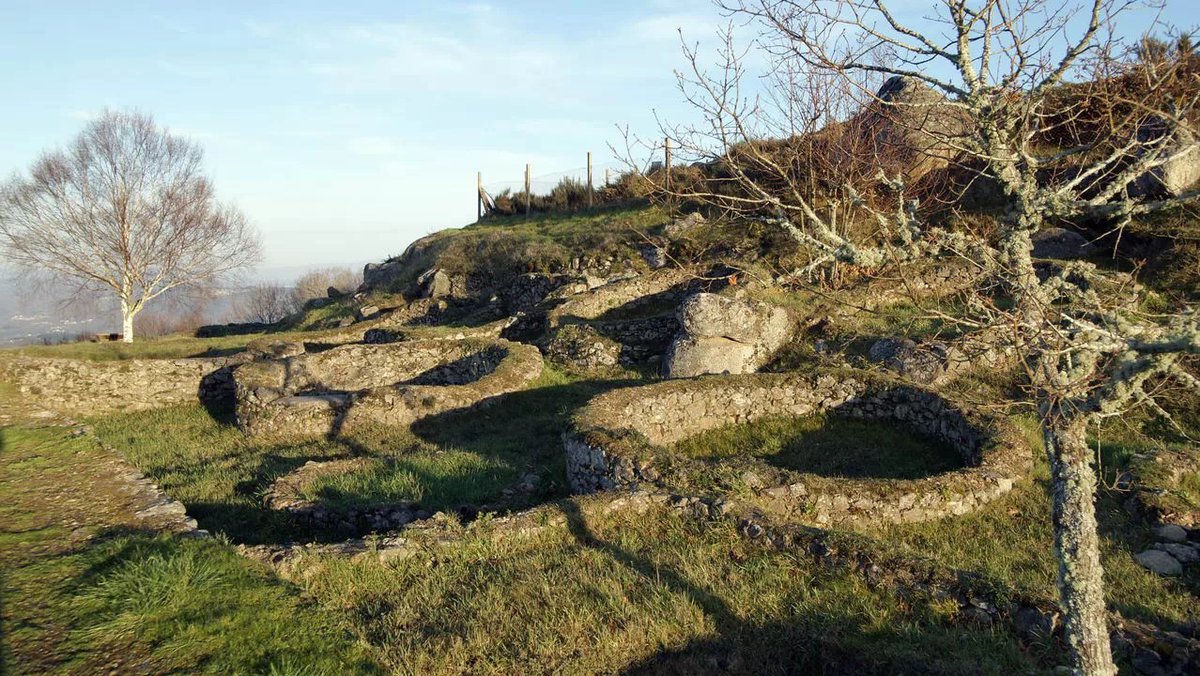
This is the hillfort of Castromao (Celanova, #Galicia), the former Coeliobriga (celt., 'The fort of the Bold'). An object found here is key to understanding the politics of the hillforts. Other... is just the cutest thing you will see today on twitter. Go!👇 #HillfortsWednesday

Coelibriga was inhabited from the end of the Bronze Age until the height of Roman times. Outstanding examples of Gallaecian Iron Age art have been found there. #HillfortsWednesday
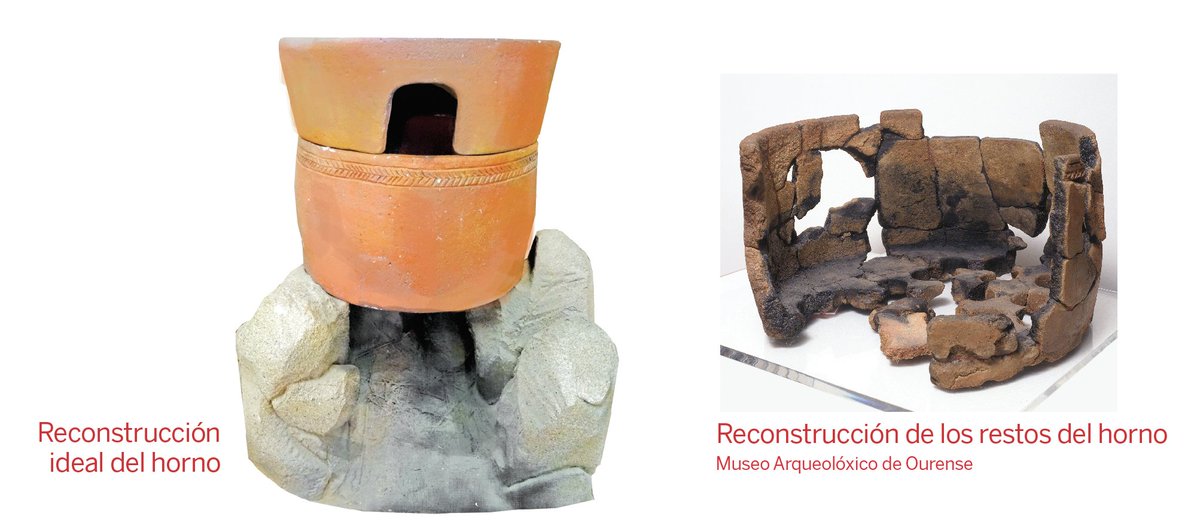
And even unique technological objects. This is a portable oven, possibly used for melting metals. Raw gold pieces have been found in the hillfort. #HillfortsWednesday
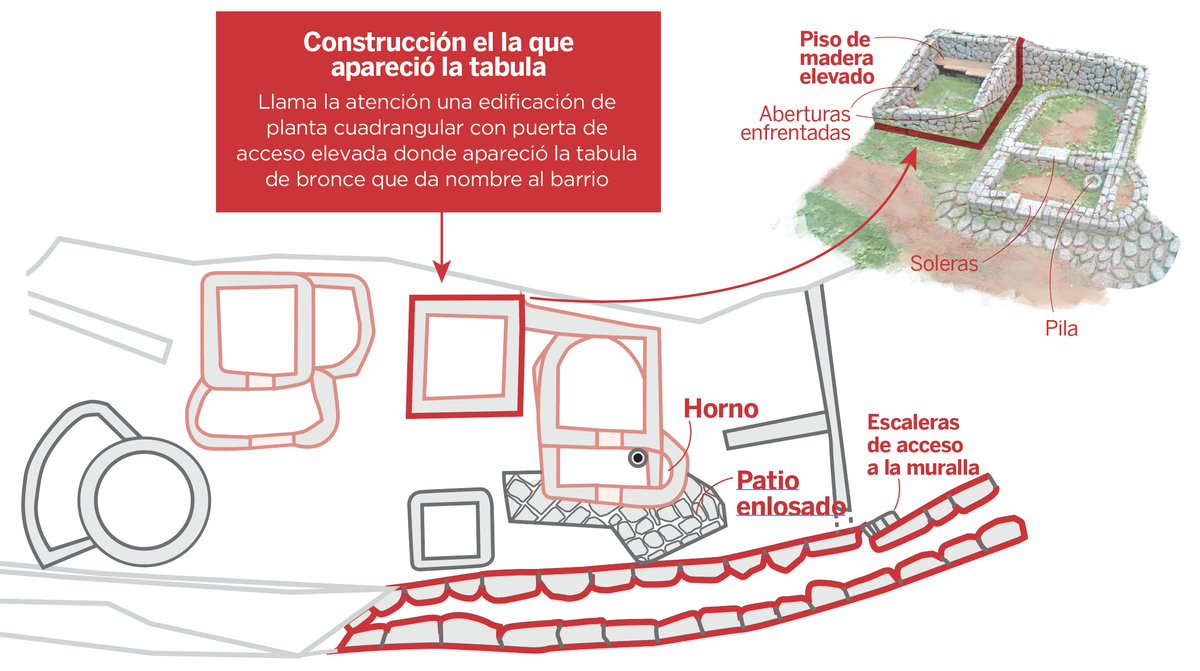
But let's stop at the 'tabula district', a singular group of buildings next to the rampart. Here, exceptional objects were found. One of them in that building with the elevated door. #HillfortsWednesday
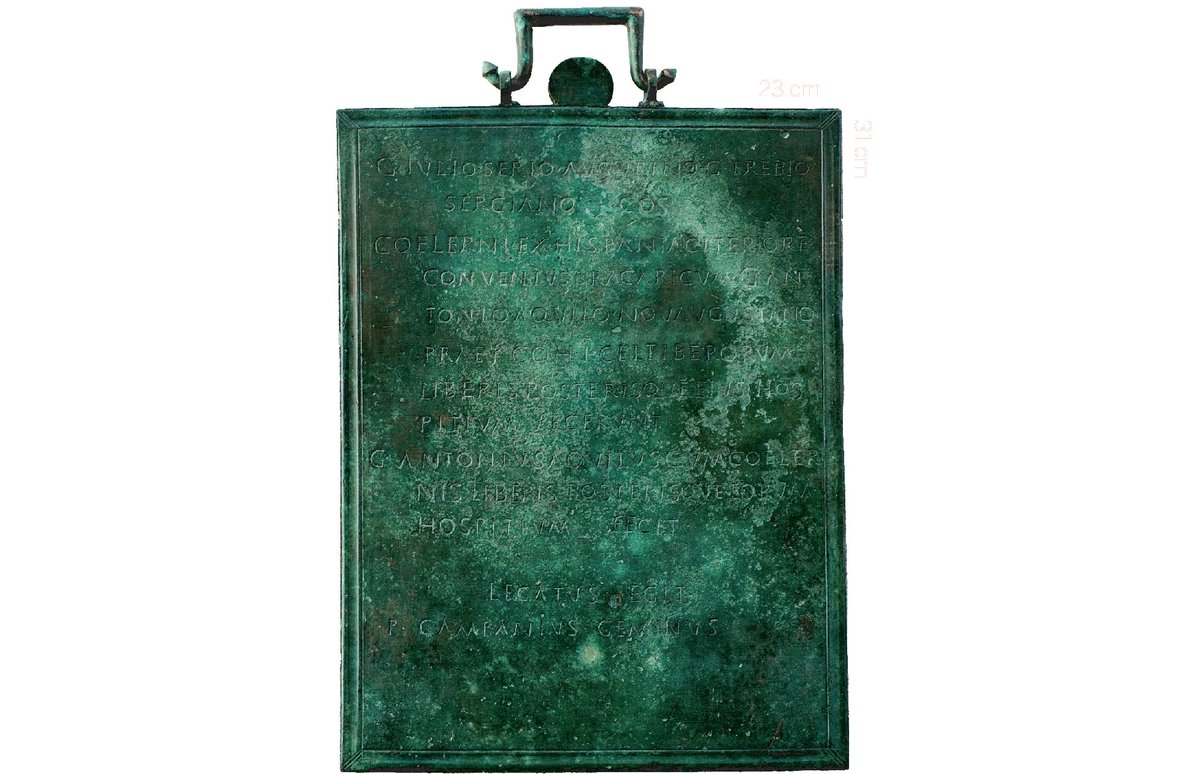
This is the amazing Tabula de Castromao. A pact of hospitality between the Coelerni people and G. N. Aquilinus Novaugustanus, the prefectus of the first cohort of Celtiberians in the Roman army. It was signed en el 132 AD. #HillfortsWednesday
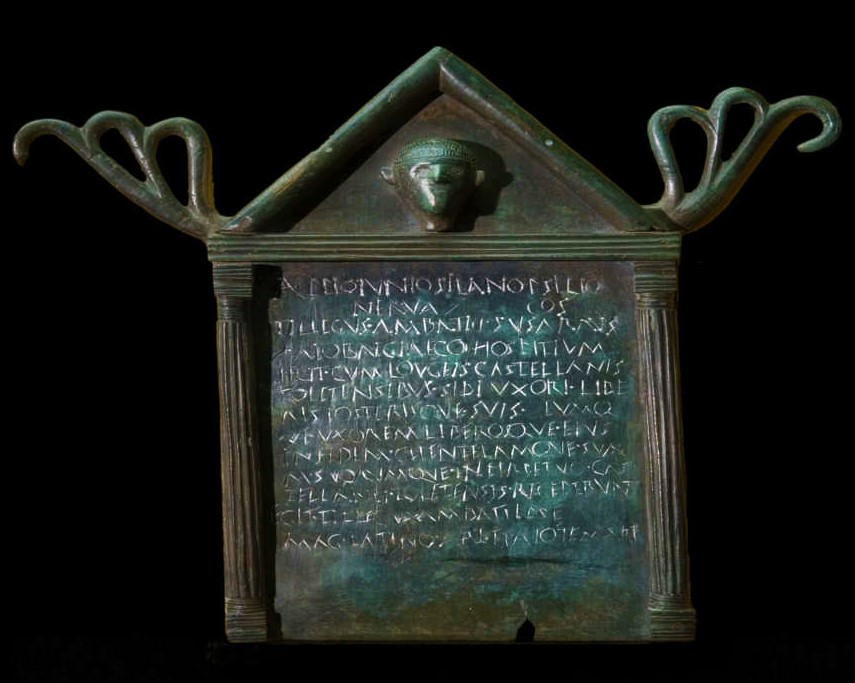
These hospitality arrangements were an old tradition of the Iron Age peoples in the north of the Iberian Peninsula. The Romans took advantage of them in their diplomatic relations with them. This is another example of Gallaecia, the Tabula do Courel. #HillfortsWednesday
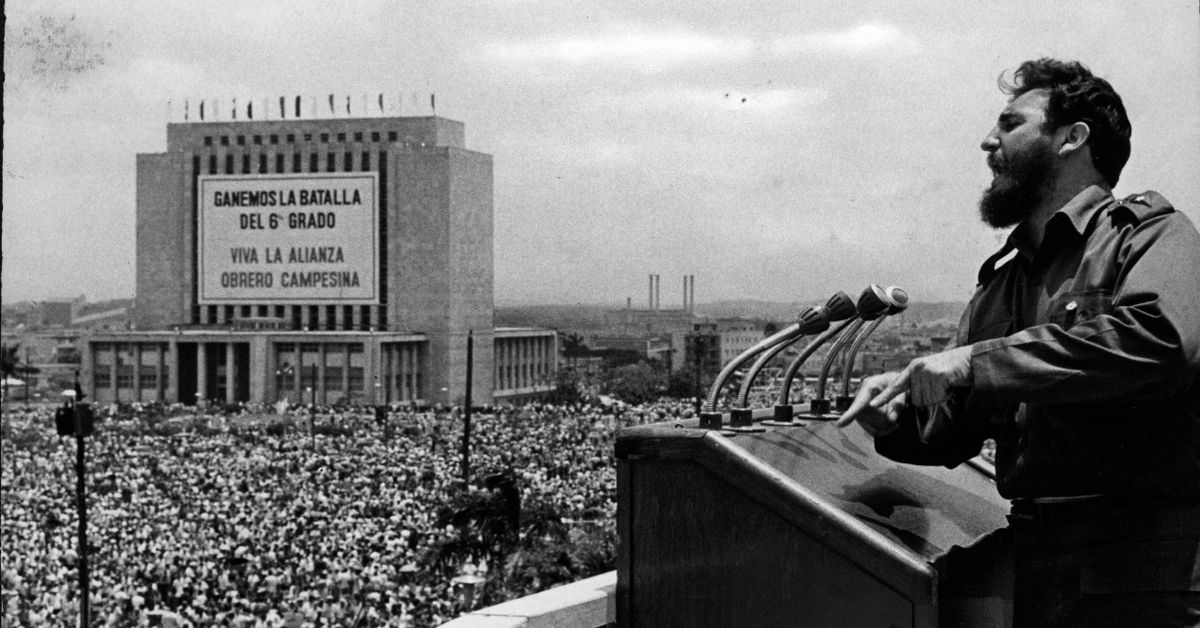
There are interesting things in the Tabula de Castromao. Look at how, on the Roman side, just a representative signs. On the Gallaecian side, everyone does, 'the Coelerni'. What does this mean? Is it like 'the Cuban people', or is it a real assembly? #HillfortsWednesday
The other intriguing issue is the date. 132 AD! The Roman conquest of Gallaecia ended in 16 BC. The table shows that 150 years later, at least on the metal, these hillfort still had its own institutions and an equal relationship with Roman power. #HillfortsWednesday
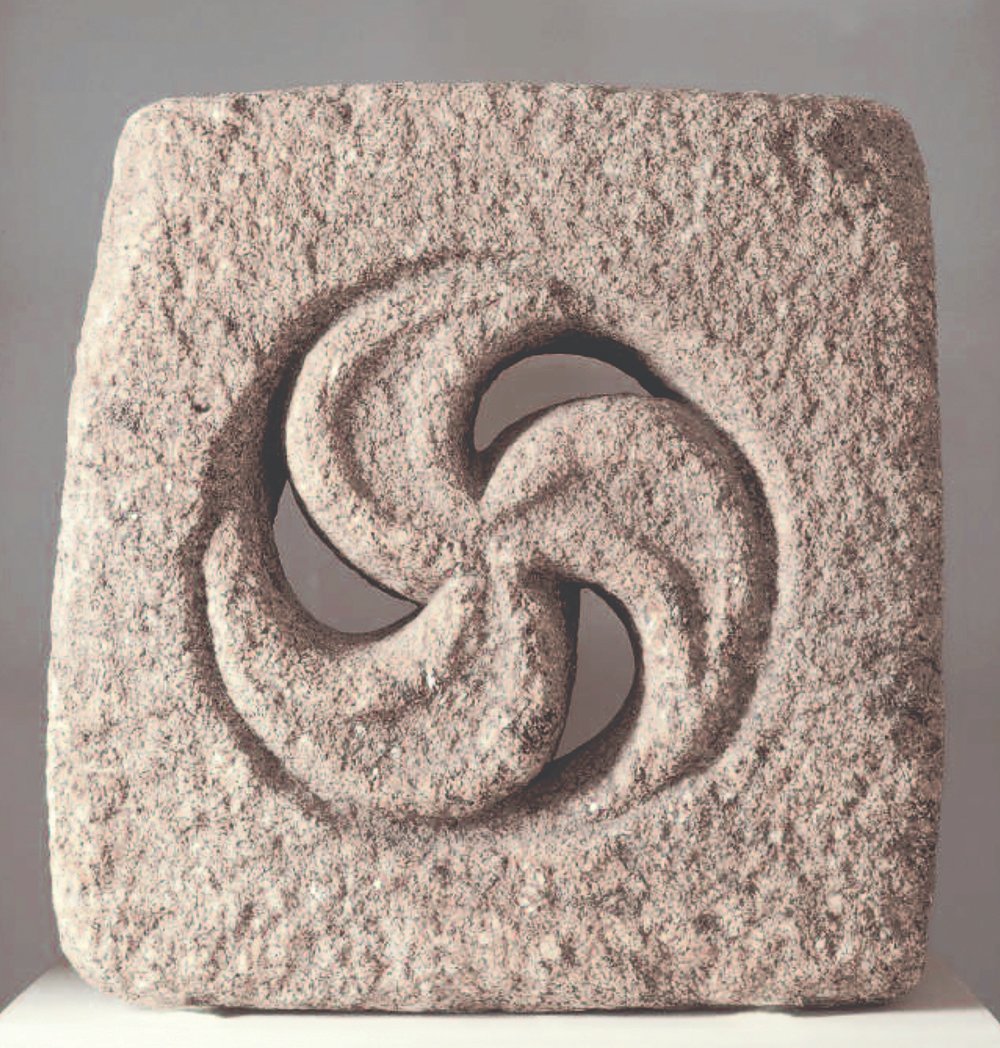
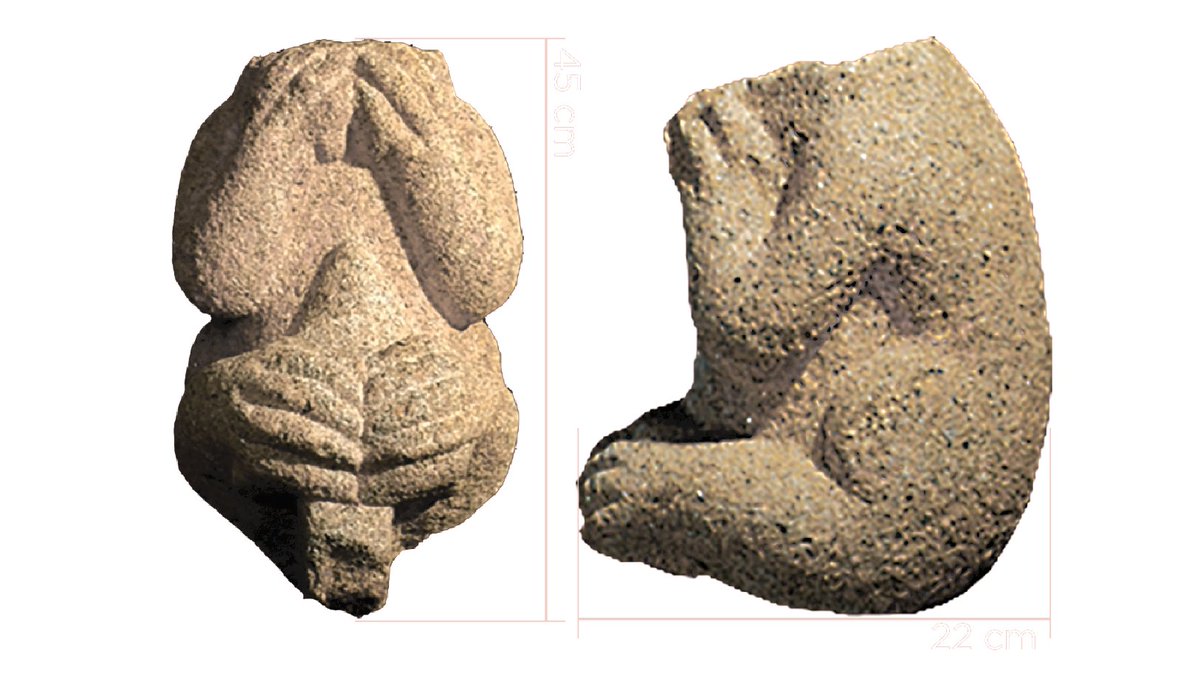
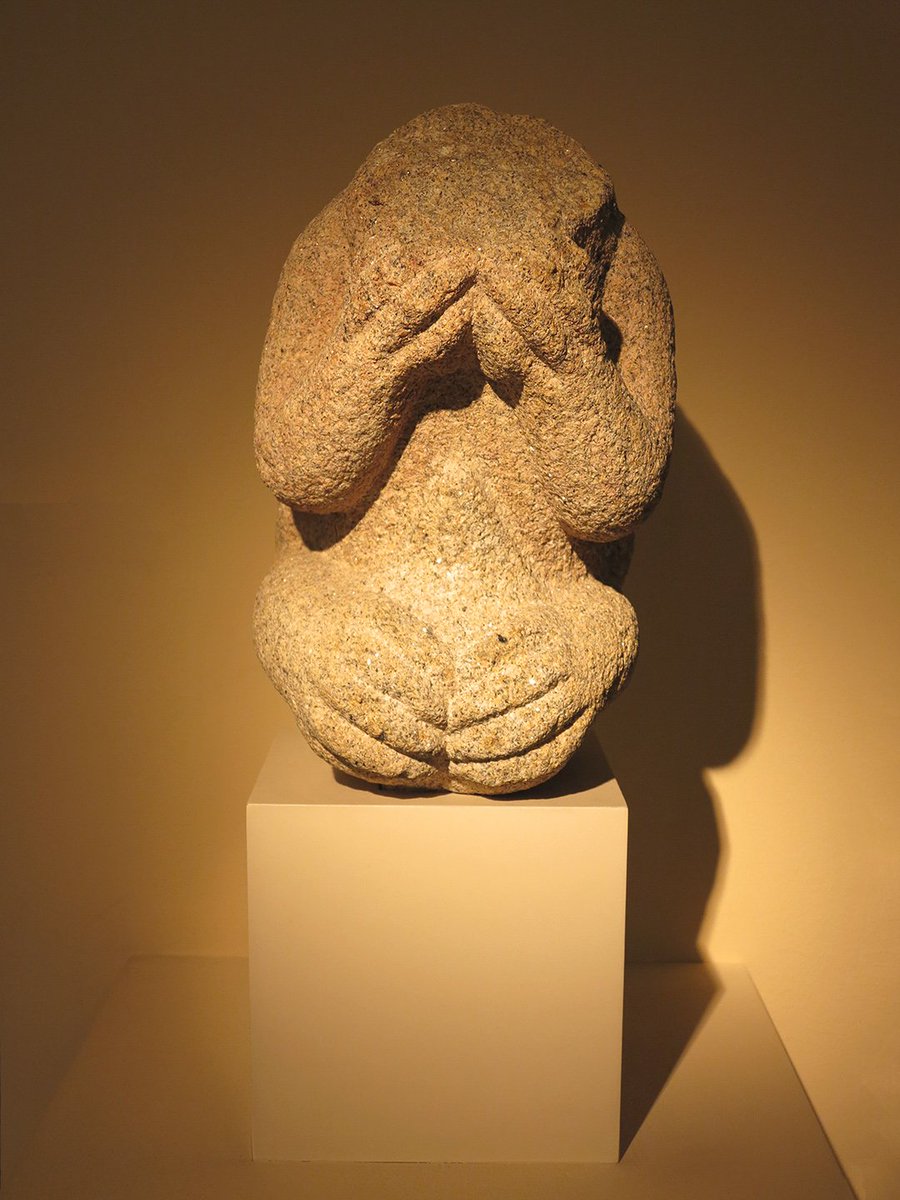
And let's end with a unique, rare, intriguing sculpture. It was found in the foundation of a building in this district, so it comes for sure from the IIBC or earlier. It is what you see, a 'monkey type' sculpture. WTF? A monkey? #HillfortsWednesday
There is no similar statue in the Iron Age, and no one knows what it means. There were no monkeys in the north of the Iberian Peninsula. It is an example of a very diverse world, of which we still have everything to know. Have a nice day! #hillfortsWednesday
MDT by @fonte_joao. Castromao's official site: https://t.co/fwwnx0rdGh. On the reconstruction of tabula district, this paper of Nieto et al: https://t.co/zWNucFaLE4. On the tabula, a brief description by the museum (Galician and Spanish): https://t.co/BNFS8roIJx
If you enjoyed this story, there's a whole Iron Age world to explore in my Moments!

https://t.co/6pcFwY1kOk

More from History

Rush Catalog
Emotion Detector (1985, Power Windows)
https://t.co/3U3Ol6tMHU
#RushFamily
@RushFamTourneys
What's your grade of this song?

https://t.co/3U3Ol6Lo6u

Lyrics:

When we lift the covers from our feelings
We expose our insecure spots
Trust is just as rare as devotion —
Forgive us our cynical thoughts
If we need too much attention —
Not content with being cool
We must throw ourselves wide open
And start acting like a fool

If we need too much approval
Then the cuts can seem too cruel

Right to the heart of the matter
Right to the beautiful part
Illusions are painfully shattered
Right where discovery starts
In the secret wells of emotion
Buried deep in our hearts

It’s true that love can change us
But never quite enough
Sometimes we are too tender
Sometimes we’re too tough
If we get too much attention
It gets hard to overrule
So often fragile power turns
To scorn and ridicule
Sometimes our big splashes
Are just ripples in the pool

You May Also Like

First thread of the year because I have time during MCO. As requested, a thread on the gods and spirits of Malay folk religion. Some are indigenous, some are of Indian origin, some have Islamic


Before I begin, it might be worth explaining the Malay conception of the spirit world. At its deepest level, Malay religious belief is animist. All living beings and even certain objects are said to have a soul. Natural phenomena are either controlled by or personified as spirits

Although these beings had to be respected, not all of them were powerful enough to be considered gods. Offerings would be made to the spirits that had greater influence on human life. Spells and incantations would invoke their


Two known examples of such elemental spirits that had god-like status are Raja Angin (king of the wind) and Mambang Tali Arus (spirit of river currents). There were undoubtedly many more which have been lost to time

Contact with ancient India brought the influence of Hinduism and Buddhism to SEA. What we now call Hinduism similarly developed in India out of native animism and the more formal Vedic tradition. This can be seen in the multitude of sacred animals and location-specific Hindu gods