Figure your plan out.
Infant Esoterica:
CONSENSUAL BIRTH PLAN: We did homebirths for both. No meds, no interventions. They went great, wouldn't have changed a thing. Hospital ten minutes away in case we needed it. The important factor is that we CHOSE how we'd give birth. It was fully consensual.
Figure your plan out.
Skin-skin contact with both parents is essential. Chest to chest. Doing as as early and often as you can --> lasting connections. https://t.co/1NRK6Z2qAo
Lay them on their back on bed or soft surface, get them to grab your thumbs and start lifting up. They'll come off the ground and relinquish grip when tired. Repeat.
If you do this from day 1 and never stop, you build powerful grip strength. ie normal grip strength, the grip they're meant to have.
Stroller good to have but not exclusively.
They're adrift in a psychedelic sea of sensory data. You are the anchor as they make sense of it.
Carrying kids lowers their cortisol, increases mutual oxytocin release.
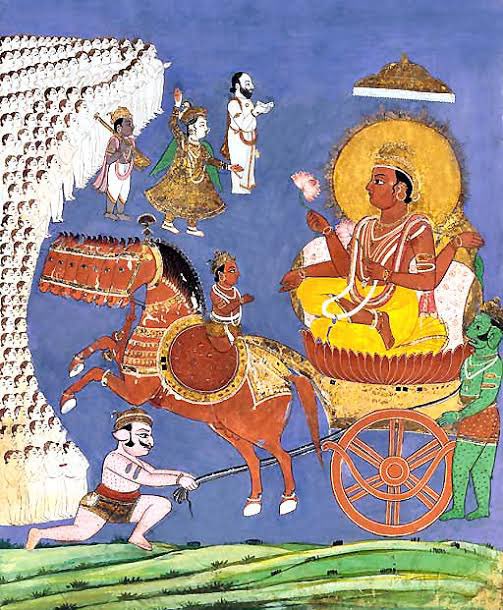
AM sunlight provides infrared light which improves skin UV resilience, helps set circadian rhythm so they sleep better at night.
Midday sunlight provides UVB for vitamin D production.
Suitable dosing depends on ethnicity, skin color, etc.
Trees and plants emit volatile organic compounds to communicate with each other, and we humans can pick up on them (the smells we smell in the forest) and obtain physiological benefits—lower stress, improved immunity. Small humans benefit too.
Secret to most of this stuff is it's all good for you, too.
Also, dogs make kids happy.
Switch house bulbs to warm Edison lights.
Use these: https://t.co/uYTtXQDu72
More from Health


I think @SamAdlerBell in his quest to be the contrarian on Fauci gets several things wrong here. 1/
First, the failure last year actually was driven by the White House, the #Trump inner circle. Watch what's happening now, the US' scientific and public health infrastructure is creaking back to life. 2/
I think Sam underestimates the decimation of many of our health agencies over the past four years and the establishment of ideological control over them during the pandemic. 3/
I also am puzzled why Tony gets the blame for not speaking up, etc. Robert Redfield, Brett Giroir, Deb Birx, Jerome Adams, Alex Azar all could have done the same. 4/
Several of these people Bob Redfield, Brett Giroir, Alex Azar were led by craven ambition, Jerome Adams by cowardice, but I do think Deb Birx and Tony tried as institutionalists, insiders to make a difference. 5/
— Matthew Yglesias (@mattyglesias) January 30, 2021
First, the failure last year actually was driven by the White House, the #Trump inner circle. Watch what's happening now, the US' scientific and public health infrastructure is creaking back to life. 2/
I think Sam underestimates the decimation of many of our health agencies over the past four years and the establishment of ideological control over them during the pandemic. 3/
I also am puzzled why Tony gets the blame for not speaking up, etc. Robert Redfield, Brett Giroir, Deb Birx, Jerome Adams, Alex Azar all could have done the same. 4/
Several of these people Bob Redfield, Brett Giroir, Alex Azar were led by craven ambition, Jerome Adams by cowardice, but I do think Deb Birx and Tony tried as institutionalists, insiders to make a difference. 5/