
#GUJGASLTD - GUJGAS Ltd Breakout - TradingView -
More from TradingView India 🇮🇳
More from Gujaratgas


#Watchlist
#GUJGASLTD (2 hours): -687.5 CMP, with support If 680 holds, then 730/800 is on the way :)
#Disclaimer:- View shared is for educational purposes only. Conduct your due diligence before making any trading/investment decisions.
@caniravkaria @nishkumar1977 https://t.co/IoIa9TASCm
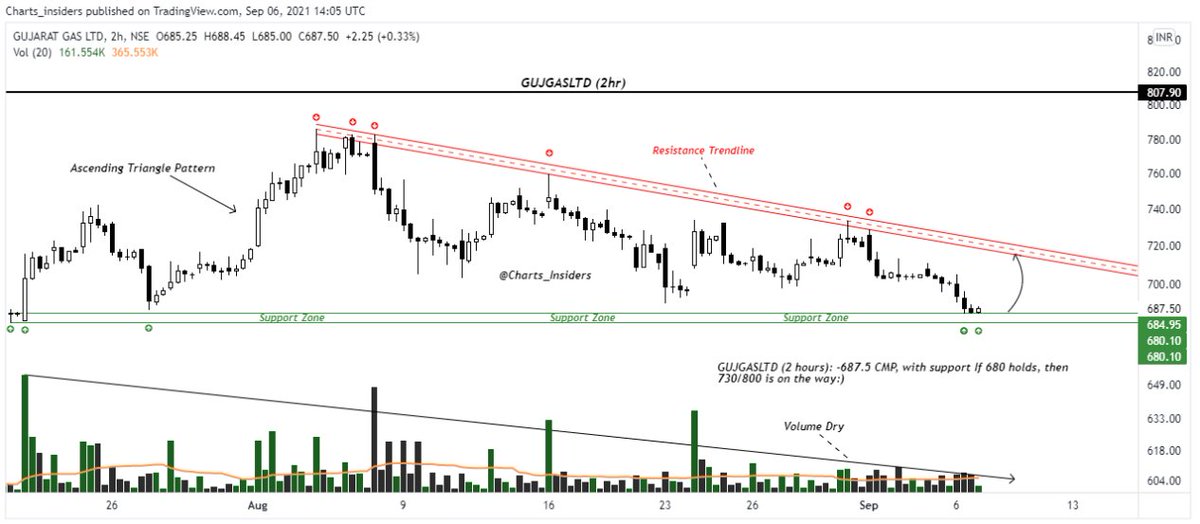
#GUJGASLTD (2 hours): -687.5 CMP, with support If 680 holds, then 730/800 is on the way :)
#Disclaimer:- View shared is for educational purposes only. Conduct your due diligence before making any trading/investment decisions.
@caniravkaria @nishkumar1977 https://t.co/IoIa9TASCm
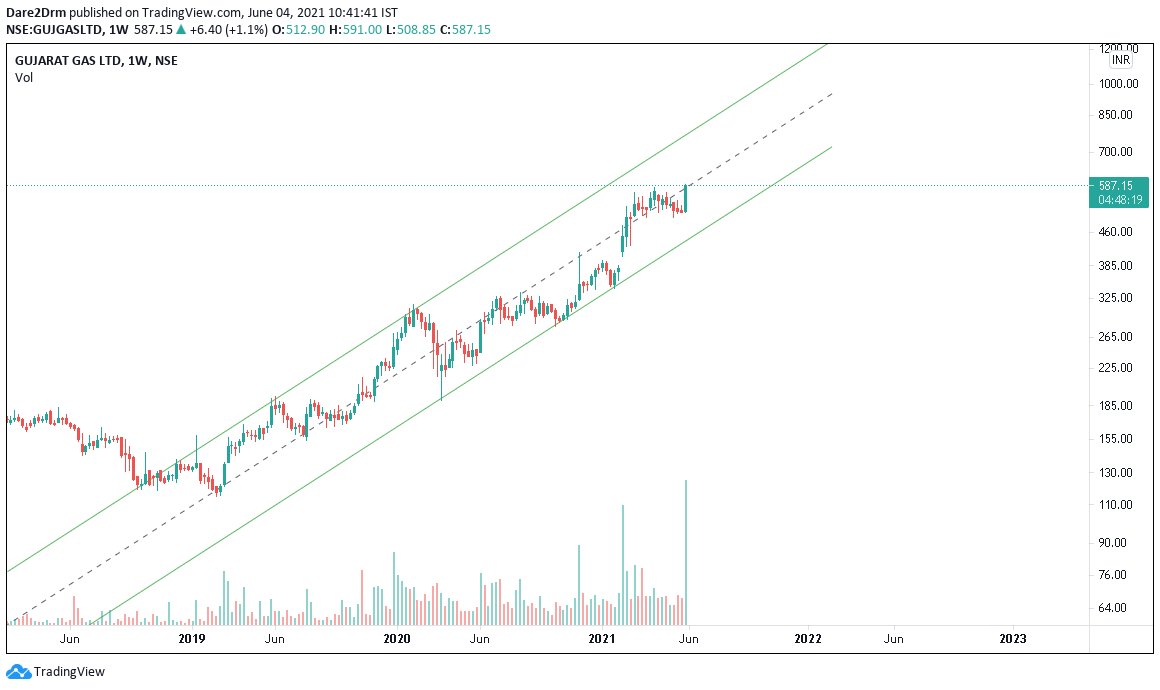
Gujarat Gas.... CMP 700...
— Nirav S. Karia (@caniravkaria) September 3, 2021
Baby \U0001f37c \U0001f425 steps \U0001fa9c
Request views and guidance from experts \U0001f64f
(Purely for educational purposes) pic.twitter.com/Eidd0AHZlz

You May Also Like


1/“What would need to be true for you to….X”
Why is this the most powerful question you can ask when attempting to reach an agreement with another human being or organization?
A thread, co-written by @deanmbrody:
2/ First, “X” could be lots of things. Examples: What would need to be true for you to
- “Feel it's in our best interest for me to be CMO"
- “Feel that we’re in a good place as a company”
- “Feel that we’re on the same page”
- “Feel that we both got what we wanted from this deal
3/ Normally, we aren’t that direct. Example from startup/VC land:
Founders leave VC meetings thinking that every VC will invest, but they rarely do.
Worse over, the founders don’t know what they need to do in order to be fundable.
4/ So why should you ask the magic Q?
To get clarity.
You want to know where you stand, and what it takes to get what you want in a way that also gets them what they want.
It also holds them (mentally) accountable once the thing they need becomes true.
5/ Staying in the context of soliciting investors, the question is “what would need to be true for you to want to invest (or partner with us on this journey, etc)?”
Multiple responses to this question are likely to deliver a positive result.
Why is this the most powerful question you can ask when attempting to reach an agreement with another human being or organization?
A thread, co-written by @deanmbrody:
Next level tactic when closing a sale, candidate, or investment:
— Erik Torenberg (@eriktorenberg) February 27, 2018
Ask: \u201cWhat needs to be true for you to be all in?\u201d
You'll usually get an explicit answer that you might not get otherwise. It also holds them accountable once the thing they need becomes true.
2/ First, “X” could be lots of things. Examples: What would need to be true for you to
- “Feel it's in our best interest for me to be CMO"
- “Feel that we’re in a good place as a company”
- “Feel that we’re on the same page”
- “Feel that we both got what we wanted from this deal
3/ Normally, we aren’t that direct. Example from startup/VC land:
Founders leave VC meetings thinking that every VC will invest, but they rarely do.
Worse over, the founders don’t know what they need to do in order to be fundable.
4/ So why should you ask the magic Q?
To get clarity.
You want to know where you stand, and what it takes to get what you want in a way that also gets them what they want.
It also holds them (mentally) accountable once the thing they need becomes true.
5/ Staying in the context of soliciting investors, the question is “what would need to be true for you to want to invest (or partner with us on this journey, etc)?”
Multiple responses to this question are likely to deliver a positive result.


