Here’s my question @SenTomCotton, if the Congress’s role is simply to rubber stamp the state certified electoral college then why include in the Constitution a mechanism, specific to the election of a President, that includes the ability to object to state certified electors? 1/
More from Government

🔷 Rev. Raphael Warnock has become the first Democrat to win a Georgia Senate race in 20 years
The politician spoke to voters via MSNBC this morning
https://t.co/T9oJN2fjmo
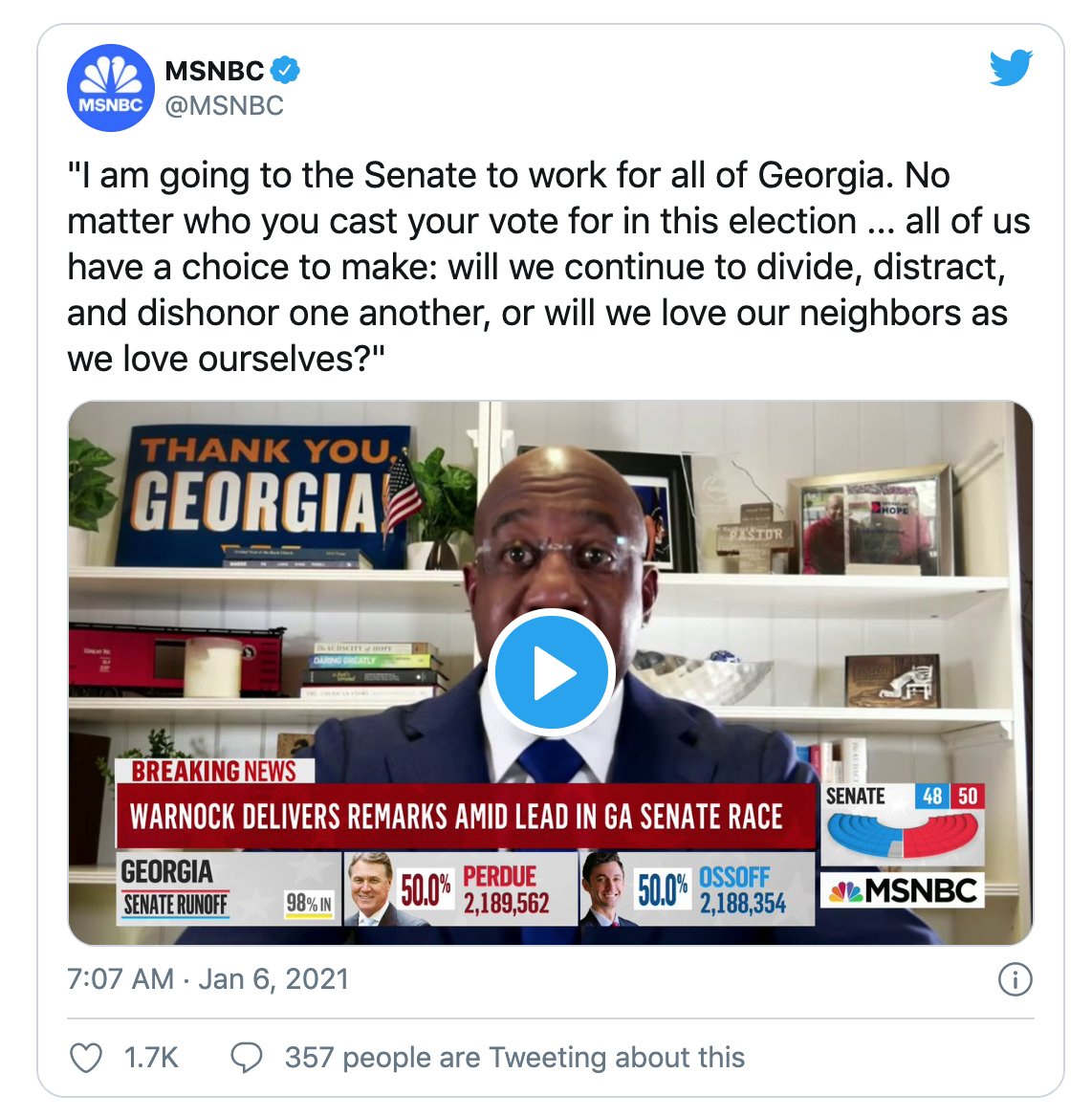
Warnock is a pastor at the Ebenezer Baptist Church in Atlanta where civil rights leader Martin Luther King once preached.
He will become Georgia's first Black senator
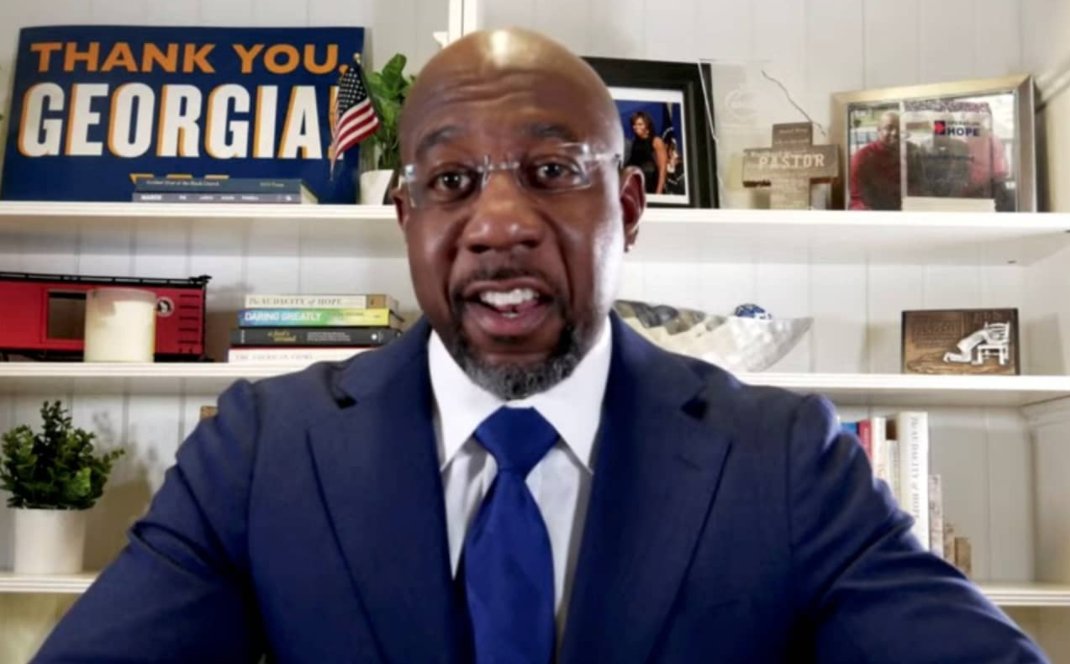
This blue victory gives the Democrats the chance to regain control of the Senate for at least the first two years of the Biden presidency
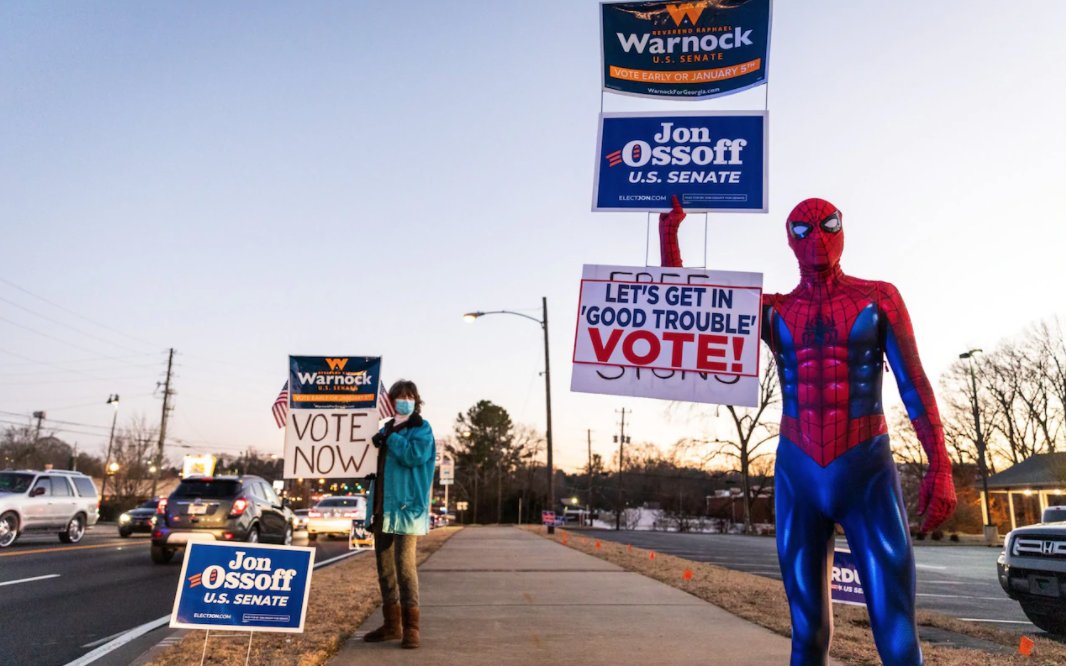
"With Biden proposing to reverse President Donald Trump's tax cut, increase the minimum wage, and strengthen oversight on various industries, some might argue that his agenda is not particularly market-friendly," says Vasu Menon, investment strategy director at OCBC Bank
The politician spoke to voters via MSNBC this morning
https://t.co/T9oJN2fjmo
Warnock is a pastor at the Ebenezer Baptist Church in Atlanta where civil rights leader Martin Luther King once preached.
He will become Georgia's first Black senator
This blue victory gives the Democrats the chance to regain control of the Senate for at least the first two years of the Biden presidency
"With Biden proposing to reverse President Donald Trump's tax cut, increase the minimum wage, and strengthen oversight on various industries, some might argue that his agenda is not particularly market-friendly," says Vasu Menon, investment strategy director at OCBC Bank

Oh my Goodness!!!
I might have a panic attack due to excitement!!
Read this thread to the end...I just had an epiphany and my mind is blown. Actually, more than blown. More like OBLITERATED! This is the thing! This is the thing that will blow the entire thing out of the water!
Has this man been concealing his true identity?
Is this man a supposed 'dead' Seal Team Six soldier?
Witness protection to be kept safe until the right moment when all will be revealed?!
Who ELSE is alive that may have faked their death/gone into witness protection?

Were "golden tickets" inside the envelopes??

Are these "golden tickets" going to lead to their ultimate undoing?
Review crumbs on the board re: 'gold'.

#SEALTeam6 Trump re-tweeted this.

I might have a panic attack due to excitement!!
Read this thread to the end...I just had an epiphany and my mind is blown. Actually, more than blown. More like OBLITERATED! This is the thing! This is the thing that will blow the entire thing out of the water!
Tik Tok pic.twitter.com/8X3oMxvncP
— Scotty Mar10 (@Allenma15086871) December 29, 2020
Has this man been concealing his true identity?
Is this man a supposed 'dead' Seal Team Six soldier?
Witness protection to be kept safe until the right moment when all will be revealed?!
Who ELSE is alive that may have faked their death/gone into witness protection?
Were "golden tickets" inside the envelopes??
Are these "golden tickets" going to lead to their ultimate undoing?
Review crumbs on the board re: 'gold'.
#SEALTeam6 Trump re-tweeted this.


I am going to take the context for this thread from this piece by my good brother @mabziz in 2018-3 years ago. One thing I am so perturbed about is the response of our Attorney General's office to issues of state security. I have no personal grouse against @MalamiSan, but
2. I do have a professional grouse against him. I feel he is not alive to his duties. I feel that he is also not empowering his Director of Public Prosecutions or his Solicitor General. There is clearly a lot that befuddles me and this is because I am a seasoned lawyer and can't/
3. understand why law is not being used as the instrument it was designed for-to enforce law and order. Let us take the case of Nnamdi Kanu-this man was arraigned in Nigeria on a charge of treason/treasonable felony-he was on bail & he jumped bail. Why has he not been extradited?
4. Is it that Kanu is somehow bigger than Nigeria? What has happened to his surety who failed to produce him? Who is prosecuting him? Our Federal Ministry of Justice? Should Malami not explain to Nigeria why Nnamdi Kanu is still taunting Nigeria daily & still actively destroying/
5. our unity everyday. He is putting the lives of many people at risk and stoking ethnic dissent easily. The Fulani herdsmen dilemma, the burning of Lagos State and his coordination of same on phone-in radio channels, his videos are all stoking a Yoruba/Igbo carnage. Same with/
CONFLICT ENTREPRENEURS; beware of them ... pic.twitter.com/3vUvz5oHL1
— Abdul-aziz Mu'azu (@mabziz) February 11, 2018
2. I do have a professional grouse against him. I feel he is not alive to his duties. I feel that he is also not empowering his Director of Public Prosecutions or his Solicitor General. There is clearly a lot that befuddles me and this is because I am a seasoned lawyer and can't/
3. understand why law is not being used as the instrument it was designed for-to enforce law and order. Let us take the case of Nnamdi Kanu-this man was arraigned in Nigeria on a charge of treason/treasonable felony-he was on bail & he jumped bail. Why has he not been extradited?
4. Is it that Kanu is somehow bigger than Nigeria? What has happened to his surety who failed to produce him? Who is prosecuting him? Our Federal Ministry of Justice? Should Malami not explain to Nigeria why Nnamdi Kanu is still taunting Nigeria daily & still actively destroying/
5. our unity everyday. He is putting the lives of many people at risk and stoking ethnic dissent easily. The Fulani herdsmen dilemma, the burning of Lagos State and his coordination of same on phone-in radio channels, his videos are all stoking a Yoruba/Igbo carnage. Same with/