
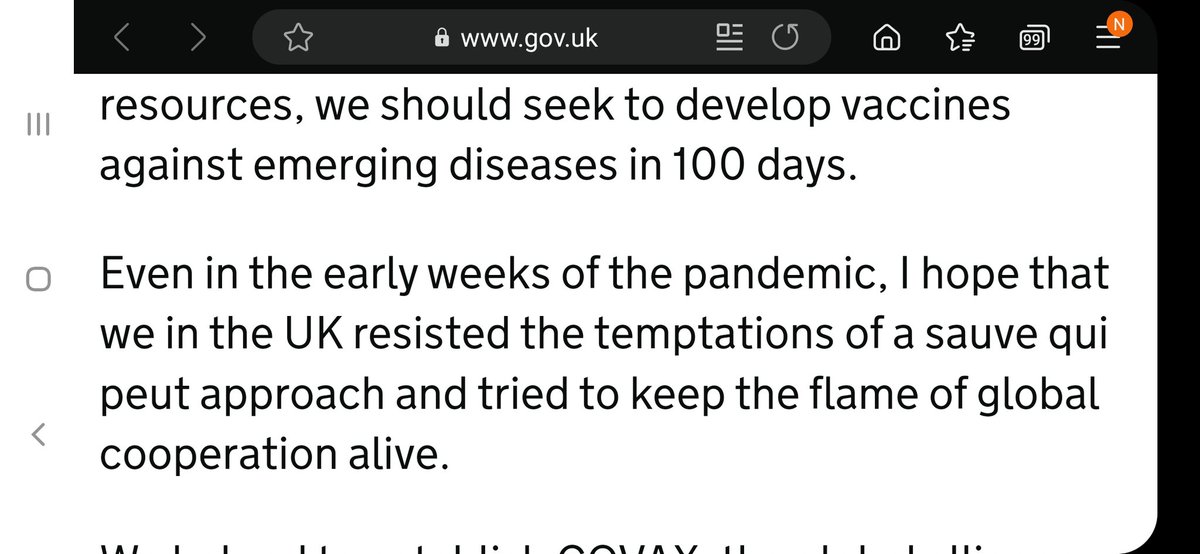
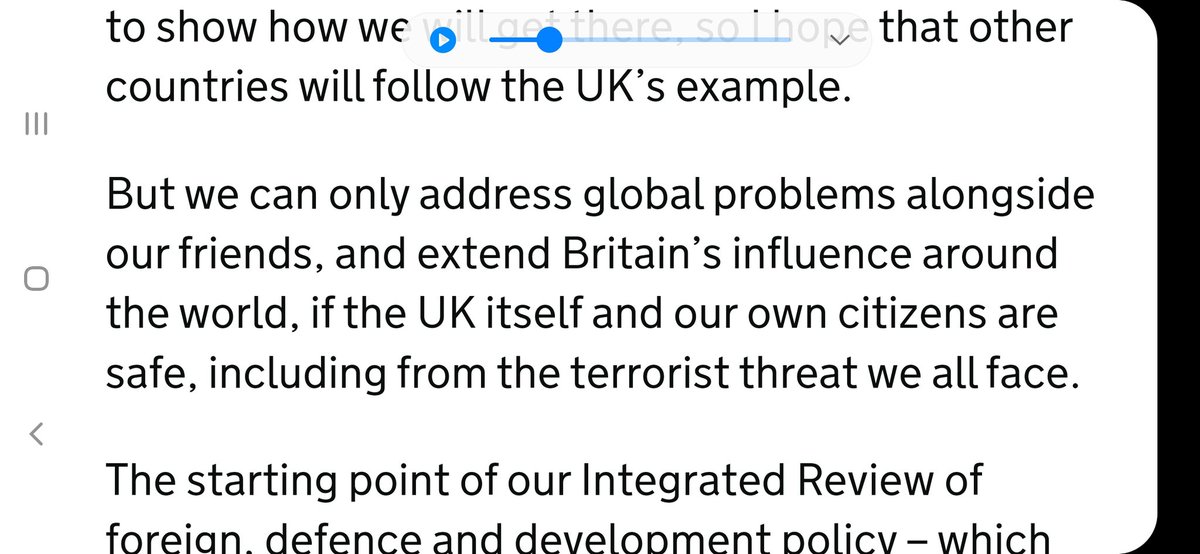
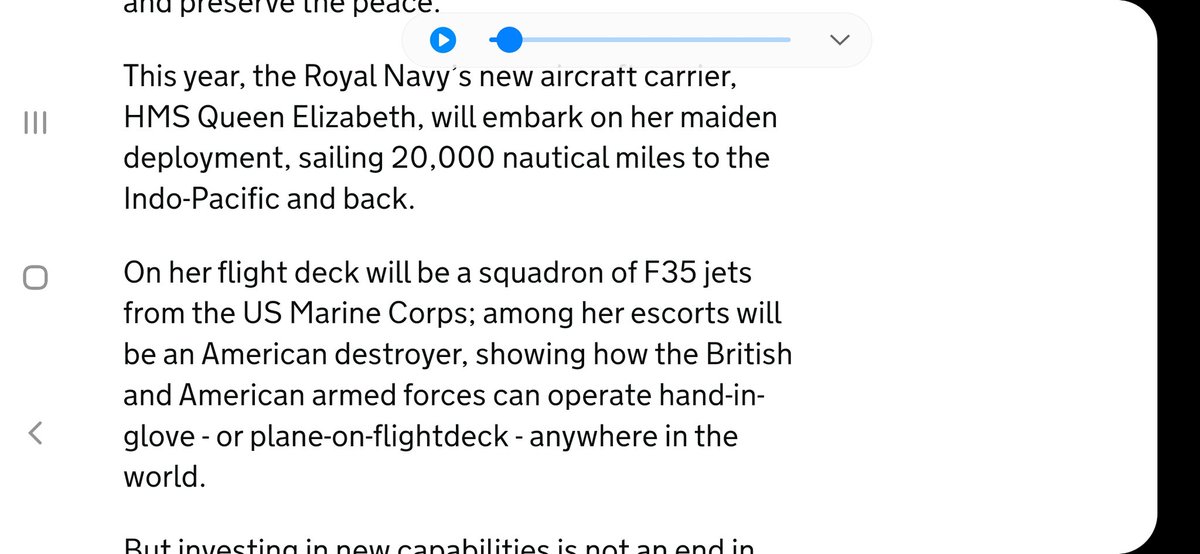
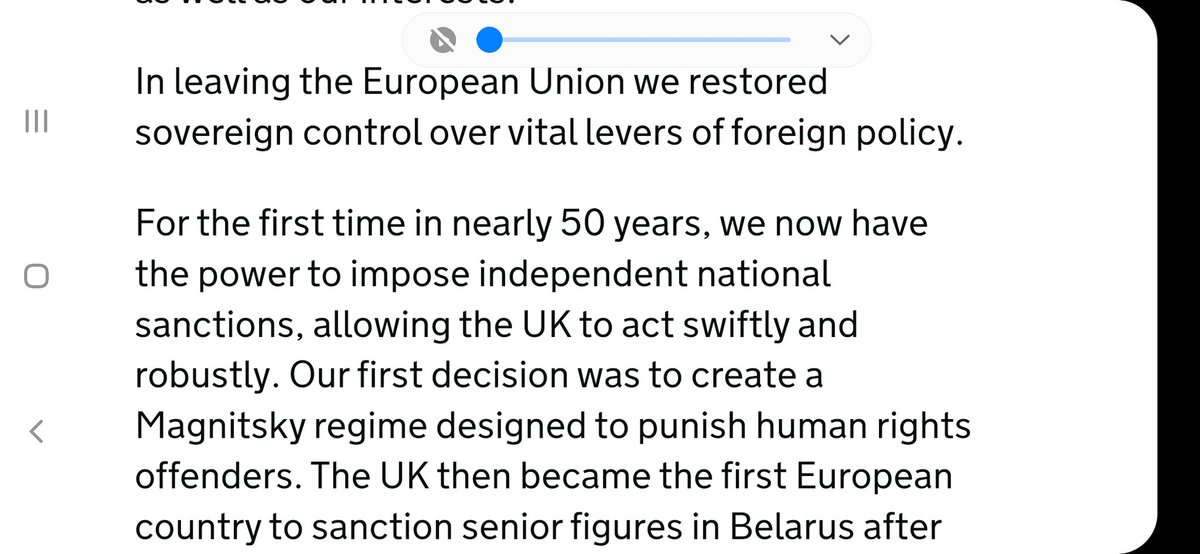
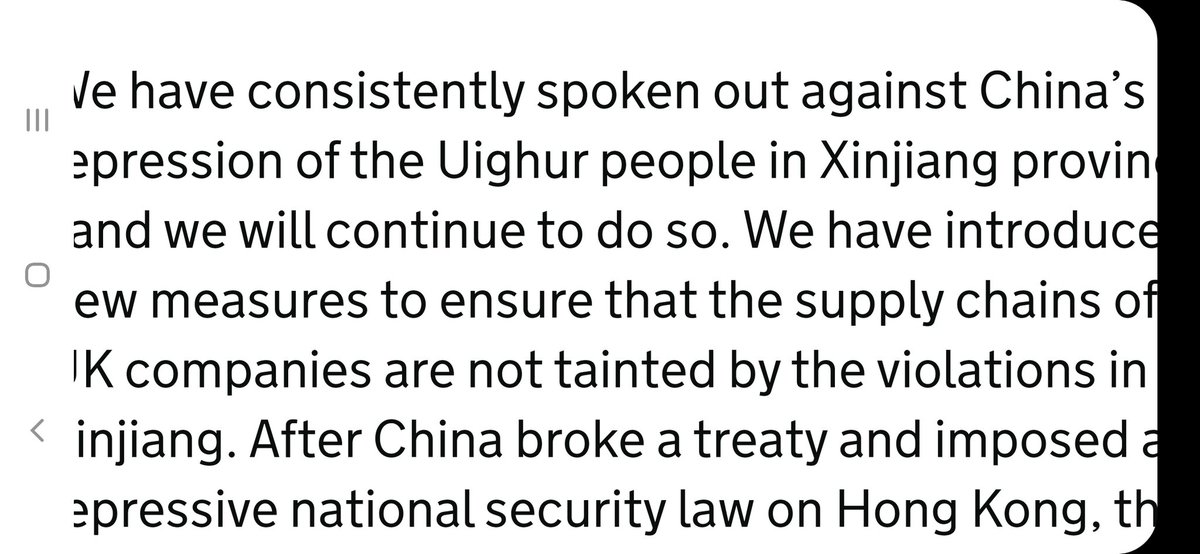
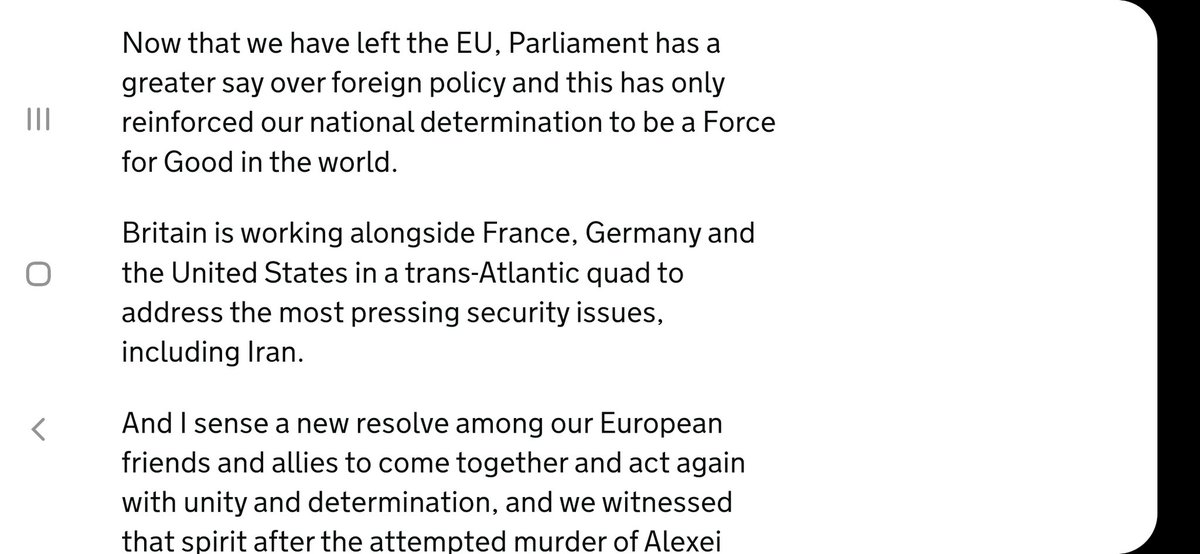
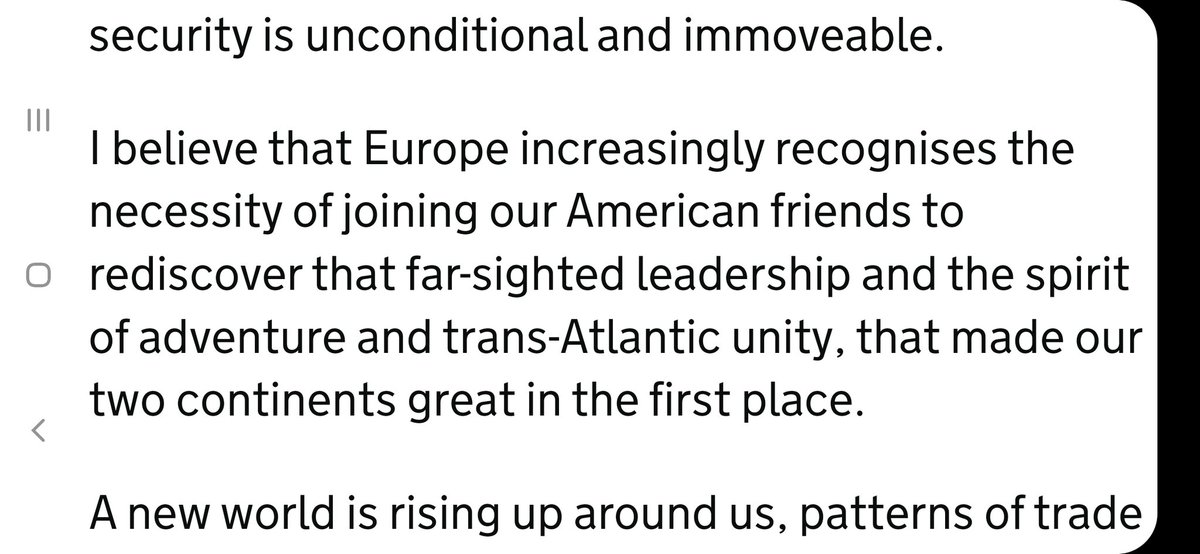
Why is Johnson's speech at the Munich conference hailed in some quarters, even by some journalists that should know better, as "a major policy speech" with "substance"? I went to read it expecting for once to be pleasantly surprised. Alas! Thread


More from Government


Oh my Goodness!!!
I might have a panic attack due to excitement!!
Read this thread to the end...I just had an epiphany and my mind is blown. Actually, more than blown. More like OBLITERATED! This is the thing! This is the thing that will blow the entire thing out of the water!
Has this man been concealing his true identity?
Is this man a supposed 'dead' Seal Team Six soldier?
Witness protection to be kept safe until the right moment when all will be revealed?!
Who ELSE is alive that may have faked their death/gone into witness protection?

Were "golden tickets" inside the envelopes??

Are these "golden tickets" going to lead to their ultimate undoing?
Review crumbs on the board re: 'gold'.

#SEALTeam6 Trump re-tweeted this.

I might have a panic attack due to excitement!!
Read this thread to the end...I just had an epiphany and my mind is blown. Actually, more than blown. More like OBLITERATED! This is the thing! This is the thing that will blow the entire thing out of the water!
Tik Tok pic.twitter.com/8X3oMxvncP
— Scotty Mar10 (@Allenma15086871) December 29, 2020
Has this man been concealing his true identity?
Is this man a supposed 'dead' Seal Team Six soldier?
Witness protection to be kept safe until the right moment when all will be revealed?!
Who ELSE is alive that may have faked their death/gone into witness protection?
Were "golden tickets" inside the envelopes??
Are these "golden tickets" going to lead to their ultimate undoing?
Review crumbs on the board re: 'gold'.
#SEALTeam6 Trump re-tweeted this.


I don't normally do threads like this but I did want to provide some deeper thoughts on the below and why having a video game based on a real world war crime from the same people that received CIA funding isn't the best idea.
This will go pretty in depth FYI.
The core reason why I'm doing this thread is because:
1. It's clear the developers are marketing the game a certain way.
2. This is based on something that actually happened, a war crime no less. I don't have issues with shooter games in general ofc.
Firstly, It's important to acknowledge that the Iraq war was an illegal war, based on lies, a desire for regime change and control of resources in the region.
These were lies that people believed and still believe to this day.
It's also important to mention that the action taken by these aggressors is the reason there was a battle in Fallujah in the first place. People became resistance fighters because they were left with nothing but death and destruction all around them after the illegal invasion.
This is where one of the first red flags comes up.
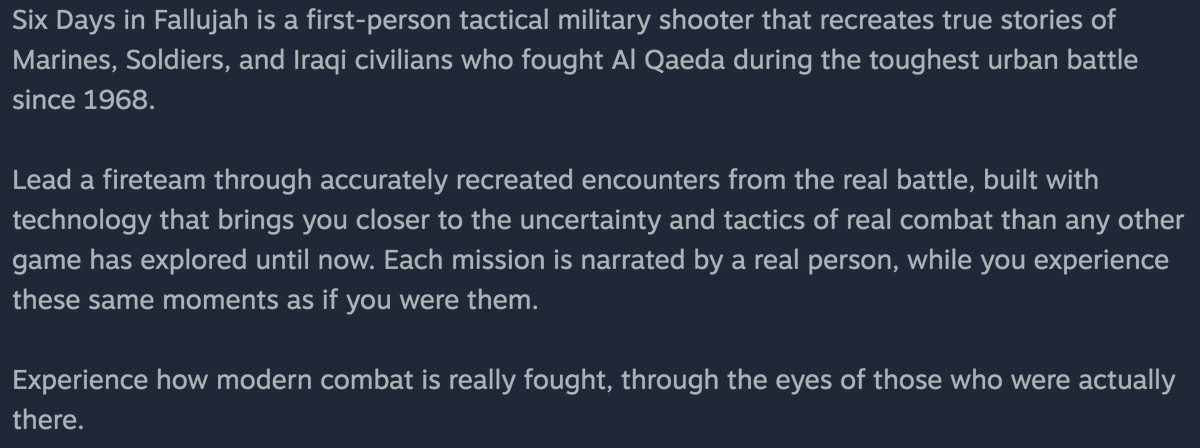
The game is very much from an American point of view, as shown in the description.
When it mentions Iraqi civilians, it doesn't talk about them as victims, but mentions them as being pro US, fighting alongside them.
This will go pretty in depth FYI.
I couldn't possibly guess why Six Days in Fallujah is being revived at a time when US army recruitment is at an all time low.
— Daniel Ahmad (@ZhugeEX) February 11, 2021
This reboot is from the same people that worked with the FBI and CIA on training systems and is basing its game on excusing US war crimes. pic.twitter.com/5H8vVqKh9s
The core reason why I'm doing this thread is because:
1. It's clear the developers are marketing the game a certain way.
2. This is based on something that actually happened, a war crime no less. I don't have issues with shooter games in general ofc.
Firstly, It's important to acknowledge that the Iraq war was an illegal war, based on lies, a desire for regime change and control of resources in the region.
These were lies that people believed and still believe to this day.
It's also important to mention that the action taken by these aggressors is the reason there was a battle in Fallujah in the first place. People became resistance fighters because they were left with nothing but death and destruction all around them after the illegal invasion.
This is where one of the first red flags comes up.
The game is very much from an American point of view, as shown in the description.
When it mentions Iraqi civilians, it doesn't talk about them as victims, but mentions them as being pro US, fighting alongside them.

You May Also Like


On the occasion of youtube 20k and Twitter 70k members
A small tribute/gift to members
Screeners
technical screeners - intraday and positional both
before proceeding - i have helped you , can i ask you so that it can help someone else too
thank you
positional one
run - find #stock - draw chart - find levels
1- Stocks closing daily 2% up from 5 days
https://t.co/gTZrYY3Nht
2- Weekly breakout
https://t.co/1f4ahEolYB
3- Breakouts in short term
https://t.co/BI4h0CdgO2
4- Bullish from last 5
intraday screeners
5- 15 minute Stock Breakouts
https://t.co/9eAo82iuNv
6- Intraday Buying seen in the past 15 minutes
https://t.co/XqAJKhLB5G
7- Stocks trading near day's high on 5 min chart with volume BO intraday
https://t.co/flHmm6QXmo
Thank you
A small tribute/gift to members
Screeners
technical screeners - intraday and positional both
before proceeding - i have helped you , can i ask you so that it can help someone else too
thank you
positional one
run - find #stock - draw chart - find levels
1- Stocks closing daily 2% up from 5 days
https://t.co/gTZrYY3Nht
2- Weekly breakout
https://t.co/1f4ahEolYB
3- Breakouts in short term
https://t.co/BI4h0CdgO2
4- Bullish from last 5
intraday screeners
5- 15 minute Stock Breakouts
https://t.co/9eAo82iuNv
6- Intraday Buying seen in the past 15 minutes
https://t.co/XqAJKhLB5G
7- Stocks trading near day's high on 5 min chart with volume BO intraday
https://t.co/flHmm6QXmo
Thank you

The first area to focus on is diversity. This has become a dogma in the tech world, and despite the fact that tech is one of the most meritocratic industries in the world, there are constant efforts to promote diversity at the expense of fairness, merit and competency. Examples:
USC's Interactive Media & Games Division cancels all-star panel that included top-tier game developers who were invited to share their experiences with students. Why? Because there were no women on the
ElectronConf is a conf which chooses presenters based on blind auditions; the identity, gender, and race of the speaker is not known to the selection team. The results of that merit-based approach was an all-male panel. So they cancelled the conference.
Apple's head of diversity (a black woman) got in trouble for promoting a vision of diversity that is at odds with contemporary progressive dogma. (She left the company shortly after this
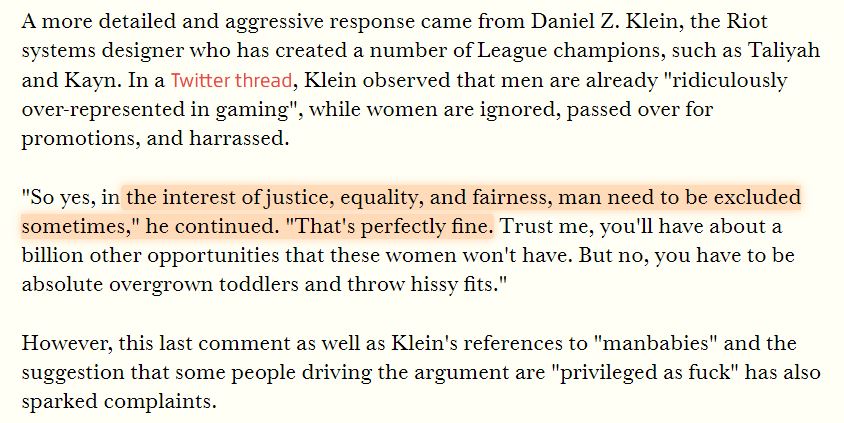
Also in the name of diversity, there is unabashed discrimination against men (especially white men) in tech, in both hiring policies and in other arenas. One such example is this, a developer workshop that specifically excluded men: https://t.co/N0SkH4hR35
USC's Interactive Media & Games Division cancels all-star panel that included top-tier game developers who were invited to share their experiences with students. Why? Because there were no women on the
ElectronConf is a conf which chooses presenters based on blind auditions; the identity, gender, and race of the speaker is not known to the selection team. The results of that merit-based approach was an all-male panel. So they cancelled the conference.
Apple's head of diversity (a black woman) got in trouble for promoting a vision of diversity that is at odds with contemporary progressive dogma. (She left the company shortly after this
Also in the name of diversity, there is unabashed discrimination against men (especially white men) in tech, in both hiring policies and in other arenas. One such example is this, a developer workshop that specifically excluded men: https://t.co/N0SkH4hR35