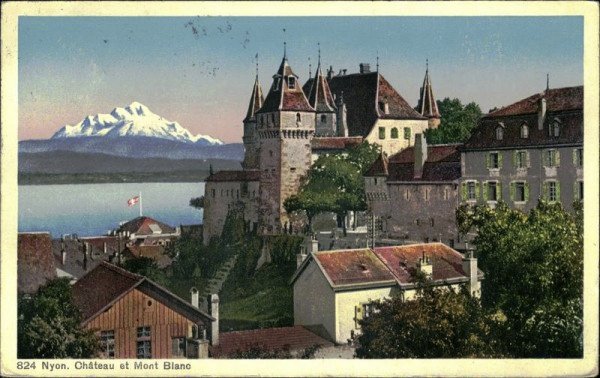
I used to feel apart from things, alienated. I couldn't enjoy beauty or family. I live in a staggeringly beautiful place, but I couldn't enjoy the view or lake or mountains, because I know climate change is destroying glaciers & ecosystems. 2/
https://t.co/rvq2eRiXgC
Every day I had a hard time with my kid, putting on a brave face to get him to school and back, knowing every moment that I am somehow not doing enough to preserve his future. That he & his friends are being harmed, every day more, by our industrial and economic systems. 3/
What my therapist helped me understand is that I am right to have those feelings - it would be insane not to, given what I know about the state & direction of the world. But she also helped me understand that I was harming myself by putting myself apart from & above my world. 4/
In my previous worldview, I was apart from, in opposition to, my environment and my society. I saw myself as a lonely witness of devastation, howling helplessly and with little effect to try to change a disastrous trajectory, resentful of the ignorance & inaction of others. 5/
Now, I am learning to see myself as part of it all. Part of the good and bad, the wisdom and ignorance, the learning and change, the beauty and destruction, the past and the future. I am not apart from my surroundings, a superior and remote bystander. I'm in it, part of it. 6/
I can now enjoy the lake and the mountains. Yes they are being destroyed, every day. Yes, I am doing too little to halt that destruction, every day. But I am part of them. They are part of me. We are in this together. I am on their side, and they on mine. 7/
My struggle is *with* them, not *for* them. Same for my kid. Yes his future looks grim. No, I am not succeeding in protecting him. But I am with him in this. We are together. I am not a remote force, looking on helplessly, but an ally, a family member, a friend. 8/
So that's it. That's my big recent insight: that we can harm ourselves and each other simply by wanting to see ourselves as outside and apart from the world, by wanting to see ourselves as impartial witnesses or saviours. 9/
And we can heal when we learn to see ourselves as part of the world, as part of the great messy flow of landscapes and people and ideas and actions that make up our time and lives. We suffer, the world suffers. We rejoice - there is also joy in the world. 10/
We help others, we benefit from help. We learn, we teach. Anyway, this may seem trite, but I can now look out of my window at this 👇 without suffering, which is huge for me. I am not failing it: I am part of it. End/