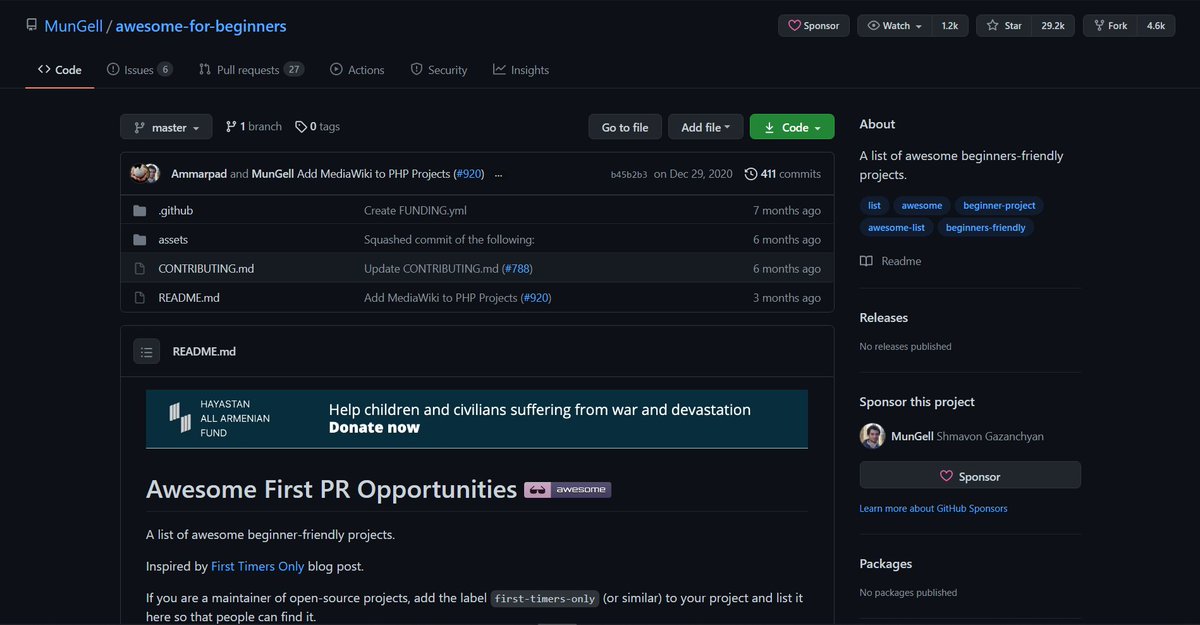
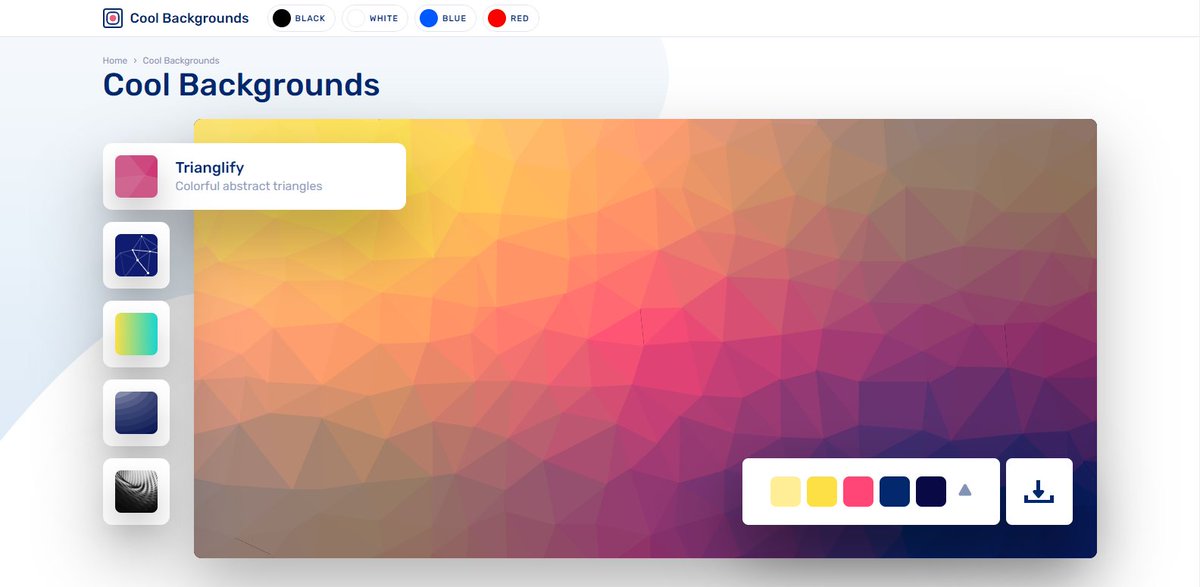
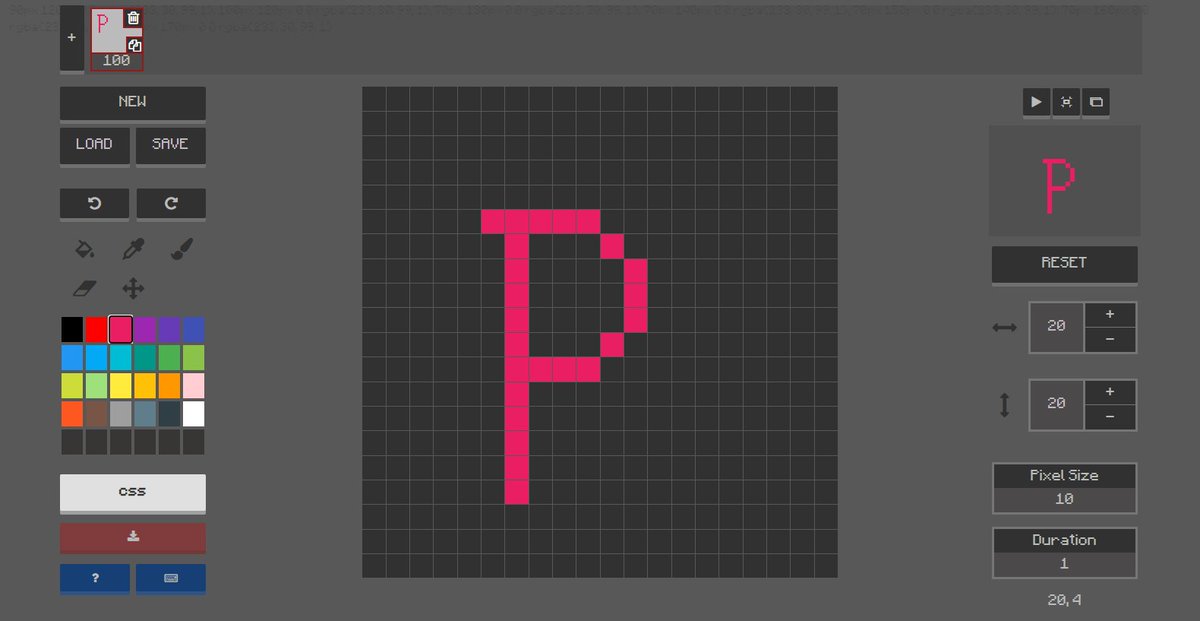
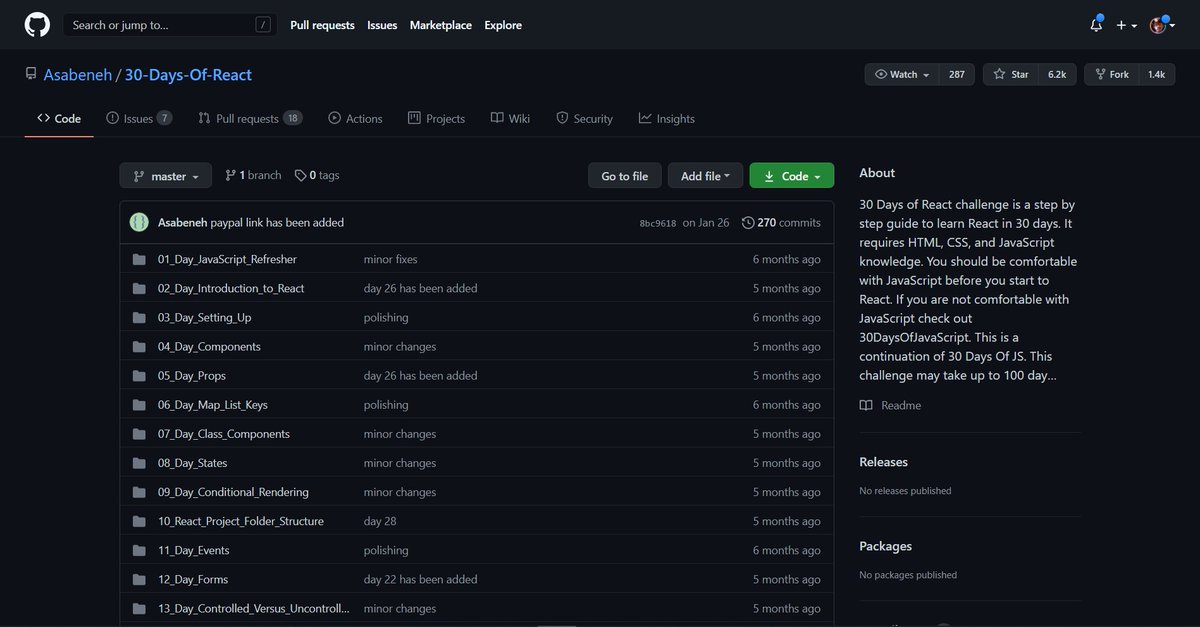
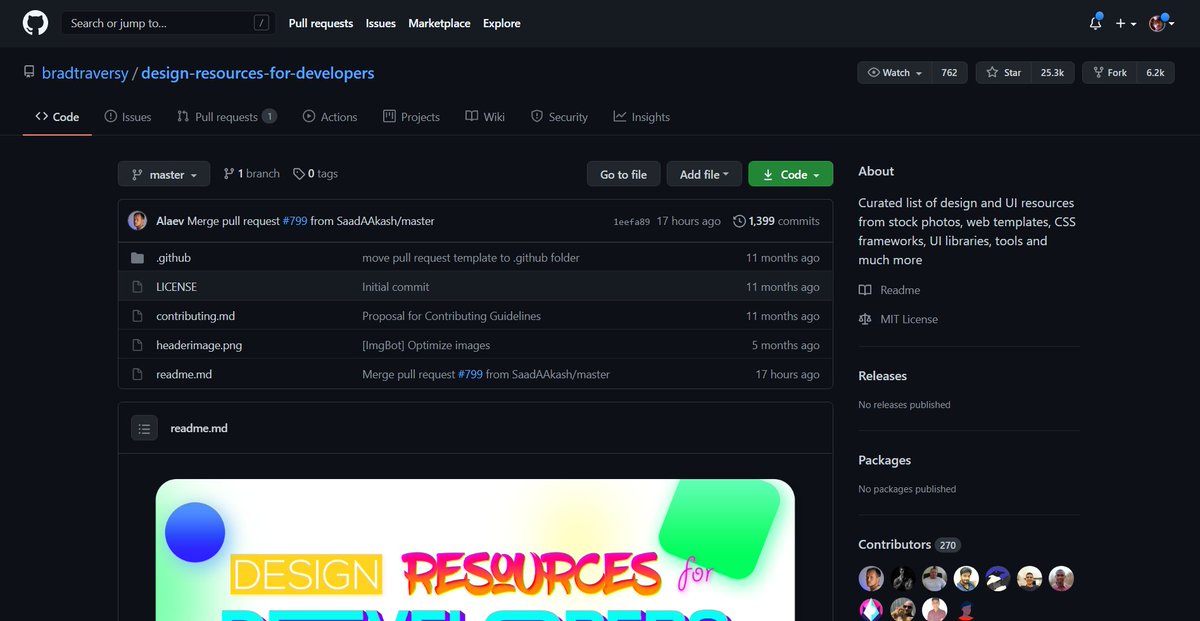
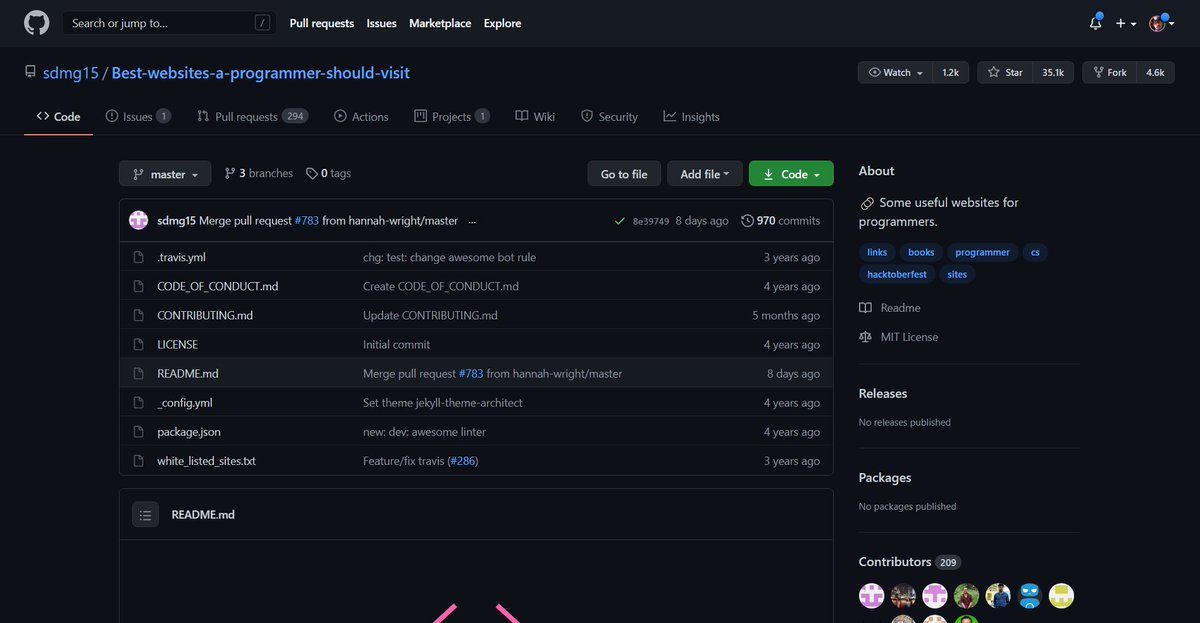
- A list of awesome beginners-friendly projects.
🔗 https://t.co/4ycLUOE52j


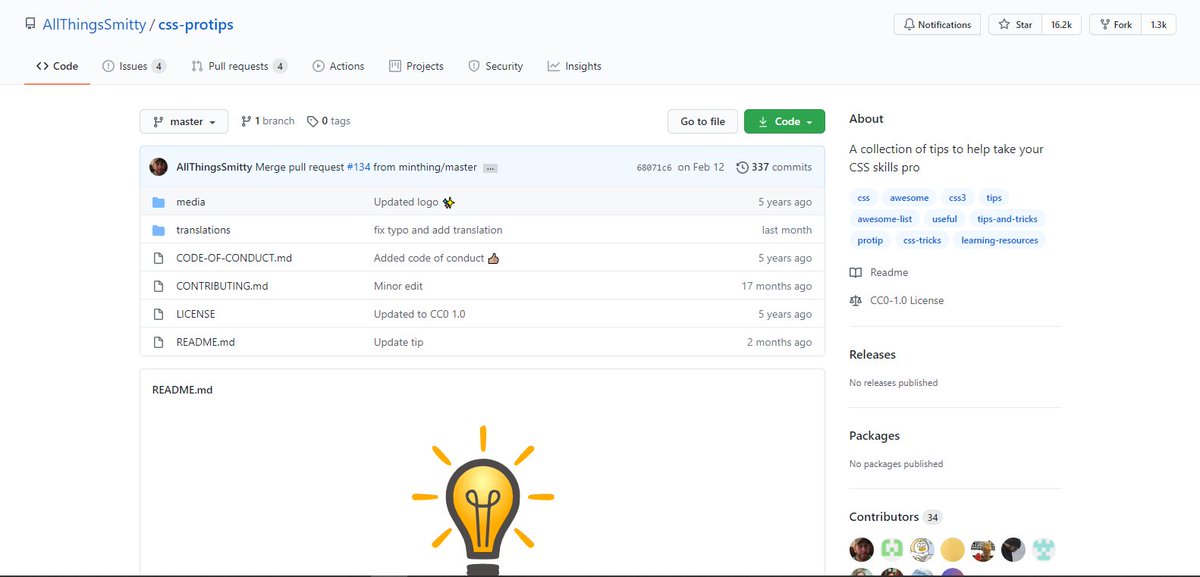
CSS Tip\U0001f4a1
— Pratham (@Prathkum) February 11, 2021
Enable smooth scrolling for the whole page\U0001f447 pic.twitter.com/E7QERt6V3Y
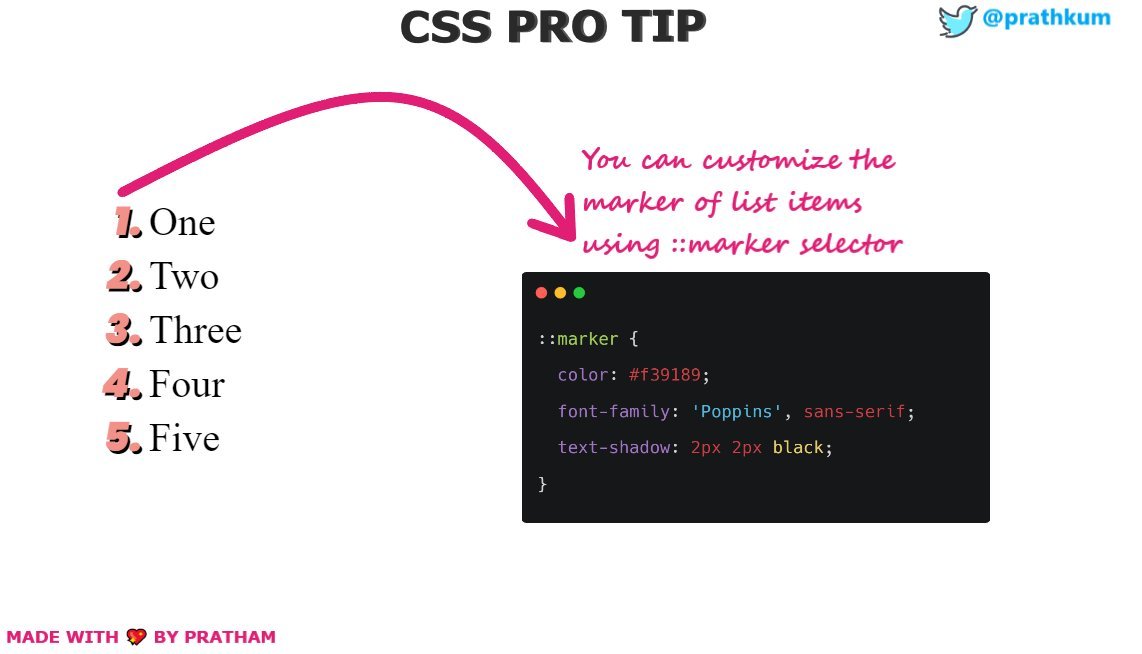
CSS Pro Tip \U0001f3a8
— Pratham (@Prathkum) April 11, 2021
You can style the subtitles of video on your website using ::cue pseudo-element pic.twitter.com/fV56PmxkX7
CSS tip\U0001f3a8
— Pratham (@Prathkum) February 23, 2021
You can change the input caret color using CSS\U0001f447
\u27b8 The\xa0caret\xa0is typically a thin vertical line that flashes to help the text area more noticeable pic.twitter.com/VA0paD7d2a
I'm increasingly interested in the idea of "personal moats" in the context of careers.
— Erik Torenberg (@eriktorenberg) November 22, 2018
Moats should be:
- Hard to learn and hard to do (but perhaps easier for you)
- Skills that are rare and valuable
- Legible
- Compounding over time
- Unique to your own talents & interests https://t.co/bB3k1YcH5b
People talk about \u201cpassive income\u201d a lot but not about \u201cpassive social capital\u201d or \u201cpassive networking\u201d or \u201cpassive knowledge gaining\u201d but that\u2019s what you can architect if you have a thing and it grows over time without intensive constant effort to sustain it
— Andrew Chen (@andrewchen) November 22, 2018
Things that look like moats but likely aren\u2019t or may fade:
— Erik Torenberg (@eriktorenberg) November 22, 2018
- Proprietary networks
- Being something other than one of the best at any tournament style-game
- Many "awards"
- Twitter followers or general reach without "respect"
- Anything that depends on information asymmetry https://t.co/abjxesVIh9