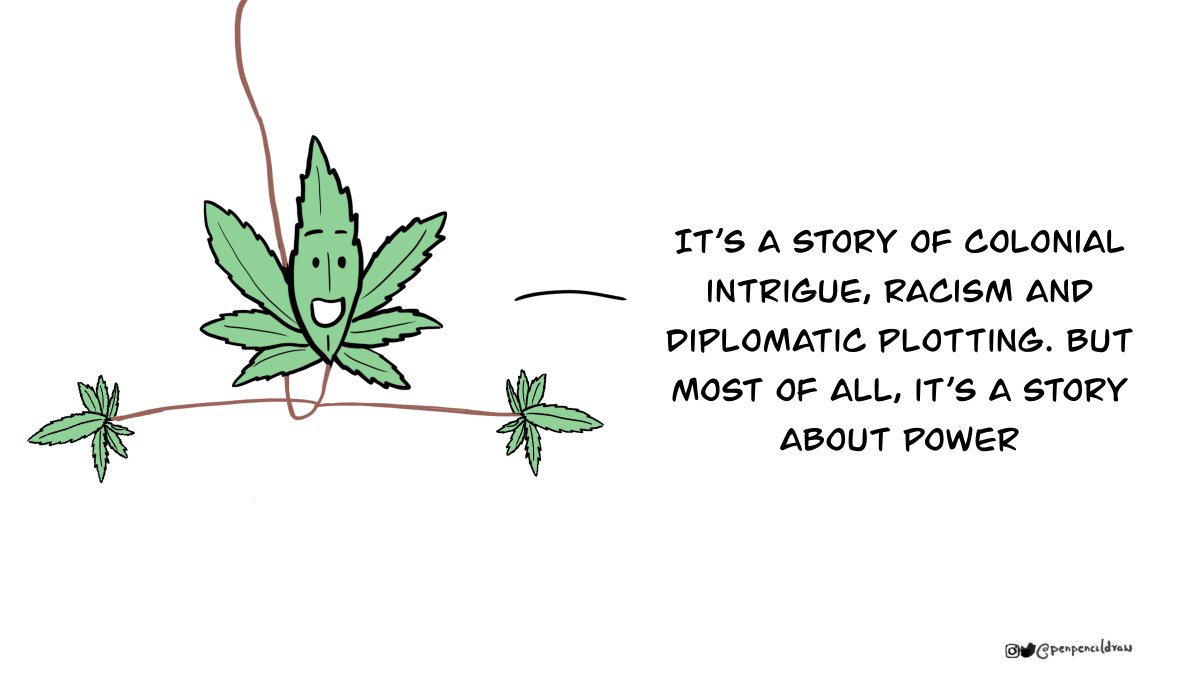
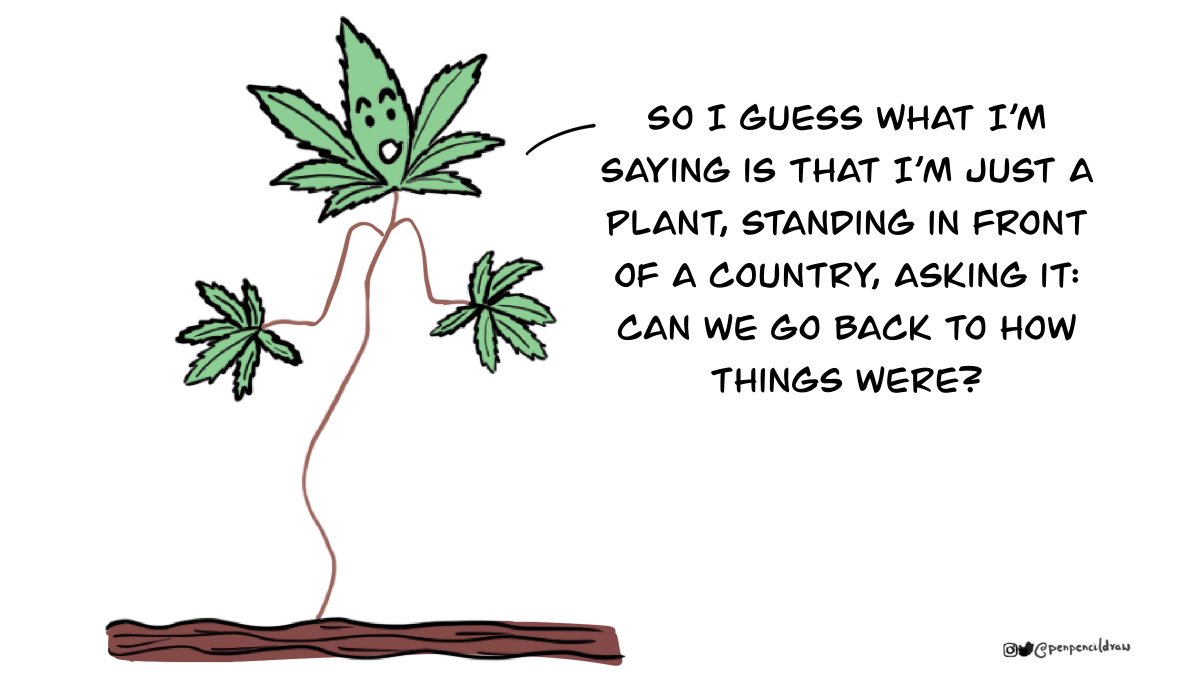
The bizarre history of cannabis in India: a cartoon history thread. (1/n)

The story of cannabis in India is long and convoluted.
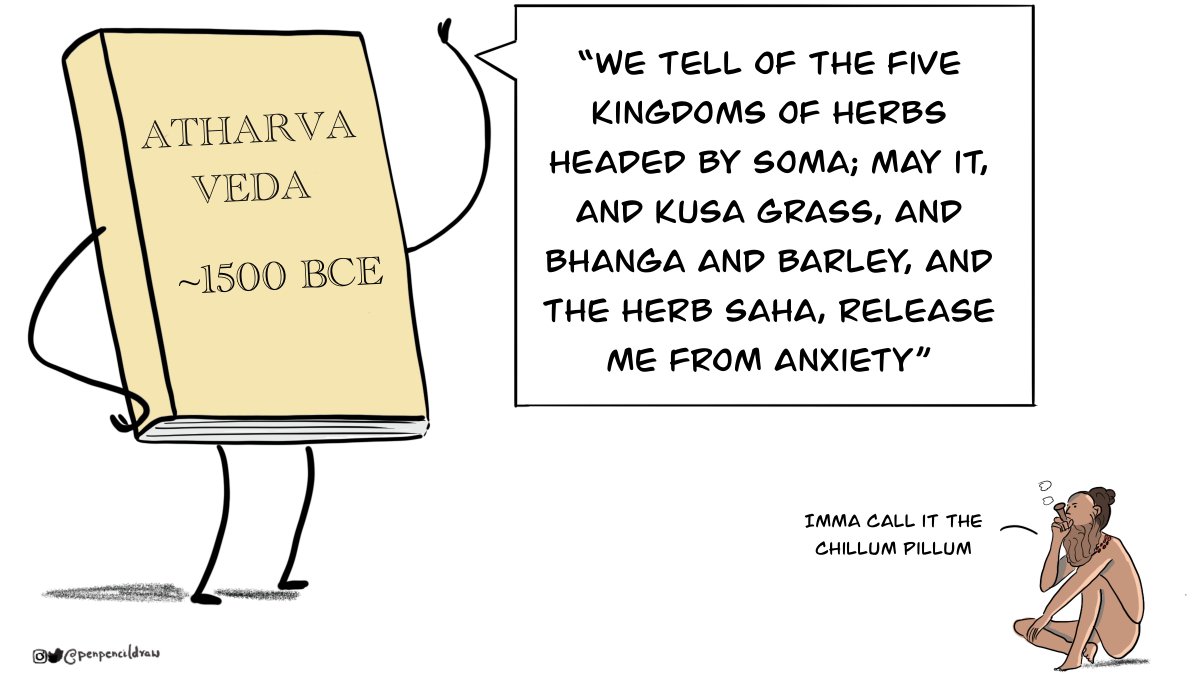
Ancient Indians knew of cannabis very well. https://t.co/HlJryX9UXp
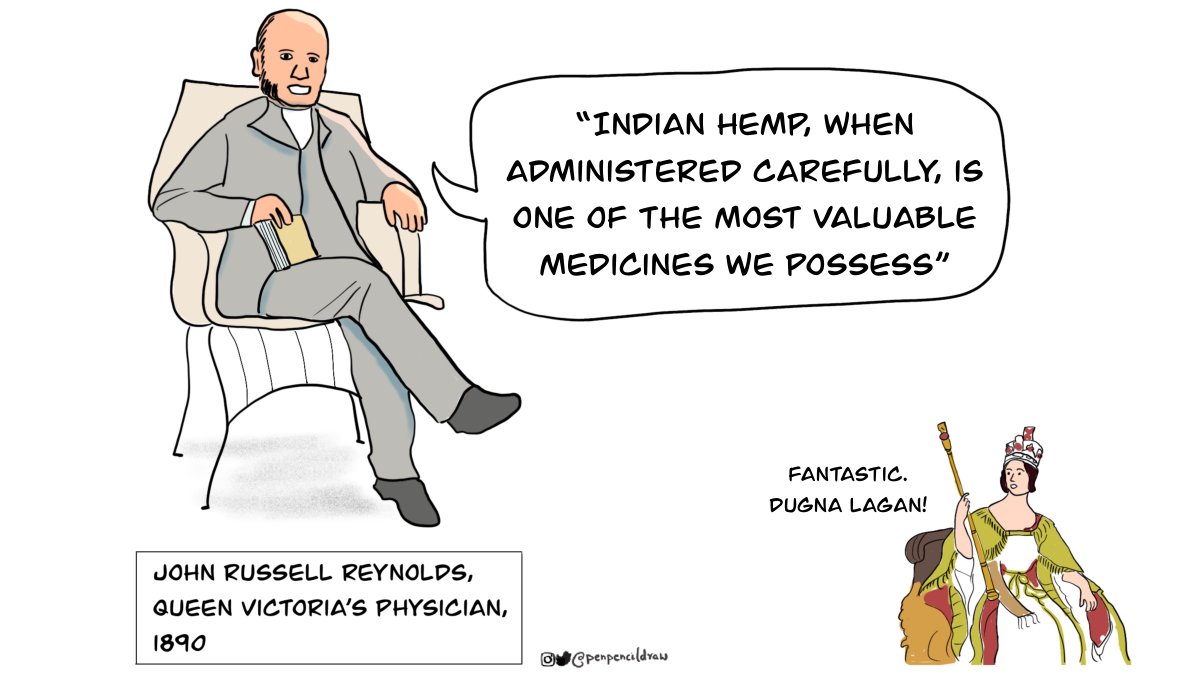
For hundreds of years, cannabis was used to treat everyday ailments, pain relief and recreation. And that lasted into colonial times. https://t.co/Nw4CpcQAHW
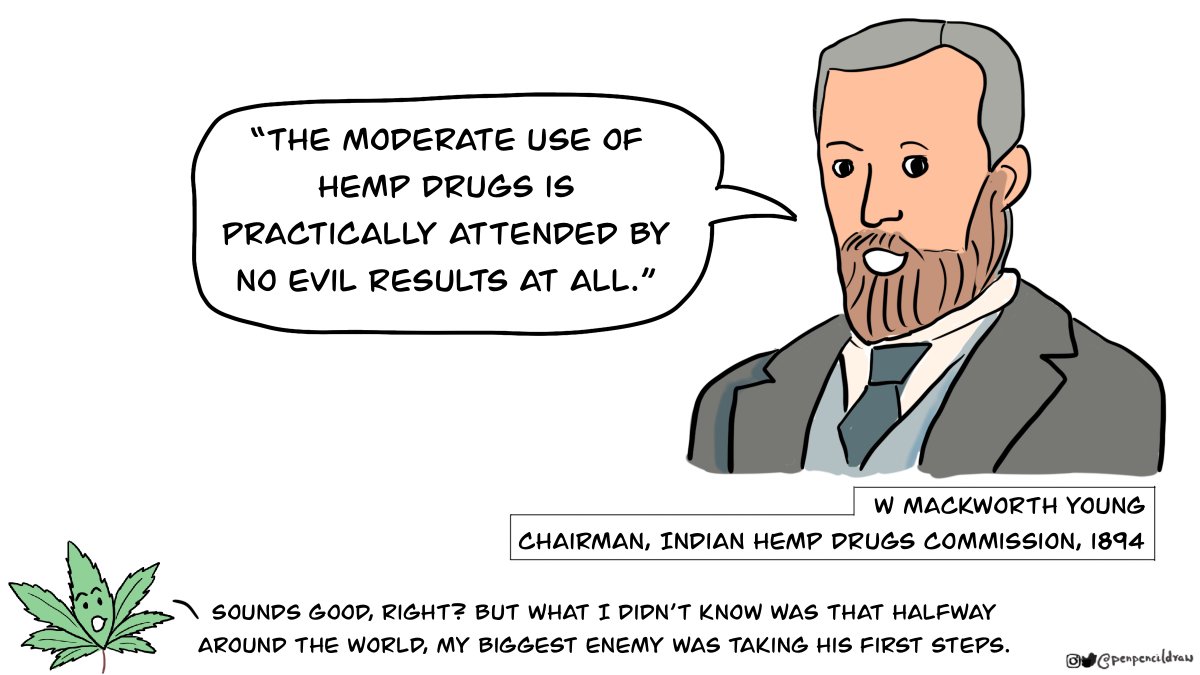
Some officials claimed that cannabis caused insanity, so the British set up the Indian Hemp Drugs Commission to investigate. It ended up recommending that cannabis not be banned, but more regulated and taxed. https://t.co/uc1OQ7sshd
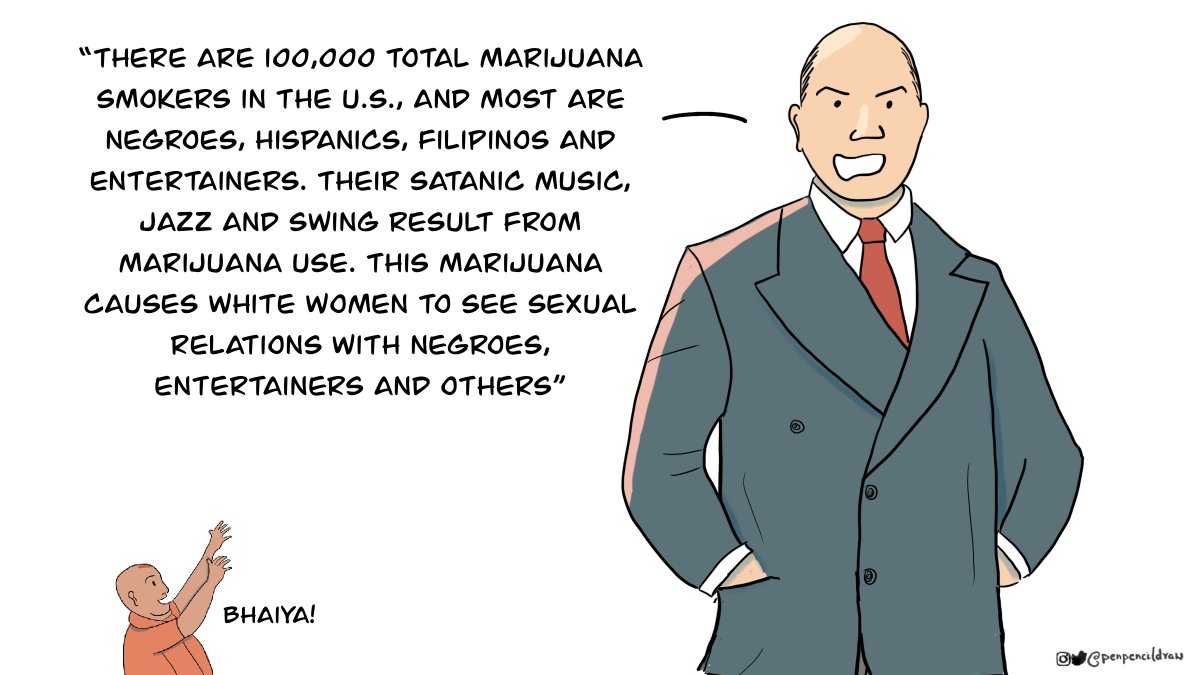
Harry Anslinger started his career enforcing US alcohol prohibition laws. When prohibition ended, he started attacking cannabis as a law enforcement problem. https://t.co/laVABWkRdJ
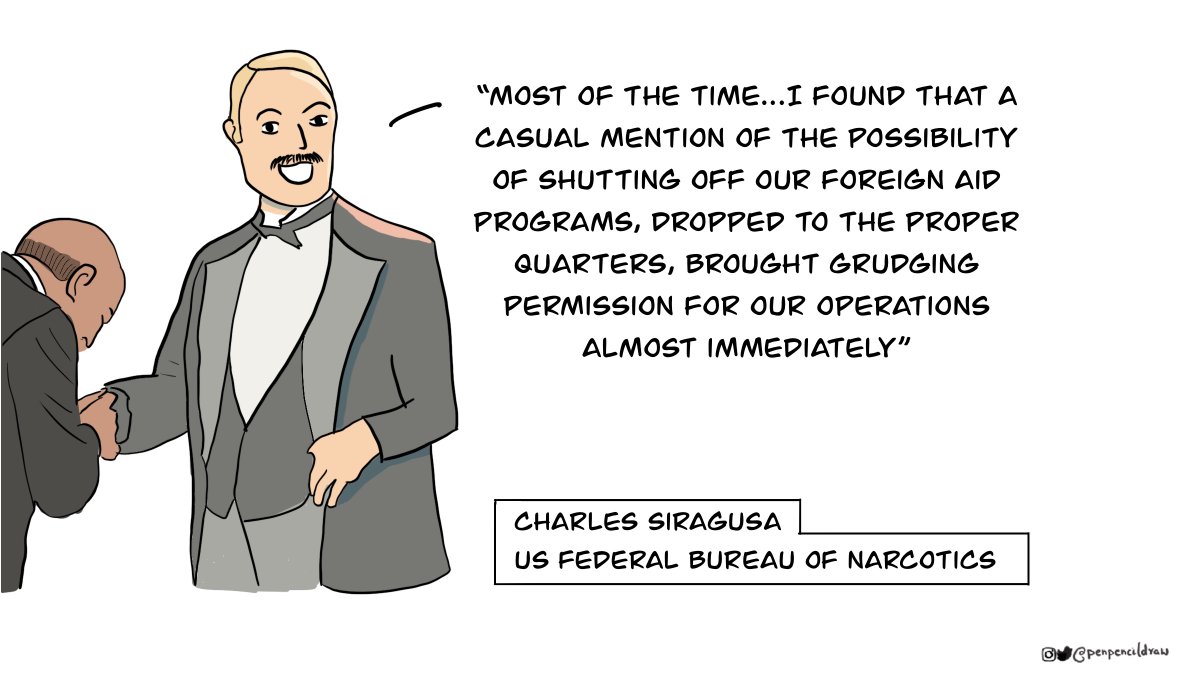
After World War II, the US became the world’s biggest superpower. Anslinger represented it at the UN’s new commission on narcotic drugs, and his agents began using US clout to influence global drug policy. https://t.co/xeUd3G4AvB
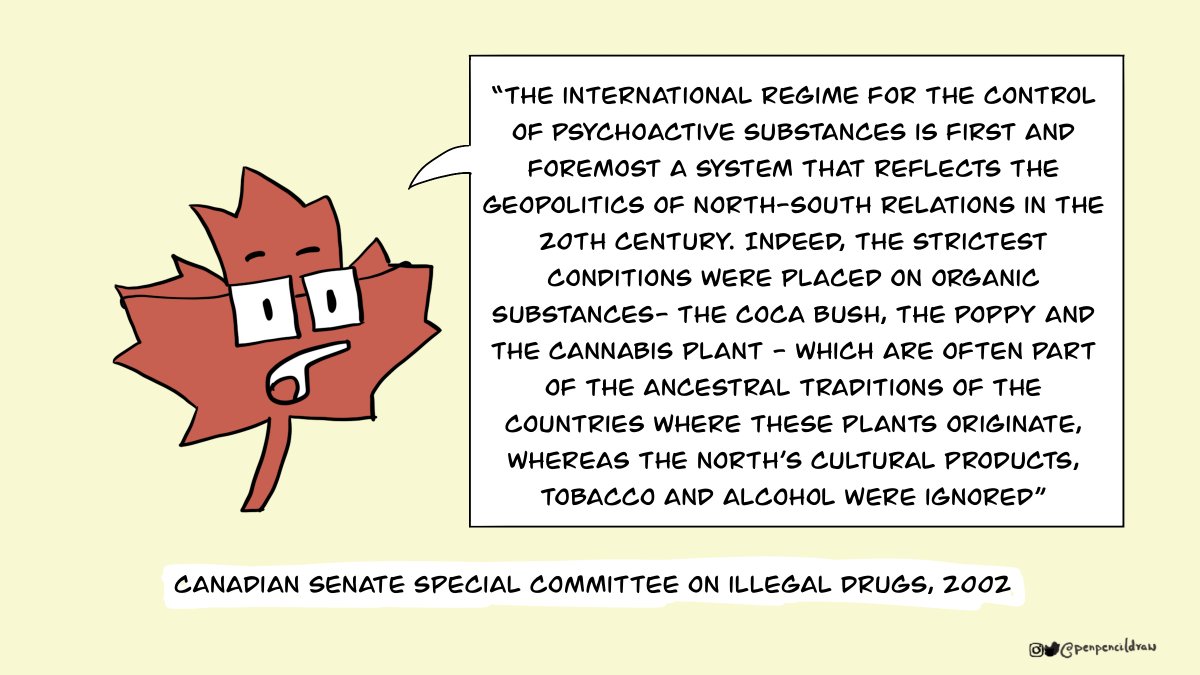
An aside: Global drug policy depends on who holds power and what benefits them. That’s partly why tobacco and alcohol are treated differently from cannabis. https://t.co/UoY5ikTxWm
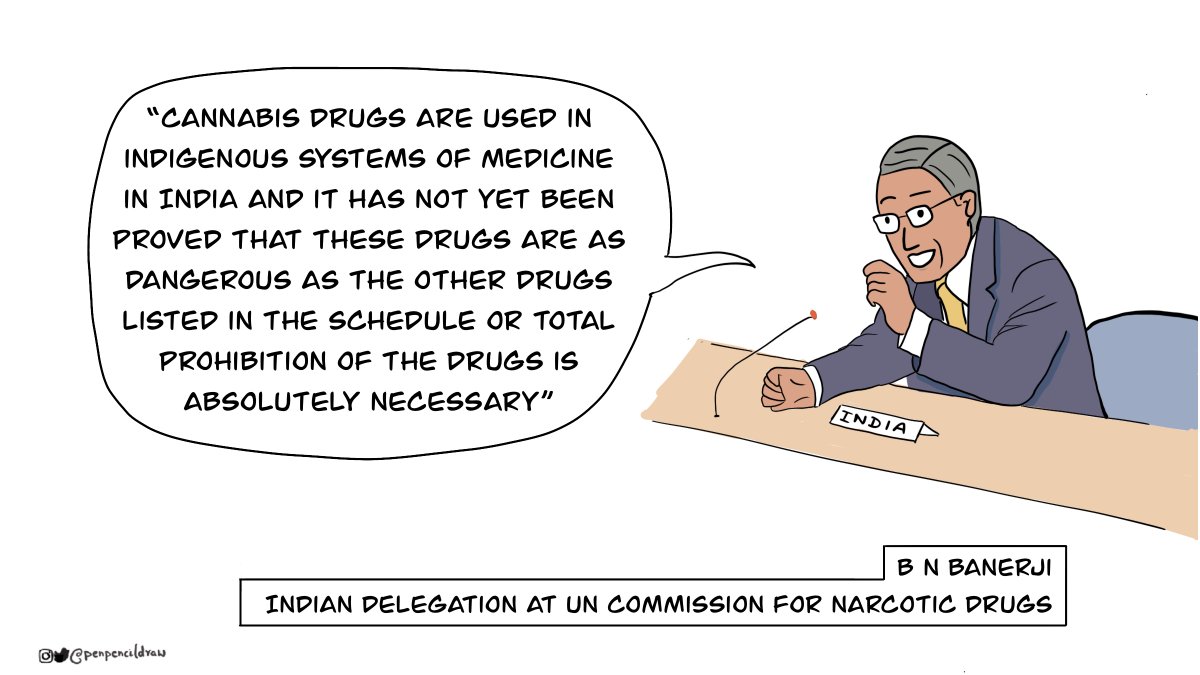
At the UN, the US pushed for an international treaty banning cannabis along with more dangerous drugs. But there was resistance, led by India. https://t.co/EoJ9lw5xHT
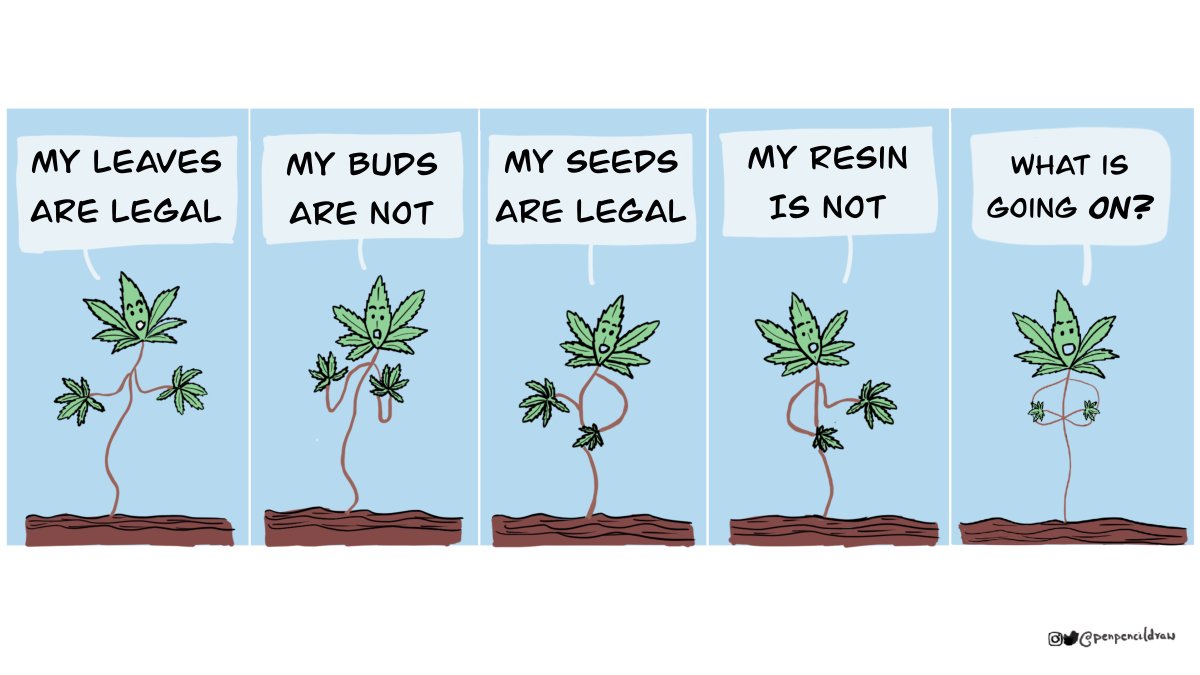
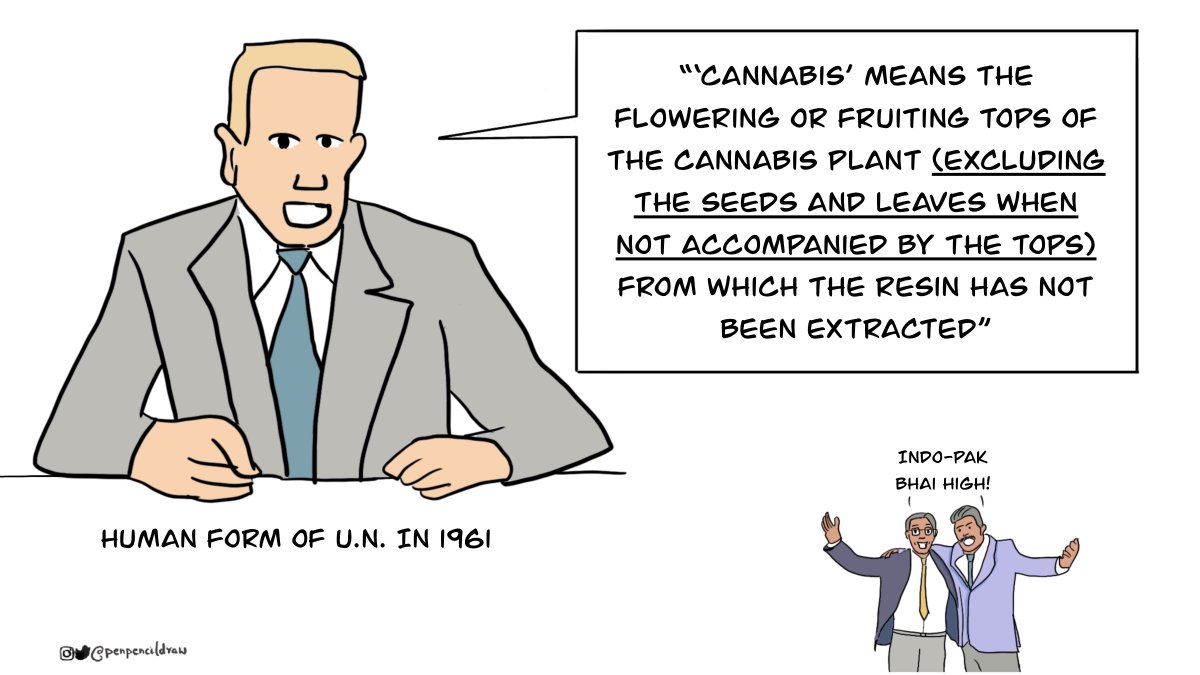
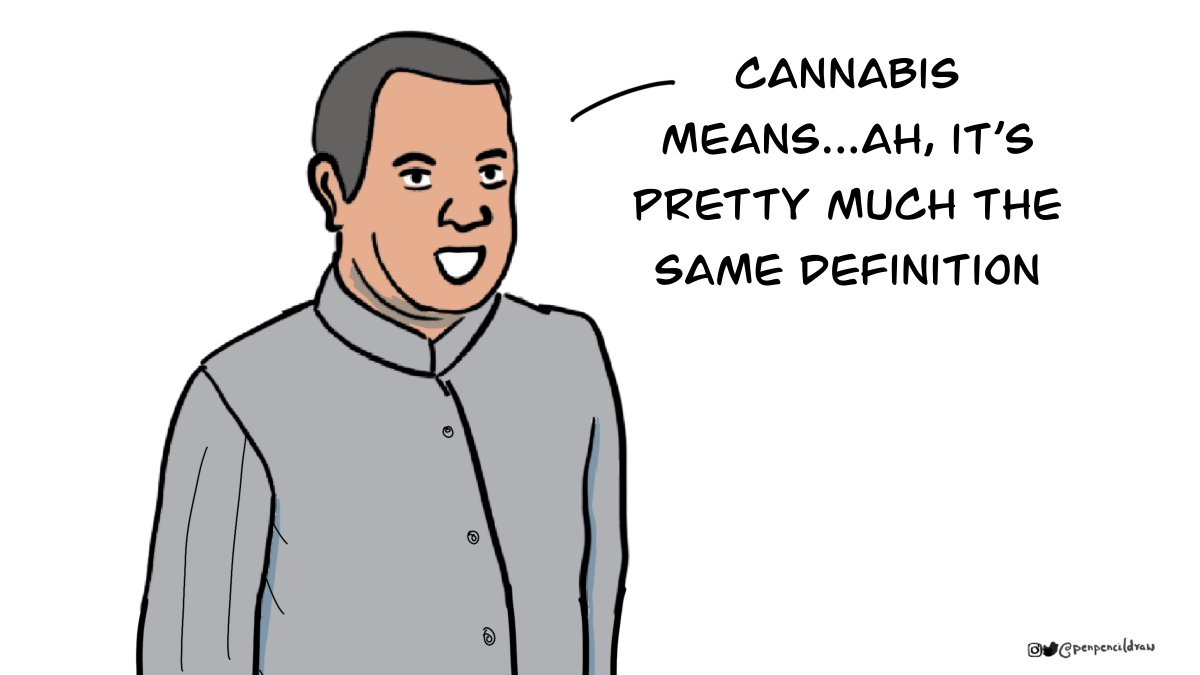
Eventually the UN Single Convention on Narcotic Drugs came about & cannabis was classified with dangerous drugs like heroin. But pressure from countries like India & Pakistan ensured some parts of the plant were protected, and governments were given 25 years to ban other uses.
The US went on to launch an ill-fated ‘war on drugs’. And in 1985, the Rajiv Gandhi government in India passed the Narcotic Drugs and Psychotropic Substances (NDPS) Act.
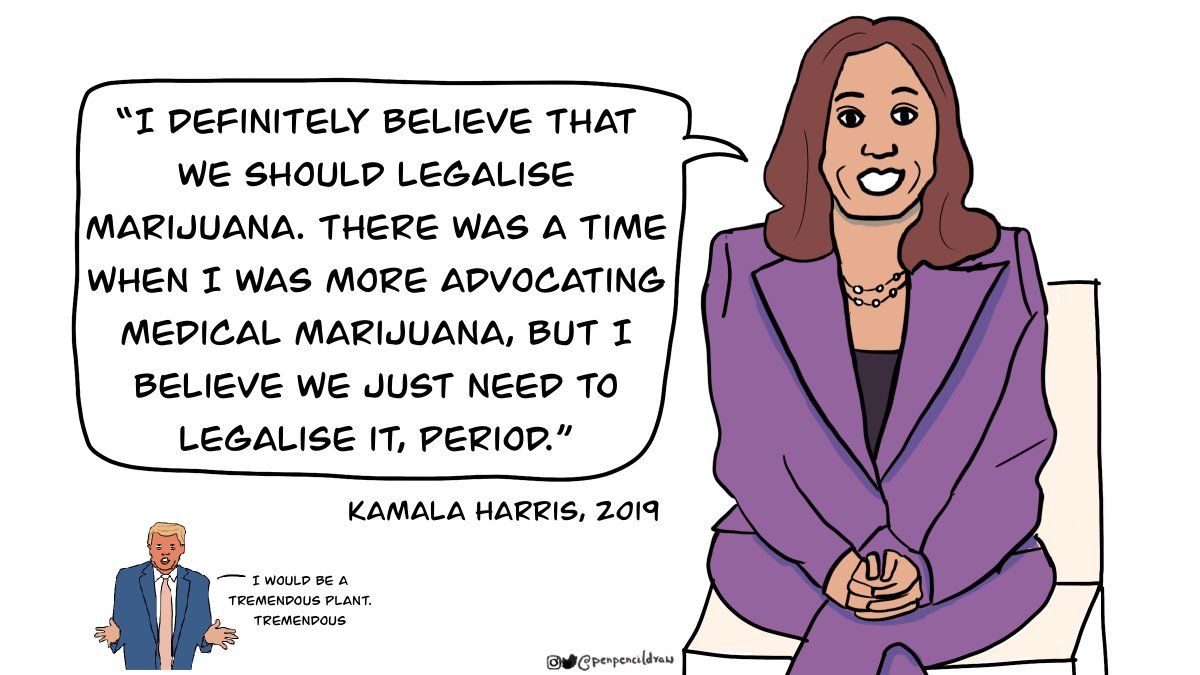
But today, many countries are turning the clock back on cannabis. Medical and recreational marijuana is now legal in several US states and in countries like Canada and South Africa. The US Congress has now passed a bill to decriminalize cannabis.
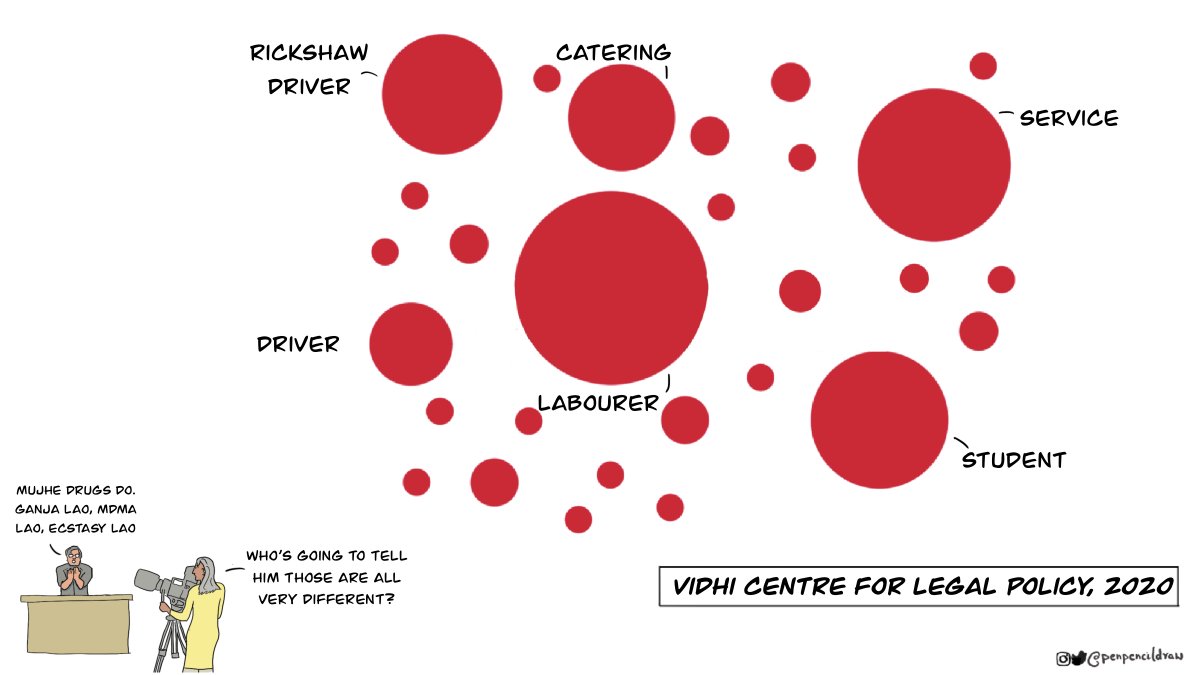
But in India, cannabis is now a villain. In Mumbai, which has the most NDPS arrests in the country, nine out of ten people arrested are not drug barons but cannabis users, most of them slum and street-dwellers. https://t.co/uH8hQrwjFD
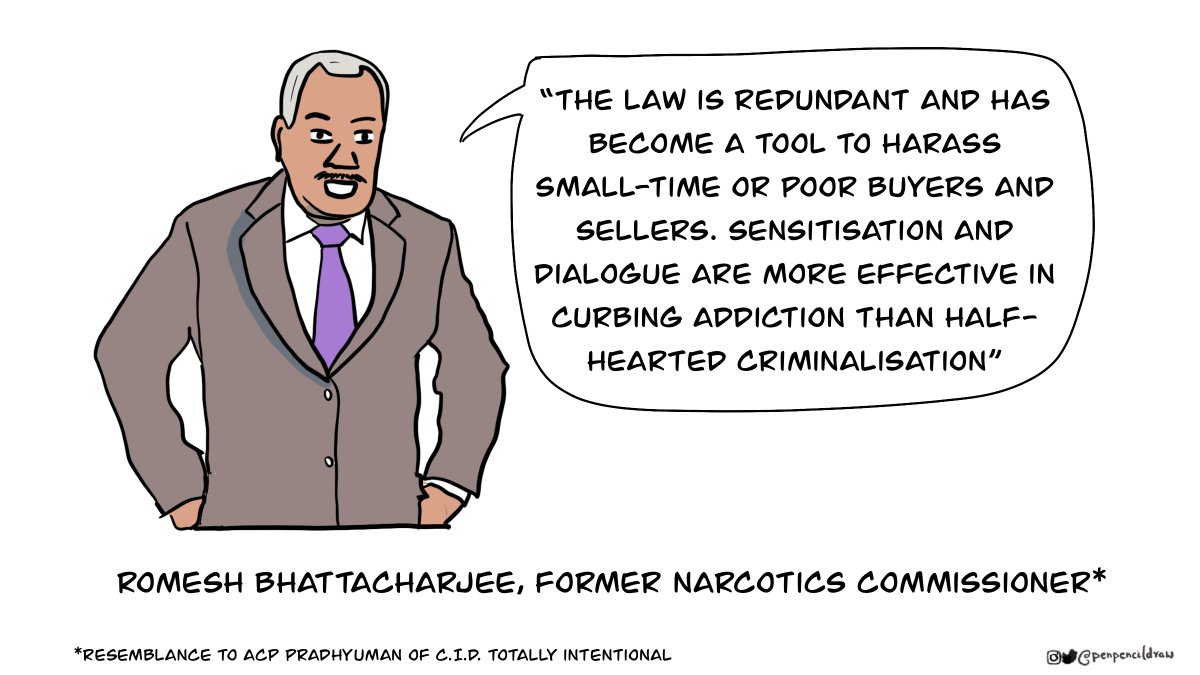
Many experts agree that drug addiction is better treated as a public health issue, and that cannabis should be decriminalized and regulated. https://t.co/sqQO5rUkh5
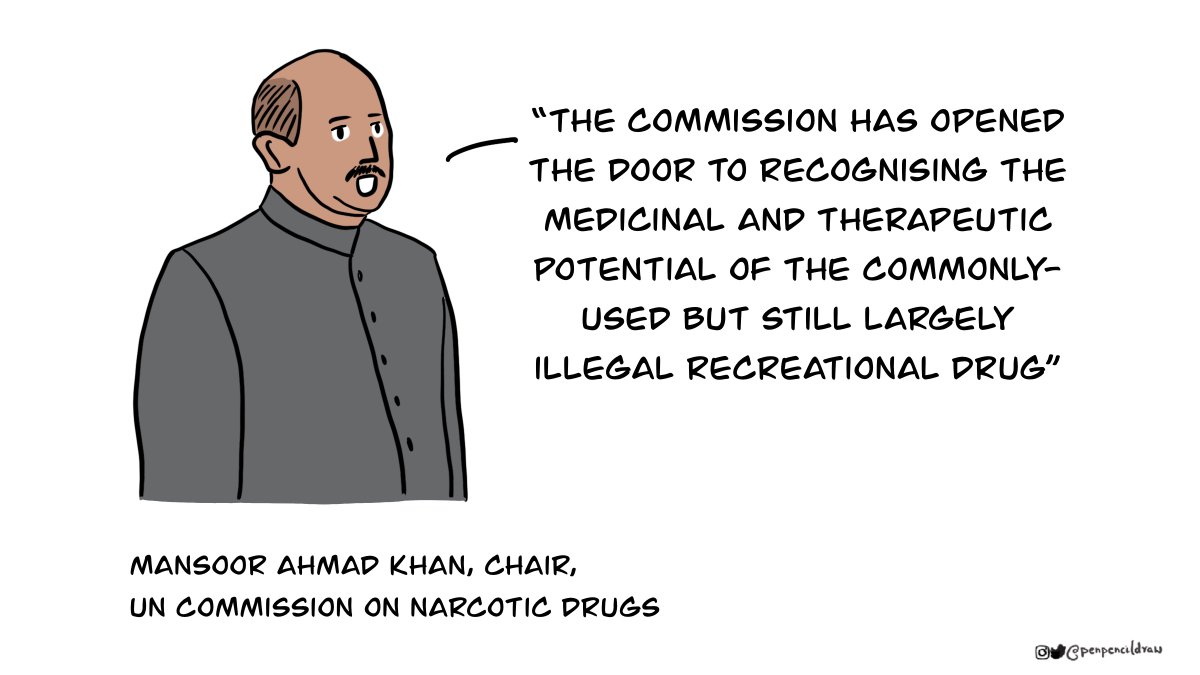
Last week, the UN narcotics commission, based on World Health Organization recommendations, removed cannabis from its list of most dangerous substances. https://t.co/rzvlymrpci
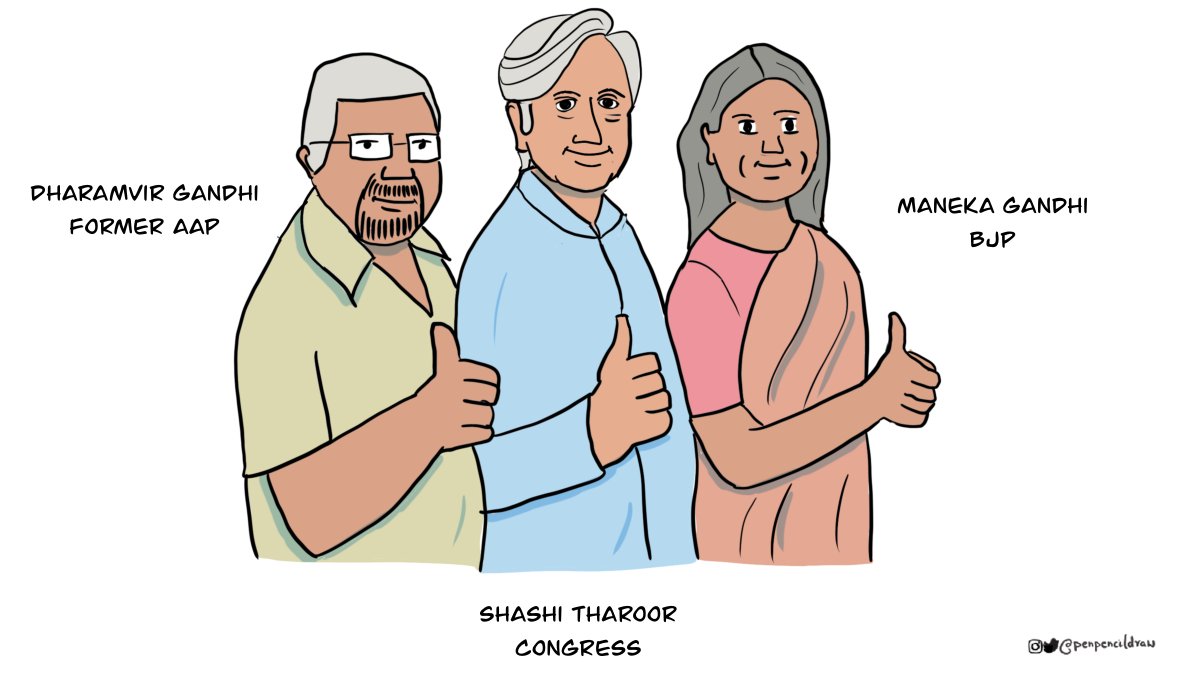
Before India's current crackdown on cannabis, some politicians across parties have said they are in favour of decriminalising and regulating it.
Fin.

You May Also Like

https://t.co/6cRR2B3jBE
Viruses and other pathogens are often studied as stand-alone entities, despite that, in nature, they mostly live in multispecies associations called biofilms—both externally and within the host.

https://t.co/FBfXhUrH5d


Microorganisms in biofilms are enclosed by an extracellular matrix that confers protection and improves survival. Previous studies have shown that viruses can secondarily colonize preexisting biofilms, and viral biofilms have also been described.


...we raise the perspective that CoVs can persistently infect bats due to their association with biofilm structures. This phenomenon potentially provides an optimal environment for nonpathogenic & well-adapted viruses to interact with the host, as well as for viral recombination.


Biofilms can also enhance virion viability in extracellular environments, such as on fomites and in aquatic sediments, allowing viral persistence and dissemination.
1/ Here’s a list of conversational frameworks I’ve picked up that have been helpful.

Please add your own.

2/ The Magic Question: "What would need to be true for you


3/ On evaluating where someone’s head is at regarding a topic they are being wishy-washy about or delaying.

“Gun to the head—what would you decide now?”

“Fast forward 6 months after your sabbatical--how would you decide: what criteria is most important to you?”

4/ Other Q’s re: decisions:

“Putting aside a list of pros/cons, what’s the *one* reason you’re doing this?” “Why is that the most important reason?”

“What’s end-game here?”

“What does success look like in a world where you pick that path?”

5/ When listening, after empathizing, and wanting to help them make their own decisions without imposing your world view:

“What would the best version of yourself do”?