The Board Meeting
The Board of Directors was caught in a deadlock situation. A secessionist state, called Freedom's Charter by its hard-bitten inhabitants, had somehow spawned almost overnight the month before.
One of the more junior functionaries started, almost imperceptibly, as his implant pinged, information scrolling up his vision.
"We do have Marshall," offered the junior functionary. His voice was quiet, his tone a clear indicator of how well he knew the suggestion would be taken.
The meeting room was silent for a long moment. "Pardon?"
"The possibilities for collateral damage are not to be ignored," replied Societal Well-Being. A cold snap, like ice, had tinged her voice.
The junior functionary took the moment to step back into the shadows surrounding the conference room's table.
"I think you will find that, channeled correctly, Marshall makes a fine asset," came the whisper-quiet voice of the Director of Philosophies.
"And there's the problem," replied Societal Well-Being, not missing a beat.
She paused, letting that sink in. Sentry was the Societal Protectorate's direct national opposition, and a constant thorn in their side.
"What about his freedom?" offered Philosophies, shaking himself from the grim remembrance.
Communications shook his head. “He'd never believe it, and rightfully so. He hates us, everything we stand for.”
“I have,” replied Philosophies from across the table. “It was a...singularly fascinating experience.
“Perhaps,” answered Philosophies. “Perhaps he simply doesn't understand it. He is, after all, nothing more than a soldier, and an outdated one, at that.”
“Enough!” interrupted Societal Well-Being. She smacked her hand down on the table as she came to her feet, fire in her eyes.
“Well, what does he believe in?” asked Peace and Order, still smiling.
Peace and Order shrugged. “I still think that deploying Marshall is our best bet.
“Wait,” Technologies seemed to perk up. “He can't be traced to us?”
“The public can simply subpoena access to the information, Peace and Order.
“Indeed, it was!” laughed the Director of Peace and Order.
Societal Well-Being's eyes widened, and she sat up, uncrossing her arms. “No.”
“But we still use the Mk. 11S, don't we?” asked the Director of Communications. Peace and Order nodded.
“If you rewrote the programs,” said Societal Well-Being through gritted teeth.
Peace and Order held up a single hand. “Now, now, Societal Well-Being, lets not get overly-excited. Technologies and I aren't idiots. We didn't include those past failures in our records.
The Board nodded collectively. It was common practice, a tactic that kept the public safe, removing tainted concepts from the social consciousness.
The Board nodded collectively. It was common practice, a tactic that kept the public safe, removing tainted concepts from the social consciousness.
“How, exactly, are riots in the city going to help anything?” snarled Societal Well-Being. “Do you even understand the concept of the greater societal good?!”
More from Business


The Mother of All Squeezes
How Volkswagen went from being on the brink of bankruptcy to the most valuable company in the world in two days
/THREAD/
1/ At the peak of the 2008 financial crisis, Volkswagen was considered a very likely candidate for bankruptcy.
Heavily indebted and already financially struggling before 2008, with car sales expected to plummet due to the ongoing global crisis.
2/ With GM and Chrysler filing for bankruptcy in 2009, shorting the VW stock would seem a safe bet.
If you are not familiar with stock shorts and short squeezes check my thread
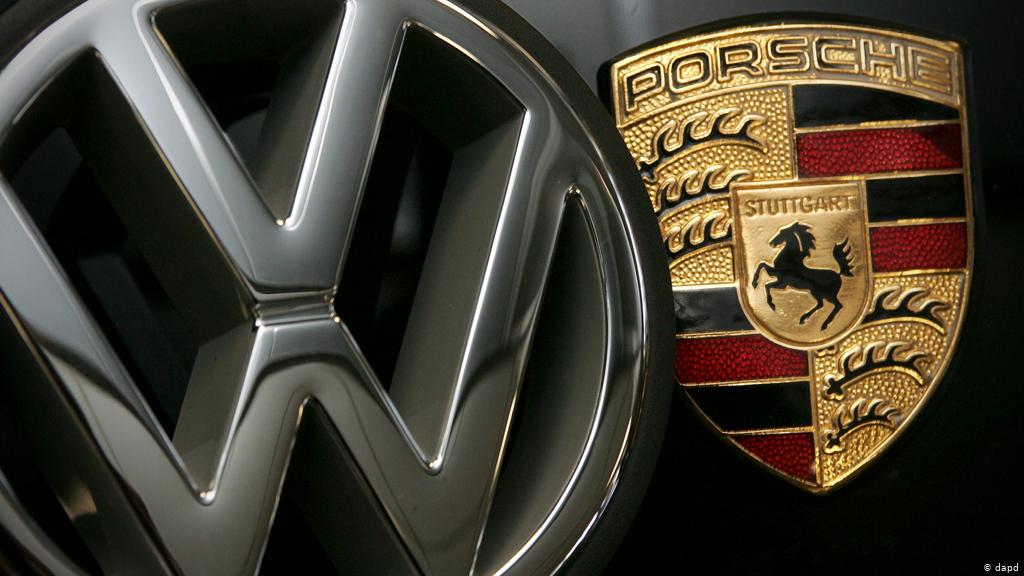
3/ On October 26, 2008, Porsche announced it had increased its stake at VW from 30% to 74%.
This was a surprise to many who were led to believe that Porsche wasn't planning a takeover of VW, based on the company's announcements.
4/ Before the announcement, the short interest was approximately 13% of the outstanding shares, a number considered relatively low.
Porsche had a 30% stake, the Lower Saxony government fund held 20% of the shares, and another 5% was held by index funds.
How Volkswagen went from being on the brink of bankruptcy to the most valuable company in the world in two days
/THREAD/
1/ At the peak of the 2008 financial crisis, Volkswagen was considered a very likely candidate for bankruptcy.
Heavily indebted and already financially struggling before 2008, with car sales expected to plummet due to the ongoing global crisis.
2/ With GM and Chrysler filing for bankruptcy in 2009, shorting the VW stock would seem a safe bet.
If you are not familiar with stock shorts and short squeezes check my thread
Shorts, Squeezes, and Betting Against Stocks
— Kostas on FIRE \U0001f525 (@itsKostasOnFIRE) January 27, 2021
What is short selling, how is it used and why is it risky?
/THREAD/ pic.twitter.com/PyDd208hFe
3/ On October 26, 2008, Porsche announced it had increased its stake at VW from 30% to 74%.
This was a surprise to many who were led to believe that Porsche wasn't planning a takeover of VW, based on the company's announcements.
4/ Before the announcement, the short interest was approximately 13% of the outstanding shares, a number considered relatively low.
Porsche had a 30% stake, the Lower Saxony government fund held 20% of the shares, and another 5% was held by index funds.



You May Also Like



Fake chats claiming to be from the Irish African community are being disseminated by the far right in order to suggest that violence is imminent from #BLM supporters. This is straight out of the QAnon and Proud Boys playbook. Spread the word. Protest safely. #georgenkencho

There is co-ordination across the far right in Ireland now to stir both left and right in the hopes of creating a race war. Think critically! Fascists see the tragic killing of #georgenkencho, the grief of his community and pending investigation as a flashpoint for action.
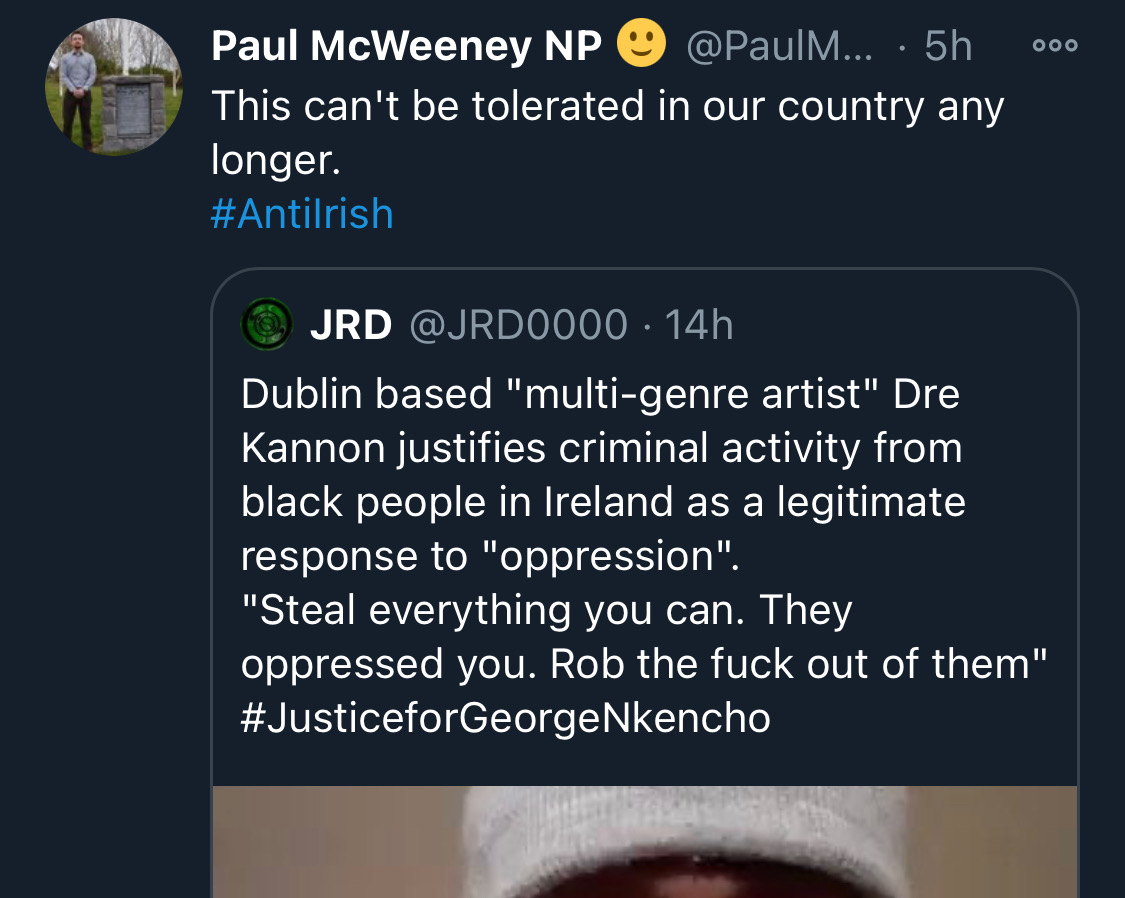
Across Telegram, Twitter and Facebook disinformation is being peddled on the back of these tragic events. From false photographs to the tactics ofwhite supremacy, the far right is clumsily trying to drive hate against minority groups and figureheads.
Declan Ganley’s Burkean group and the incel wing of National Party (Gearóid Murphy, Mick O’Keeffe & Co.) as well as all the usuals are concerted in their efforts to demonstrate their white supremacist cred. The quiet parts are today being said out loud.
The best thing you can do is challenge disinformation and report posts where engagement isn’t appropriate. Many of these are blatantly racist posts designed to drive recruitment to NP and other Nationalist groups. By all means protest but stay safe.
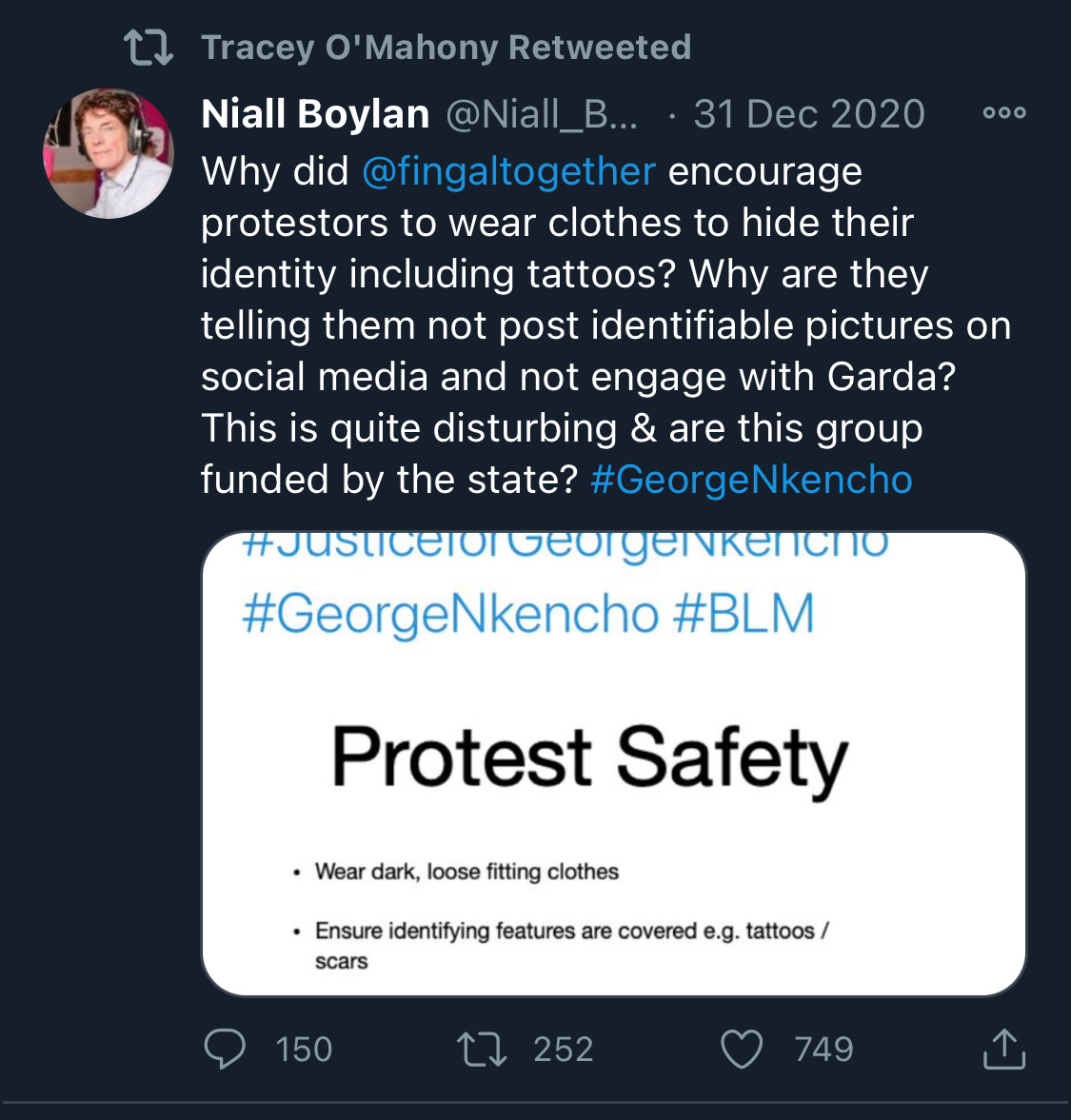
There is co-ordination across the far right in Ireland now to stir both left and right in the hopes of creating a race war. Think critically! Fascists see the tragic killing of #georgenkencho, the grief of his community and pending investigation as a flashpoint for action.
Across Telegram, Twitter and Facebook disinformation is being peddled on the back of these tragic events. From false photographs to the tactics ofwhite supremacy, the far right is clumsily trying to drive hate against minority groups and figureheads.
Be aware, the images the #farright are sharing in the hopes of starting a race war, are not of the SPAR employee that was punched. They\u2019re older photos of a Everton fan. Be aware of the information you\u2019re sharing and that it may be false. Always #factcheck #GeorgeNkencho pic.twitter.com/4c9w4CMk5h
— antifa.drone (@antifa_drone) December 31, 2020
Declan Ganley’s Burkean group and the incel wing of National Party (Gearóid Murphy, Mick O’Keeffe & Co.) as well as all the usuals are concerted in their efforts to demonstrate their white supremacist cred. The quiet parts are today being said out loud.
There is a concerted effort in far-right Telegram groups to try and incite violence on street by targetting people for racist online abuse following the killing of George Nkencho
— Mark Malone (@soundmigration) January 1, 2021
This follows on and is part of a misinformation campaign to polarise communities at this time.
The best thing you can do is challenge disinformation and report posts where engagement isn’t appropriate. Many of these are blatantly racist posts designed to drive recruitment to NP and other Nationalist groups. By all means protest but stay safe.