1/ On Ikigai
Because of Hustle Con,
@myfirstmilpod, Sam's network.
He's seen behind the scenes of hundreds of businesses.
You don't NEED to love what you do, but having a sense of purpose certainly helps.
It removes a lot of luck and pain.
2/ On Starting Small
The key is to start small.
A small but intense fire is the goal.
Vision is thinking about a big, motivating goal. The future.
Execution is the early days, which are minuscule and just a fraction of the vision.
Think about both. They guide one another.
3/ On Inflections
Really big startups are often accompanied by inflection points.
Events or culture shifts that poured gas on the fire of their product.
Examples:
• Twitter + Rise of iPhone
• Bitcoin + Financial Situation of 2012
4/ Types of Inflections:
- Adoption Inflections
- Belief Inflections
- Regulatory Inflections
- Market/Technology Inflections
Inflections should be understood even before markets.
Entrepreneurs who live in the present tend to make the mistake of starting with the market first.
5/ On Research:
But you need insight to act on inflections.
Seeking out insights are great ways to help discover inflections.
Think through “What could go right?” to different scenarios.
Research to iterate and expand.
6/ There are 5 main research methodologies:
1. Reverse Engineer
2. Media Spend
3. Databases and Media
4. Unbundling
5. Cultural Shifts
Let's dive in to each on
7/ On Reverse Engineering:
It’s amazing how much data is out there on big companies.
When Sam gets interested, he finds out who the biggest player in the space is, and 1) reads their annual report, 2) talks to the employees
8/ Reverse Engineering Tools:
• Crunchbase
• Pitchbook
• CBinsights
•
https://t.co/H4RJIOruwO •
https://t.co/HhJTKbmTQN
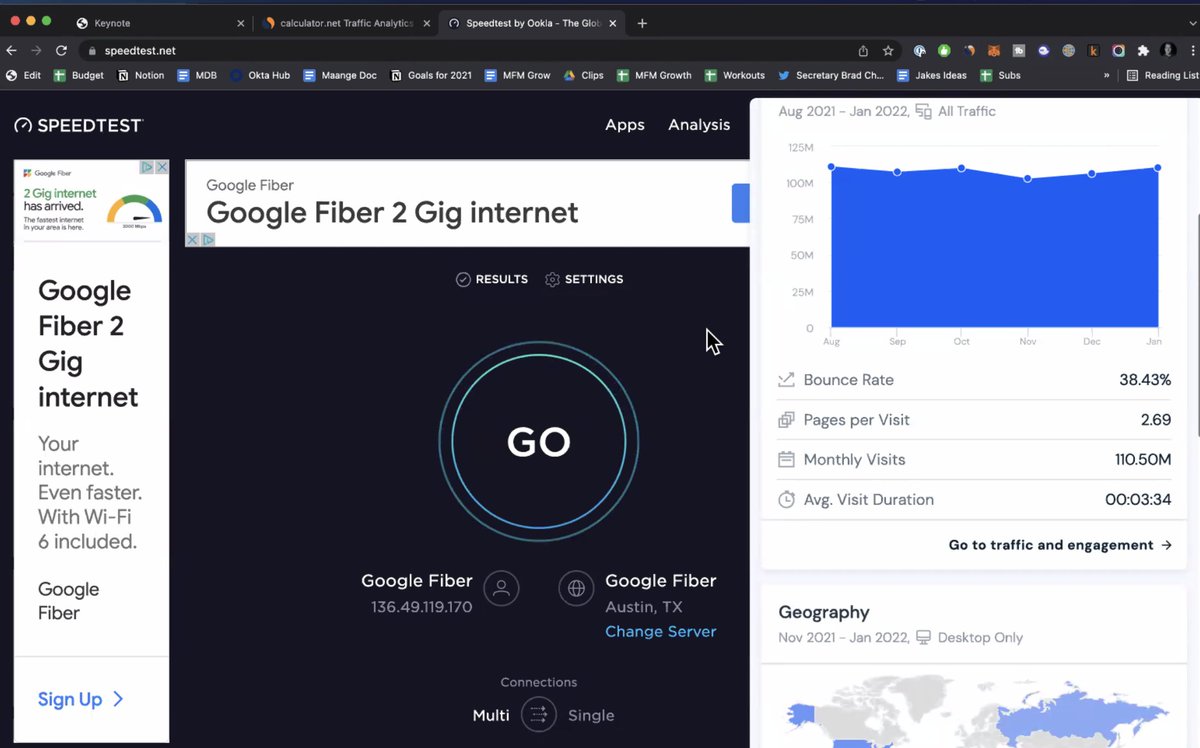
9/ Similarweb Analytics:
1. To learn about a website’s traffic
• 0-150k = meh
• 150-1m = interesting
• 1-10m = very meaningful
• 10-50m = huge
2. Bounce/rate
3. Pages Per visit
4. Avg visit duration
• 0-1 mins = eh
• 1-3 min = good
• 3+ min = great
10/ Reverse Engineering in Action:
@theSamParr found a website LitErotica:
• Ugly site
• 60m visits, 18 minutes spent, 65% direct, and most search is brand names
• Sam thought this was neat. What a huge market he knew nothing about!
11/ Reverse Engineering in Action:
1. He created a similar site
2. In a week, it got to $500 MRR.
3. Sam wasn’t interested - but he told someone about it. They created a version that hit $72k ARR in 6 weeks.
4. All from the insight from: there’s demand.
12/ Research Model #2: Media Spend
It’s really to easy to see all the ads people are browsing - tells you what factors people look for in a product.
• Facebook Ad library
• Moat
• SEMRush - all ads being run on Google/Bing
• JungleScout - all ads being run on Amazon
13/ Example: Native Deodorant
• Checked out FB Ad Library
• All creatives had 2 keywords: Paraben and Aluminum
• Insight: These were what consumers care about
14/ Research Model #3: Databases and Media
• Forbes Billionaire Index
• Inc 5000
• Mixergy
• 2PM
You can spot trends from the emerging businesses in these regions.
15/ Example:
How to use databases:
1. Go to interviews/posts with founders
2. Create personal database tracking company date, growth, rev etc.
3. Nerdwallet - found it was a strong biz model:
Revenue not directly correlated with traffic. Highly efficient model to explore.
16/ Research Model #4: Unbundling
There are a bunch of big companies out there that can't focus on everything.
This means they are average in different sectors.
This offers the opportunity for specialized, vertically focused businesses to come in and thrive.
17/ Example: Proctor and Gamble
The key is seeking out a combination of engagement, growth rate, and value.
P&G's entire business model has evolved to acquiring companies that have the three above traits.
IE:
- Harry's
- Native
- Thinx
18/ Mid-thread break.
If breaking down businesses and researching opportunities is the stage you are at right now.
Check out:
https://t.co/wTZfWnEJdE
19/ Research Model 5: Cultural Shifts
Live in the comments section of:
• Reddit
• iTunes
• Glassdoor
• Amazon Reviews
Look at what people care about / complain about.
Grailed went from niche problem that was solved to multi $-Billion marketplace
And thats a wrap!
Now Sam is doing live breakdowns of businesses and showing behind-the-scenes of how he would approach research of a new business.
Some amazing insights watching the process live!