Ayurvedic Health Clock :

The Ayurveda Clock is a 24 hr guide that aims to nurture our natural circadian rhythm.

During a 24 hour period, one of the dosha (Vata, Pitta and Kapha) becomes more active at certain times of the day/night.
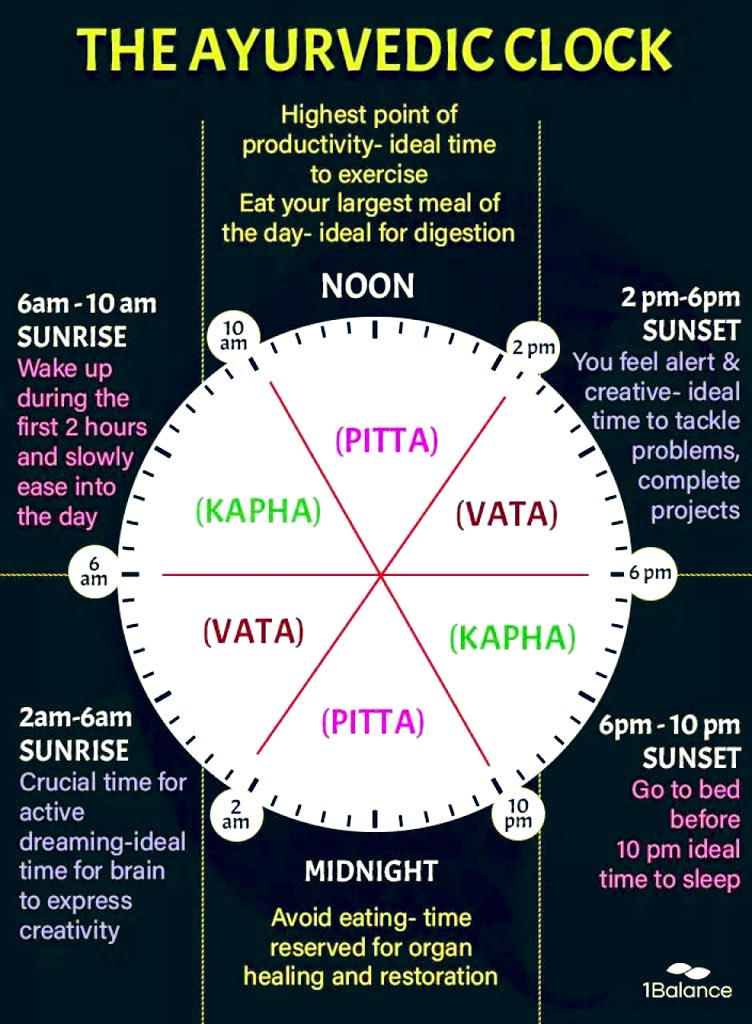
The Ayurveda clock shows each active dosha at its respective time and what activities we should do to best serve our mind, body & soul so we can adapt to our natural rhythm, offering us energy, vitality, rest and rejuvenation at appropriate times.
The Ayurveda clock is divided into six 4 hr cycles, three of which occur during the day and three during the night.

6 am- 10am- KAPHA time:

This is the best time for exercise as physical strength is great during these hours. Kapha is the most stable and grounding dosha.
If we do our exercise routine during the morning Kapha hours, we have the best chance of developing an enduring habit. If you feel lazy and difficult to get out of bed, then Kapha dosha is the culprit here. So, try getting up before 6am to avoid feeling sluggish.
10am - 2pm- PITTA time:

Pitta dosha governs digestion and appetite. Our Agni is strongest during these hours. So, eat your largest meal of the day during this time. The Pitta energy aids our ability to concentrate. We are most focused and alert during the Pitta times of the day.
Our analytical and comprehensive abilities are at their best. Hence, one should carry out the most productive tasks and biggest action plans at this time of the day.

2 pm- 6pm - VATA time:

Vata energy promotes creativity and imagination. It keeps our mind alert.
We are able to learn new things. So, this is the perfect time for working on creative projects and connecting with others. Also good time for meditation, grounding exercises or a nature walk.
6pm-10 pm- KAPHA time:

The evening Kapha hours are ideal for relaxation and winding down. Have a light dinner, preferably before sunset. Avoid exposure to screens as it stimulates the brain and interferes with sleep. Kapha naturally induces heaviness and sleep.
So one should go to bed around 10 pm to fall asleep peacefully.

10 pm- 2am- PITTA time:-

Pitta at night is not intended for digestion but rather works towards tissue healing, restoration and rejuvenation of the body. We should not eat during this time.
The deep sleep during this period is mentioned as the most nourishing one (Bhūtdhātri nidra) in Ayurveda. Our mind is in subconscious state now.

2am – 6am- VATA time: -

During early Vata hours, our sleep gets lighter. This is the time for active dreaming and visualisation.
Wake up before sunrise. The predawn hours (Brahma Mūhūrta) have prevalence of Sattva gūna (purity of mind and environment). Hence, waking up early makes you feel energetic and optimistic. Also Vata energy facilitates easy elimination of wastes.
Planning your day according to the Ayurveda clock can significantly improve your productivity and digestion. It can help you to achieve your fitness goals, get a better night's sleep and achieve optimal health.

Source - Satmya Ayurveda

More from Vशुद्धि

नवग्रह समिधा के नाम 🙏🏻🚩
(नवग्रह के पौधे एवं ग्रह शांति में उनके योगदान)

भारतीय ज्योतिष शास्त्र में ग्रहों को अपने अनुकूल बनाने के लिए ‘वनस्पति’ की विशेष भूमिका रही है। उसके अनुसार पेड़-पौधों लगाने और इनके हवन-पूजन से ग्रहों संबंधी कई समस्याएं दूर होती हैं।

#Thread


ज्योतिष शास्त्र में ग्रहों की संख्या 9 बतायी गई है

सूय्र्यचन्द्रो मंगलश्च बुधश्चापि बृहस्पति:।
शुक्र: शनेश्चरो राहु: केतुश्चेति नव ग्रहा:।।

ऐसी मान्यता है कि इन ग्रहों की विभिन्न नक्षत्रों में स्थिति के अनुसार प्रत्येक मनुष्य पर इनके अलग-अलग प्रभाव पड़ते हैं,

ये प्रभाव अनुकूल और प्रतिकूल दोनों होते हैं। ग्रहों के प्रतिकूल प्रभावों को शांत करने के लिए शास्त्रों में अनेक उपाय बताये गये हैं जिनमें एक उपाय ‘यज्ञ’ भी है।

यज्ञ द्वारा हर ग्रह शांति के लिए अलग अलग विशिष्ट वनस्पति की समिधा (हवन प्रकाष्ठ) प्रयोग की जाती है,

जैसा श्लोक में वर्णित है

“अर्क: पलाश: खदिरश्चापामार्गोऽथ पिप्पल:
औडम्बर: शमी दूव्र्वा कुशश्च समिध: क्रमात्”(गरुण पुराण)

अर्थात्

1-‘सूर्य ग्रह’ की शान्ति हेतू ‘अर्क (मदार)’ की समिधा का प्रयोग होता है मदार की लकड़ी में उसके पत्तों व गाय का घी मिलाकर हवन करने से रोग नाश होते हैं


2- चंद्र के लिए

पलाश के पेड़ में ब्रह्मा, विष्णु व महेश का निवास माना जाता है। पलाश के सूखे हुए फूल देवी देवताओं को कार्तिक माह में चढ़ाने से ग्रह बाधा दूर हो जाती है।

इसके वृक्ष को घर से दक्षिण-पूर्व (southeast) दिशा में लगाना चाहिए
The first ever world map was sketched thousands of years ago by Indian saint
“Ramanujacharya” who simply translated the following verse from Mahabharat and gave the world its real face

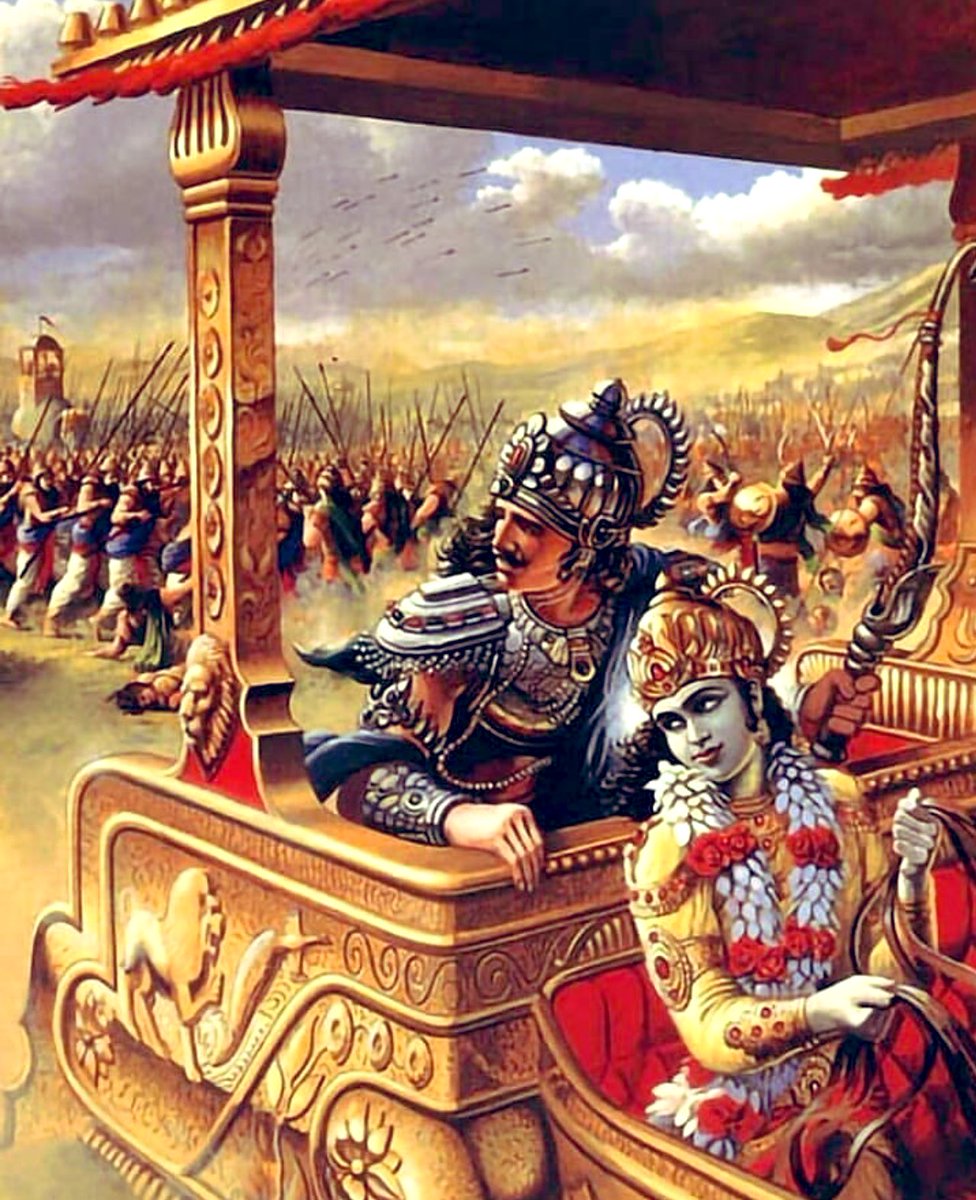
In Mahabharat,it is described how 'Maharishi Ved Vyasa' gave away his divine vision to Sanjay


Dhritarashtra's charioteer so that he could describe him the events of the upcoming war.

But, even before questions of war could begin, Dhritarashtra asked him to describe how the world looks like from space.

This is how he described the face of the world:

सुदर्शनं प्रवक्ष्यामि द्वीपं तु कुरुनन्दन। परिमण्डलो महाराज द्वीपोऽसौ चक्रसंस्थितः॥
यथा हि पुरुषः पश्येदादर्शे मुखमात्मनः। एवं सुदर्शनद्वीपो दृश्यते चन्द्रमण्डले॥ द्विरंशे पिप्पलस्तत्र द्विरंशे च शशो महान्।

—वेद व्यास, भीष्म पर्व, महाभारत


Meaning:-

हे कुरुनन्दन ! सुदर्शन नामक यह द्वीप चक्र की भाँति गोलाकार स्थित है, जैसे पुरुष दर्पण में अपना मुख देखता है, उसी प्रकार यह द्वीप चन्द्रमण्डल में दिखायी देता है। इसके दो अंशो मे पीपल और दो अंशो मे विशाल शश (खरगोश) दिखायी देता है।


Meaning: "Just like a man sees his face in the mirror, so does the Earth appears in the Universe. In the first part you see leaves of the Peepal Tree, and in the next part you see a Rabbit."

Based on this shloka, Saint Ramanujacharya sketched out the map, but the world laughed

More from All

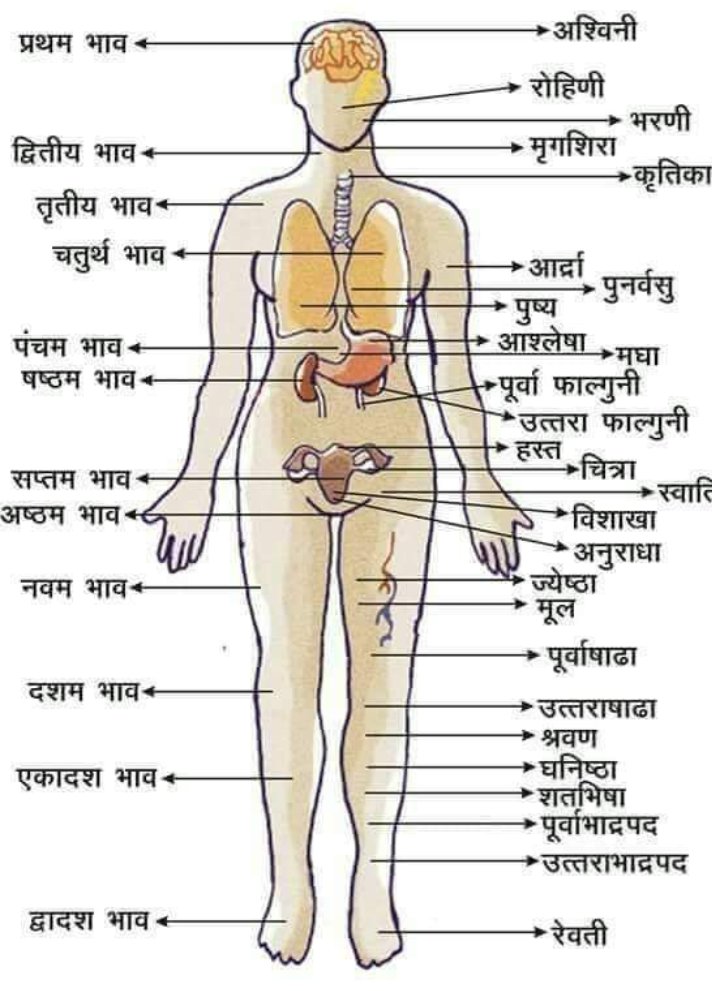
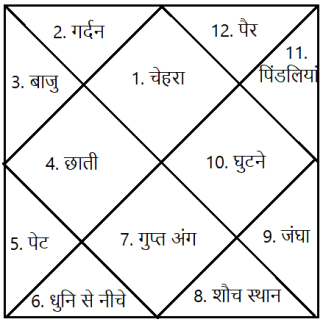
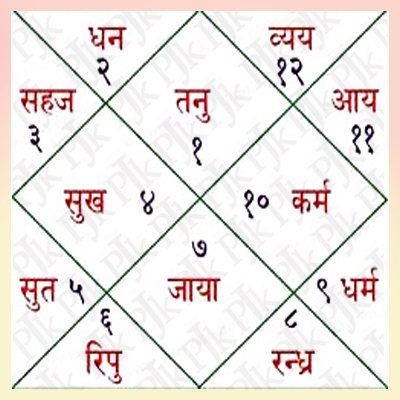
कुंडली में 12 भाव होते हैं। कैसे ज्योतिष द्वारा रोग के आंकलन करते समय कुंडली के विभिन्न भावों से गणना करते हैं आज इस पर चर्चा करेंगे।
कुण्डली को कालपुरुष की संज्ञा देकर इसमें शरीर के अंगों को स्थापित कर उनसे रोग, रोगेश, रोग को बढ़ाने घटाने वाले ग्रह


रोग की स्थिति में उत्प्रेरक का कार्य करने वाले ग्रह, आयुर्वेदिक/ऐलोपैथी/होमियोपैथी में से कौन कारगर होगा इसका आँकलन, रक्त विकार, रक्त और आपरेशन की स्थिति, कौन सा आंतरिक या बाहरी अंग प्रभावित होगा इत्यादि गणना करने में कुंडली का प्रयोग किया जाता है।


मेडिकल ज्योतिष में आज के समय में Dr. K. S. Charak का नाम निर्विवाद रूप से प्रथम स्थान रखता है। उनकी लिखी कई पुस्तकें आज इस क्षेत्र में नए ज्योतिषों का मार्गदर्शन कर रही हैं।
प्रथम भाव -
इस भाव से हम व्यक्ति की रोगप्रतिरोधक क्षमता, सिर, मष्तिस्क का विचार करते हैं।


द्वितीय भाव-
दाहिना नेत्र, मुख, वाणी, नाक, गर्दन व गले के ऊपरी भाग का विचार होता है।
तृतीय भाव-
अस्थि, गला,कान, हाथ, कंधे व छाती के आंतरिक अंगों का शुरुआती भाग इत्यादि।

चतुर्थ भाव- छाती व इसके आंतरिक अंग, जातक की मानसिक स्थिति/प्रकृति, स्तन आदि की गणना की जाती है


पंचम भाव-
जातक की बुद्धि व उसकी तीव्रता,पीठ, पसलियां,पेट, हृदय की स्थिति आंकलन में प्रयोग होता है।

षष्ठ भाव-
रोग भाव कहा जाता है। कुंडली मे इसके तत्कालिक भाव स्वामी, कालपुरुष कुंडली के स्वामी, दृष्टि संबंध, रोगेश की स्थिति, रोगेश के नक्षत्र औऱ रोगेश व भाव की डिग्री इत्यादि।

You May Also Like