कोसलो नाम मुदितस्स्फीतो जनपदो महान् ।
निविष्टस्सरयूतीरे प्रभूतधनधान्यवान् ।।1.5.5।।
On the banks of river Sarayu, a great and prosperous country named Kosala, abundant in food grains and wealth and inhabited by contended people, was situated.
अयोध्या नाम नगरी तत्रासील्लोकविश्रुता ।
मनुना मानवेन्द्रेण या पुरी निर्मिता स्वयम् ।।1.5.6।।
आयता दश च द्वे च योजनानि महापुरी ।
श्रीमती त्रीणि विस्तीर्णा सुविभक्तमहापथा ।।1.5.7।।
In the country called Kosala was the famous capital city of Ayodhya built by the lord of men, Manu.
With welllaid out thoroughfares, the beautiful and prosperous city of Ayodhya extended for twelve yojanas in length and three yojanas in breadth.
राजमार्गेण महता सुविभक्तेन शोभिता ।
मुक्तपुष्पावकीर्णेन जलसिक्तेन नित्यश: ।।1.5.8।।
तां तु राजा दशरथो महाराष्ट्रविवर्धन: ।
पुरीमावासयामास दिवं देवपतिर्यथा ।।1.5.9।।
It looked splendid with its welllaid out & broad highway strewn with flowers & regularly sprinkled with water. Dasartha, augmenting the prosperity of kingdom, lived in Ayodhya like Indra in heaven.
कवाटतोरणवतीं सुविभक्तान्तरापणाम् ।
सर्वयन्त्रायुधवतीमुपेतां सर्वशिल्पिभि: ।।1.5.10।।
सूतमागधसम्बाधां श्रीमतीमतुलप्रभाम् ।
उच्चाट्टालध्वजवतीं शतघ्नीशतसङ्कुलाम् ।।1.5.11।।
वधूनाटकसङ्घैश्च संयुक्तां सर्वत: पुरीम् ।
उद्यानाम्रवणोपेतां महतीं सालमेखलाम् ।।1.5.12।।
City where all kinds of artificers lived had arched outer gateways, well arranged markets & all kinds of instruments & weapons. With matchless splendor, it abounded in eulogists & genealogists. It contained stately edifices decorated with flags & 100s of sataghnis.
The city with suburban towns on all sides had several female dancers and actors. It was filled with gardens and mango groves. And girdled by sal trees.
दुर्गगम्भीरपरिघां दुर्गामन्यैर्दुरासदाम् ।
वाजिवारणसम्पूर्णां गोभिरुष्ट्रै: खरैस्तथा ।।1.5.13।।
सामन्तराजसङ्घैश्च बलिकर्मभिरावृताम् ।
नानादेशनिवासैश्च वणिग्भिरुपशोभिताम् ।।1.5.14।।
प्रासादै रत्नविकृतै: पर्वतैरुपशोभिताम् ।
कूटागारैश्च सम्पूर्णामिन्द्रस्येवामरावतीम् ।।1.5.15।।
It was enclosed by strong fortifications & deep moat. No enemy can ever enter and occupy that city.
It abounded with several elephants and horses, cattle, camels and mules. It was embellished with a host of tributary kings who used to pay tributes and with merchants from different countries. Like Indra's Amaravati, it was adorned by mountains and mansions with precious stones.
चित्रामष्टापदाकारां नरनारीगणैर्युताम् ।
सर्वरत्नसमाकीर्णां विमानगृहशोभिताम् ।।1.5.16।।
With groups of men and women and adorned with seven storied palaces, it looked wonderful like a board where the game of ashtapada, is played. It was rich in all kinds of gems.
गृहगाढामविच्छिद्रां समभूमौ निवेशिताम् ।
शालितण्डुलसम्पूर्णामिक्षुकाण्डरसोदकाम् ।।1.5.17।।
Its dwellings were constructed on levelled ground with no space left unutilised. It was abundantly stocked with fine-grained rice and water which tasted sweet like sugarcane juice.
दुन्दुभीभिर्मृदङ्गैश्च वीणाभि: पणवैस्तथा ।
नादितां भृशमत्यर्थं पृथिव्यां तामनुत्तमाम् ।।1.5.18।।
विमानमिव सिद्धानां तपसाधिगतं दिवि ।
सुनिवेशितवेश्मान्तां नरोत्तमसमावृताम् ।।1.5.19।।
The city echoed with the sounds of trumpets, mrudangas, vinas and panavas.
There was no city on earth superior to Ayodhya. Like an aerial car acquired by the siddhas in heaven through their austerities, the palaces were perfectly constructed in rows and inhabited by the noblest of men.
ये च बाणैर्न विध्यन्ति विविक्तमपरापरम् ।
शब्दवेध्यं च विततं लघुहस्ता विशारदा: ।।1.5.20।।
सिंहव्याघ्रवराहाणां मत्तानां नर्दतां वने ।
हन्तारो निशितैश्शस्त्रैर्बलाद्बाहुबलैरपि ।।1.5.21।।
तादृशानां सहस्रैस्तामभिपूर्णां महारथै: ।
पुरीमावासयामास राजा दशरथस्तदा ।।1.5.22।।
The city was inhabited by thousands of warriors known as maharathas. They were skilled archers and sharp handed. They would not pierce with arrows, solitary persons, persons without defense, fleeing foes who could be tracked down through hints from sound.
With sharp arrows or with the strength of their arms, they would kill roaring and inebriated lions, tigers, boars etc. in the forest. It was in that city (of Ayodhya) that king Dasaratha lived.
तामग्निमद्भिर्गुणवद्भिरावृतां
द्विजोत्तमैर्वेदषडङ्गपारगै: ।
सहस्रदैस्सत्यरतैर्महात्मभि
र्महर्षिकल्पै ऋषिभिश्च केवलै: ।।1.5.23।।
That city (of Ayodhya) was filled with excellent dwijas (brahmana, kshatriya and vaisyas) performing rituals, virtuous and well versed in the Vedas and Vedangas.
They were generous, truthful and dignified. They were almost equal to rishis and maharshis.
To this day, the great and sacred city Ayodhya is standing tall with the same splendor which is mentioned in the Valmiki Ramayana and celebrating the home coming Maryada Purushotam Shri Ram with deevoptsav.
Happy Diwali 🙏
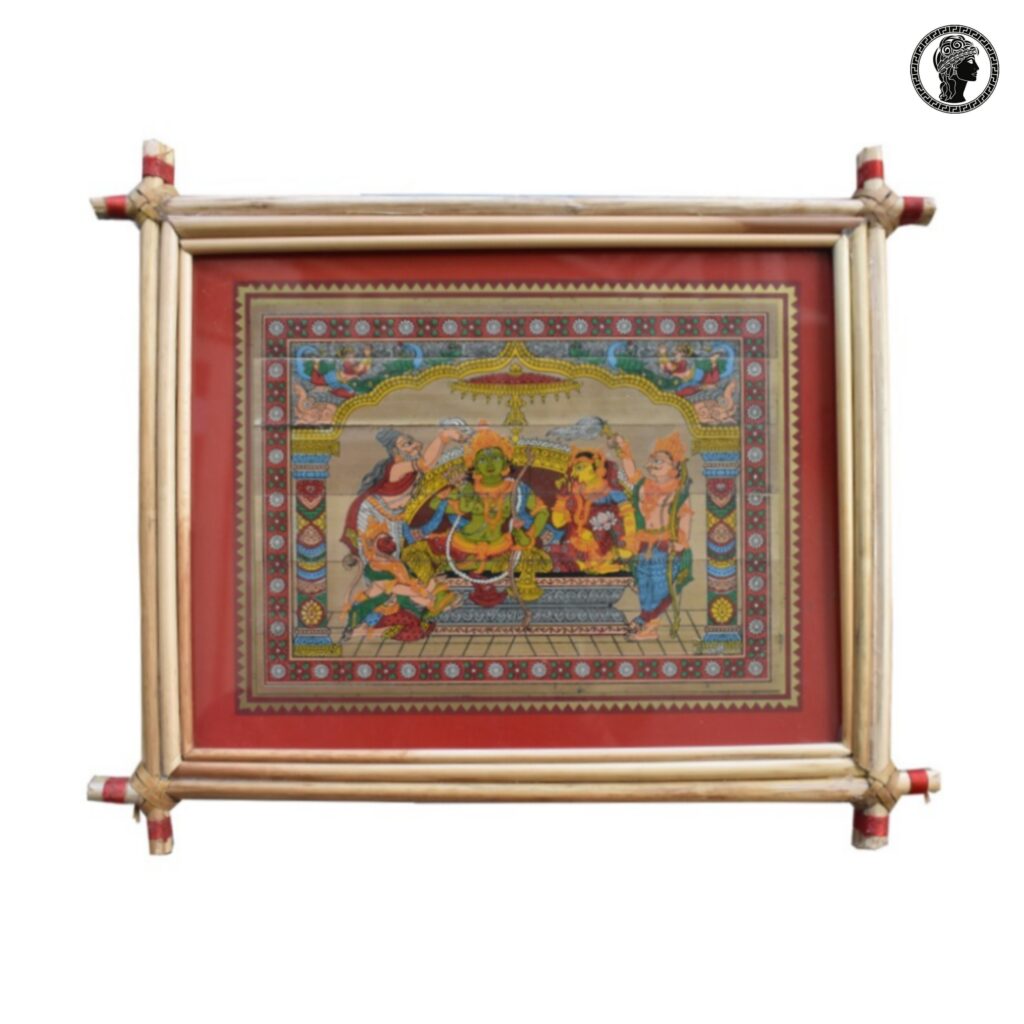
Order exclusive Shri Ram darbar Painting on Palm Leaf from
@clios_store and this Diwali bring home the beauty, grace & blessings of Mahaprabhu.
Use the code "DIWALI" to get 10% off.
Pan India Delivery | CoD Available
Link:
https://t.co/tlRUgFa5ds