🌼Story of understanding the untold🌼

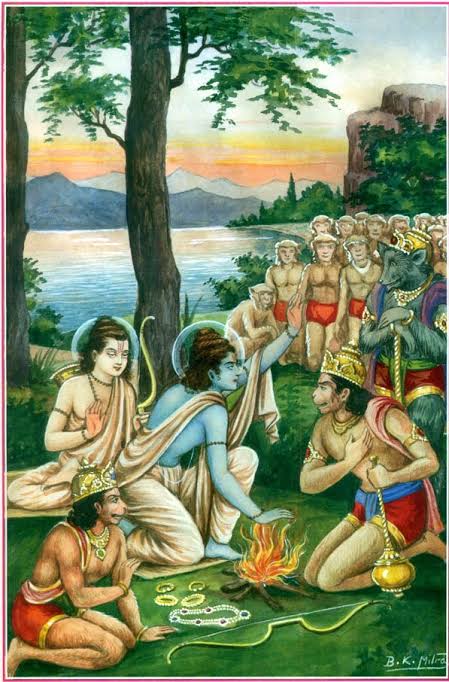
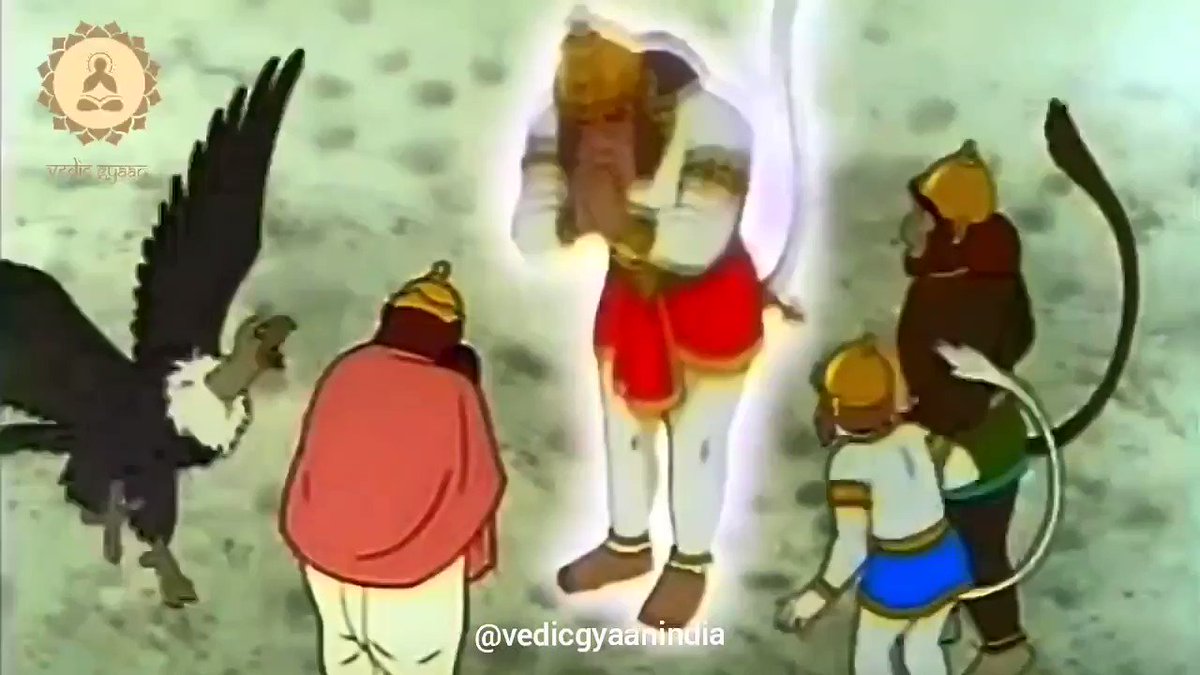
After discovering Sitamata, Hanuman and his army were travelling to Kishkinda. Madhuvana, Sugriva's private garden came in between. The complete garden was filled with beehives and several juicy fruits.

This was very well guarded by a monkey called Dadimukha. Dadhimukha was sitting in front of this garden at 4 doors. Only Sugriva was allowed in.

So the monkeys while returning, wanted some fun in Madhuvana and enjoy honey there. They expressed this to Hanuman.
Hanuman wasn't for this idea as it would indicate to Sugriva their victory.

But Jambavan and the other monkeys wanted to enjoy after so much hard work. So they entered Madhuvana.

All the monkeys started drinking honey and polishing off the juicy fruits in the garden.
Dadimukha immediately ran to Sugriva and complained that his uncle Jambavan and defence minister Hanuman both were useless. They have entered Madhuvana and are destroying all the fruits.

Not only that when Dadimukha tried to prevent them, they all attacked him and other guards.
Bhagwan Rama, Lakshman and Sugriva were all together in this hall.
Lakshman got annoyed and asked Sugriva about this.

Sugriva patiently responded by saying Dadimukha is complaining about Angad and his army of monkeys along with Jambavan.
Their entering Madhuvana forcibly is a sign of victory they have achieved.

Hanuman has surely met Sita mata.

These monkeys couldn't have dared to enter Madhuvan if their task wasnt accomplished.

In actual, Dadimukha is conveying extremely happy news.
Sugriva ordered to completely open the doors of Madhuvana and asked Dadimukha to allow all the monkeys to enjoy the fruits and honey.

Such was the friendship between Hanuman, Angad, Jambuvana and Sugriva. Sugriva knew this indication as a sign of victory.

More from Āyudhika 🇮🇳

More from All

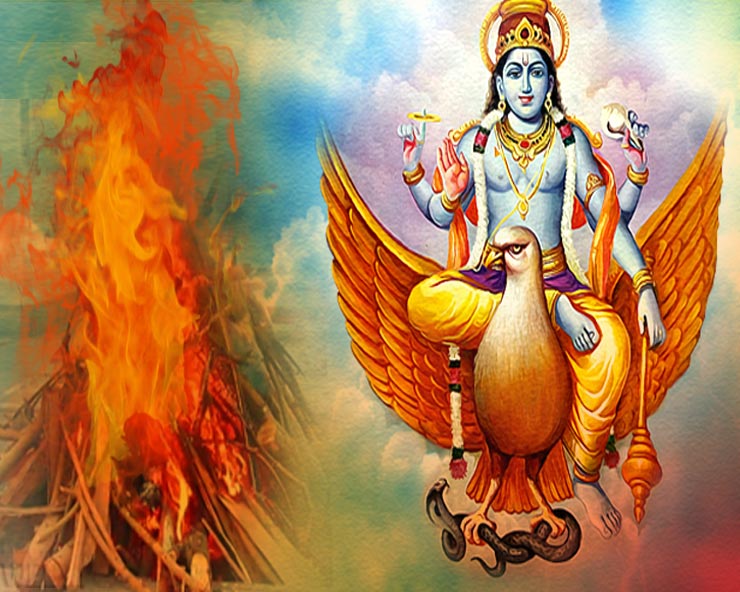
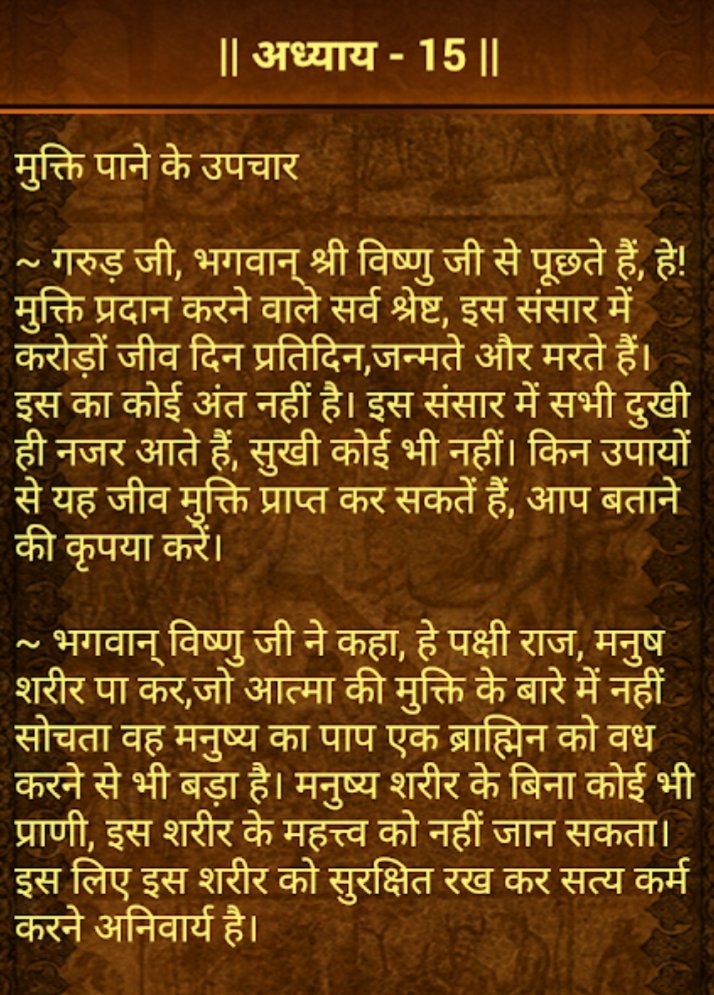
🌺श्री गरुड़ पुराण - संक्षिप्त वर्णन🌺

हिन्दु धर्म के 18 पुराणों में से एक गरुड़ पुराण का हिन्दु धर्म में बड़ा महत्व है। गरुड़ पुराण में मृत्यु के बाद सद्गती की व्याख्या मिलती है। इस पुराण के अधिष्ठातृ देव भगवान विष्णु हैं, इसलिए ये वैष्णव पुराण है।


गरुड़ पुराण के अनुसार हमारे कर्मों का फल हमें हमारे जीवन-काल में तो मिलता ही है परंतु मृत्यु के बाद भी अच्छे बुरे कार्यों का उनके अनुसार फल मिलता है। इस कारण इस पुराण में निहित ज्ञान को प्राप्त करने के लिए घर के किसी सदस्य की मृत्यु के बाद का समय निर्धारित किया गया है...

..ताकि उस समय हम जीवन-मरण से जुड़े सभी सत्य जान सकें और मृत्यु के कारण बिछडने वाले सदस्य का दुख कम हो सके।
गरुड़ पुराण में विष्णु की भक्ति व अवतारों का विस्तार से उसी प्रकार वर्णन मिलता है जिस प्रकार भगवत पुराण में।आरम्भ में मनु से सृष्टि की उत्पत्ति,ध्रुव चरित्र की कथा मिलती है।


तदुपरांत सुर्य व चंद्र ग्रहों के मंत्र, शिव-पार्वती मंत्र,इन्द्र सम्बंधित मंत्र,सरस्वती मंत्र और नौ शक्तियों के बारे में विस्तार से बताया गया है।
इस पुराण में उन्नीस हज़ार श्लोक बताए जाते हैं और इसे दो भागों में कहा जाता है।
प्रथम भाग में विष्णुभक्ति और पूजा विधियों का उल्लेख है।

मृत्यु के उपरांत गरुड़ पुराण के श्रवण का प्रावधान है ।
पुराण के द्वितीय भाग में 'प्रेतकल्प' का विस्तार से वर्णन और नरकों में जीव के पड़ने का वृत्तांत मिलता है। मरने के बाद मनुष्य की क्या गति होती है, उसका किस प्रकार की योनियों में जन्म होता है, प्रेत योनि से मुक्ति के उपाय...

You May Also Like

The chorus of this song uses the shlokas taken from Sundarkand of Ramayana.

It is a series of Sanskrit shlokas recited by Jambavant to Hanuman to remind Him of his true potential.

1. धीवर प्रसार शौर्य भरा: The brave persevering one, your bravery is taking you forward.


2. उतसारा स्थिरा घम्भीरा: The one who is leaping higher and higher, who is firm and stable and seriously determined.

3. ुग्रामा असामा शौर्या भावा: He is strong, and without an equal in the ability/mentality to fight

4. रौद्रमा नवा भीतिर्मा: His anger will cause new fears in his foes.

5.विजिटरीपुरु धीरधारा, कलोथरा शिखरा कठोरा: This is a complex expression seen only in Indic language poetry. The poet is stating that Shivudu is experiencing the intensity of climbing a tough peak, and likening

it to the feeling in a hard battle, when you see your enemy defeated, and blood flowing like a rivulet. This is classical Veera rasa.

6.कुलकु थारथिलीथा गम्भीरा, जाया विराट वीरा: His rough body itself is like a sharp weapon (because he is determined to win). Hail this complete

hero of the world.

7.विलयगागनथाला भिकारा, गरज्जद्धरा गारा: The hero is destructive in the air/sky as well (because he can leap at an enemy from a great height). He can defeat the enemy (simply) with his fearsome roar of war.