#ValiantOrganics up over 7% at 1700+!! 🍻
Target 1 of 1700 achieved. More to come!!
#Chemicals https://t.co/3A1ycFcKS4

#ValiantOrganics
— Anchit Goel (@anchitsays) April 30, 2021
Moving on expected lines, a good Breakout happening!! \U0001f680 @Jai0409 https://t.co/iD47keGEKl pic.twitter.com/ATvL8zGCSO
More from Anchit Goel


#HindCopper
10% more gains to 127.75 !! 🍻🔥🚀
Expecting it to consolidate now in coming days before a final move to 145-150 levels. #Copper RSI is overheated and needs to cool down.
Negative divergence building up on hourly charts. https://t.co/sBU4O6QZsq
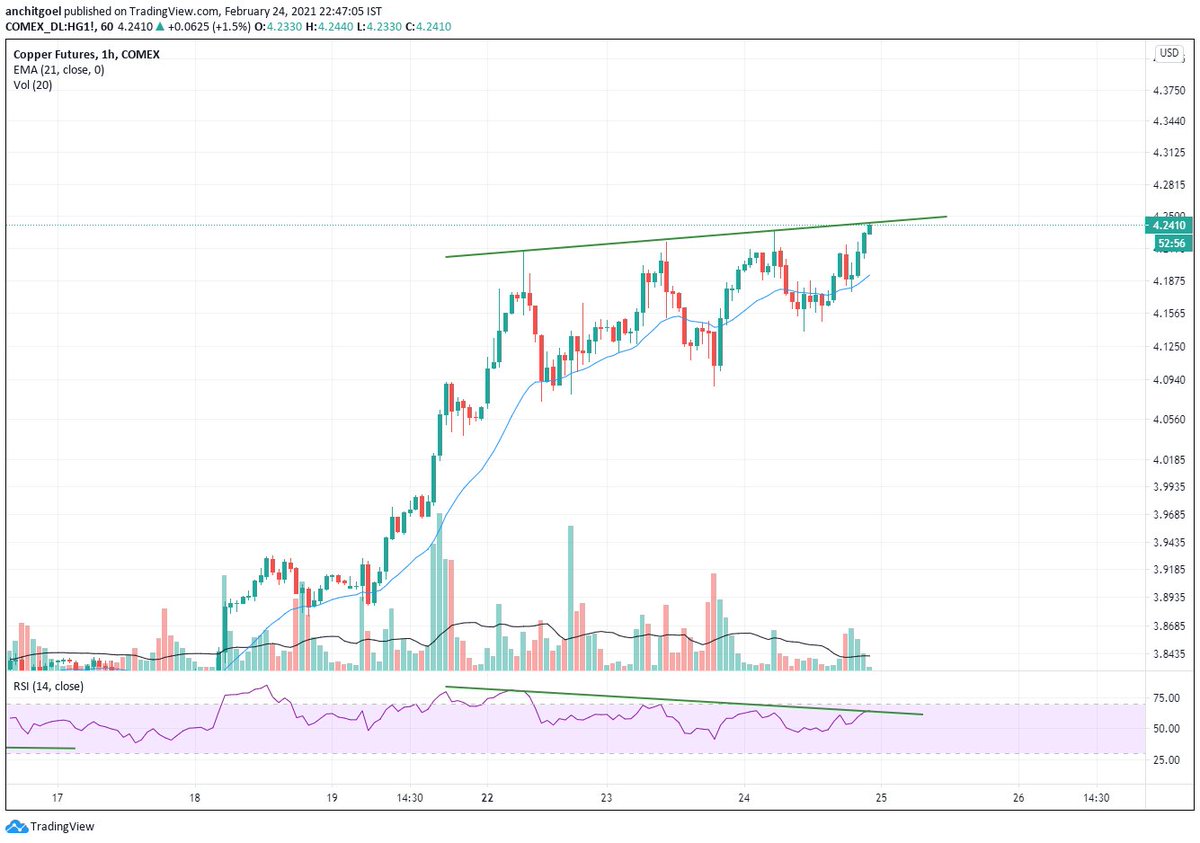
10% more gains to 127.75 !! 🍻🔥🚀
Expecting it to consolidate now in coming days before a final move to 145-150 levels. #Copper RSI is overheated and needs to cool down.
Negative divergence building up on hourly charts. https://t.co/sBU4O6QZsq
#HindCopper
— Anchit Goel (@anchitsays) February 23, 2021
20% Upper Circuit at 118.05 now!! \U0001f389\U0001fa85\U0001f525\U0001f680\U0001f973\U0001f37b\U0001f60d
Conviction and patience has given excellent results. https://t.co/T5y2CBY9Lt pic.twitter.com/xvDeR91PkL
Here is #Infosys weekly chart along with EW counts and trend channel.
EW 5=1 at 1650
Notice the RSI. Do you see any pattern there?
@AnandableAnand
@chartmojo https://t.co/H9qjNi42qZ

EW 5=1 at 1650
Notice the RSI. Do you see any pattern there?
@AnandableAnand
@chartmojo https://t.co/H9qjNi42qZ
#Infosys
— Anchit Goel (@anchitsays) April 2, 2021
Cup & Handle formation. A good Breakout can come soon which can take it to 1550 or so.
EW5 is going on.@Milind4profits @MaverickAmit01 pic.twitter.com/vI0Y5jCgCH
You May Also Like


So friends here is the thread on the recommended pathway for new entrants in the stock market.
Here I will share what I believe are essentials for anybody who is interested in stock markets and the resources to learn them, its from my experience and by no means exhaustive..
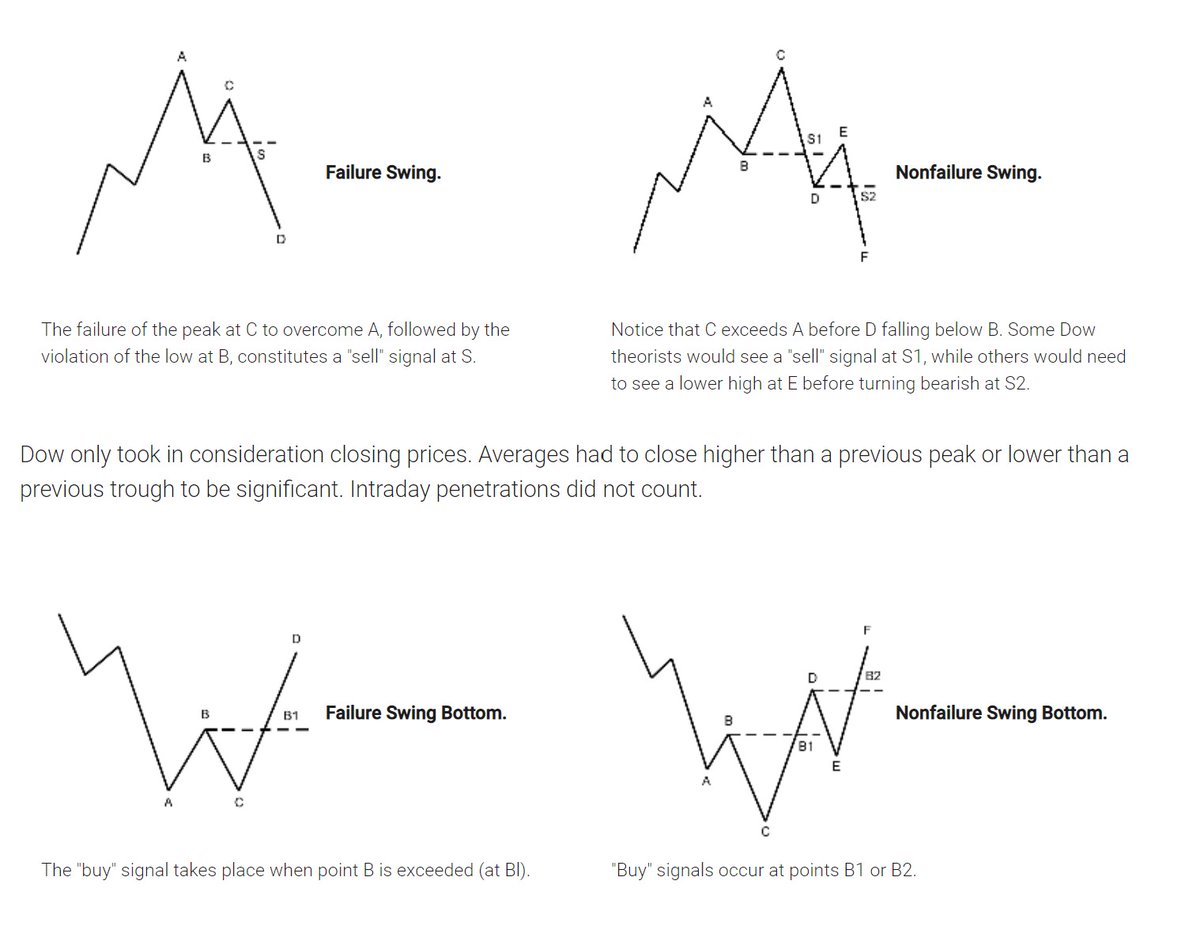
First the very basic : The Dow theory, Everybody must have basic understanding of it and must learn to observe High Highs, Higher Lows, Lower Highs and Lowers lows on charts and their
Even those who are more inclined towards fundamental side can also benefit from Dow theory, as it can hint start & end of Bull/Bear runs thereby indication entry and exits.
Next basic is Wyckoff's Theory. It tells how accumulation and distribution happens with regularity and how the market actually
Dow theory is old but
Here I will share what I believe are essentials for anybody who is interested in stock markets and the resources to learn them, its from my experience and by no means exhaustive..
First the very basic : The Dow theory, Everybody must have basic understanding of it and must learn to observe High Highs, Higher Lows, Lower Highs and Lowers lows on charts and their
Even those who are more inclined towards fundamental side can also benefit from Dow theory, as it can hint start & end of Bull/Bear runs thereby indication entry and exits.
Next basic is Wyckoff's Theory. It tells how accumulation and distribution happens with regularity and how the market actually
Dow theory is old but
Old is Gold....
— Professor (@DillikiBiili) January 23, 2020
this Bharti Airtel chart is a true copy of the Wyckoff Pattern propounded in 1931....... pic.twitter.com/tQ1PNebq7d