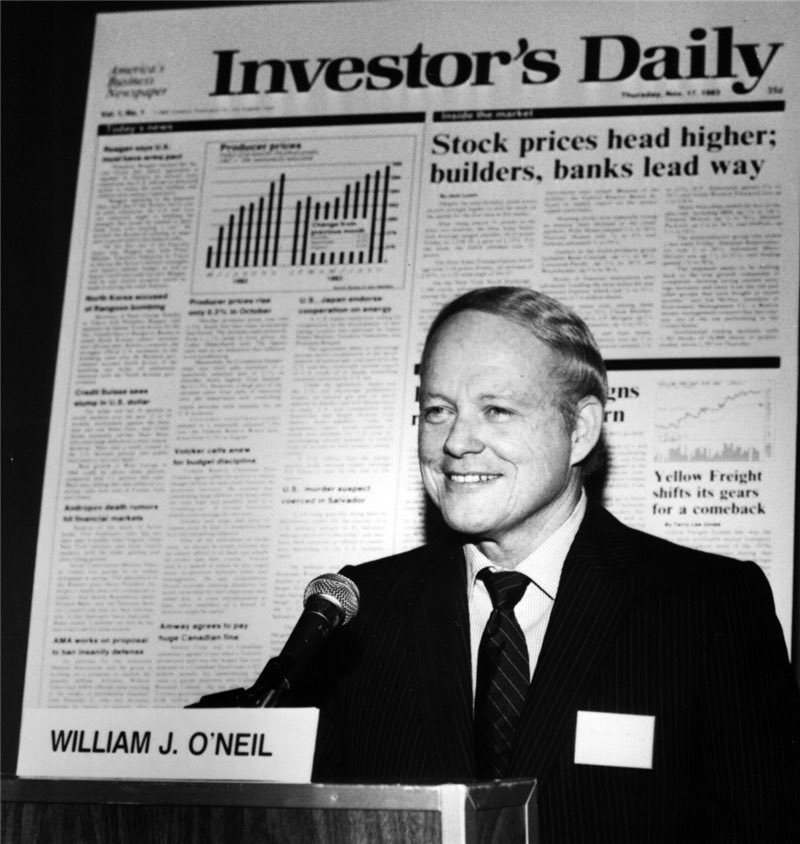
“The secret to being successful from a trading perspective is to have an indefatigable and an undying and unquenchable thirst for information and knowledge.”
Paul Tudor Jones’ 10 Trading Principles that made him a Legend and a Billionaire:
Thread 🧵👇
“The secret to being successful from a trading perspective is to have an indefatigable and an undying and unquenchable thirst for information and knowledge.”
“At the end of the day, your job is to buy what goes up and to sell what goes down.”
“Every day I assume every position I have is wrong.”
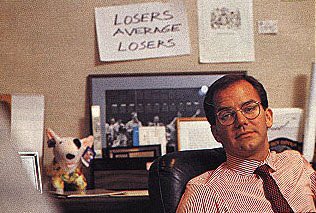
“Losers average losers.” (Posted on the wall of his office).
“You adapt, evolve, compete or die.”
“Failure was a key element to my life’s journey.”
“At the end of the day, the most important thing is how good are you at risk control.”
“When I am trading poorly, I keep reducing my position size. That way, I will be trading my smallest position size when my trading is worst.”
More from Steve Burns
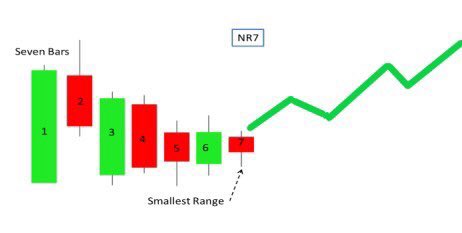
Ten lessons from the book:
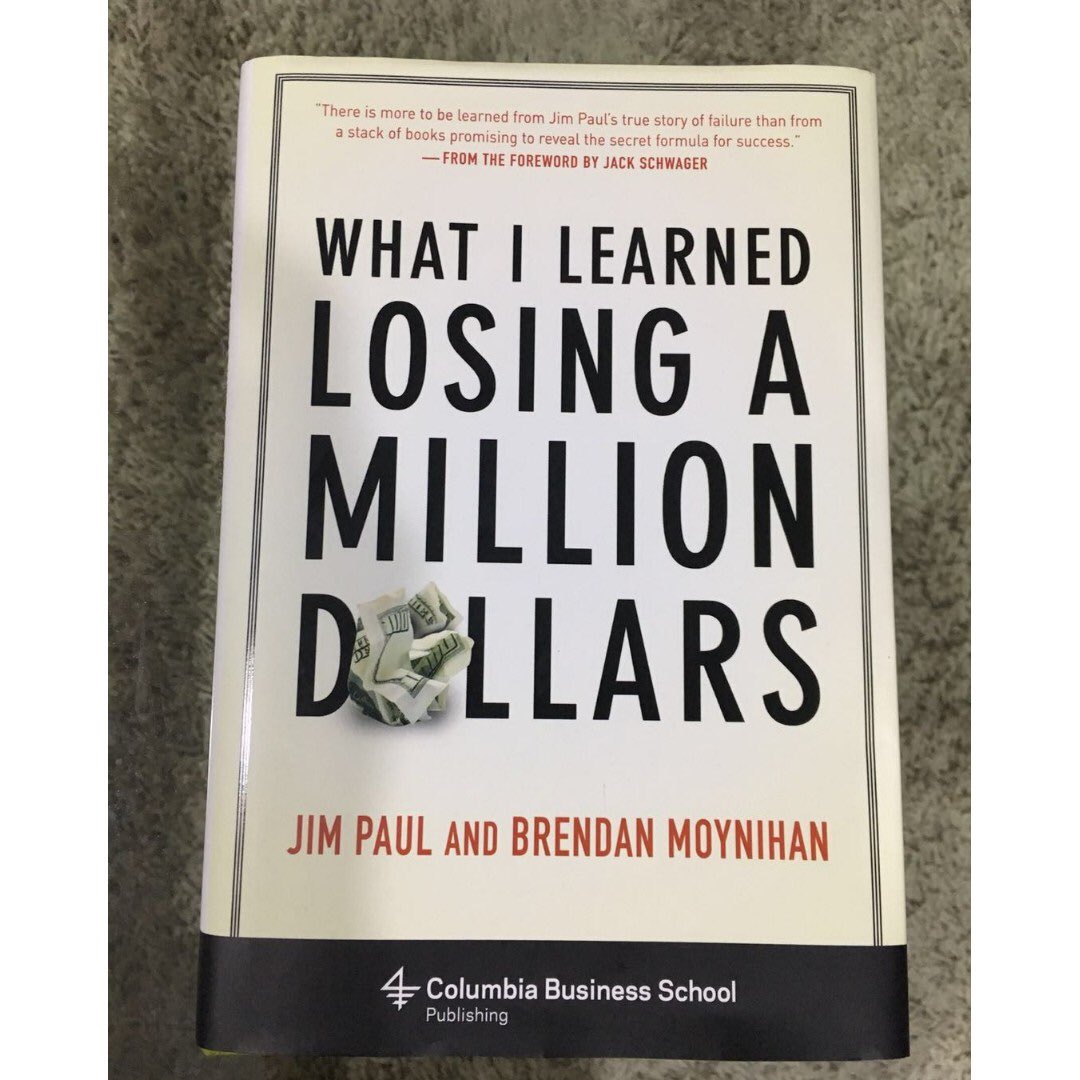
“What I Learned Losing a Million Dollars” by Jim Paul and Brendan Moynihan
A thread 🧵👇
“Experience is the worst teacher. It gives the test before giving the lesson.”
“Smart people learn from their mistakes and wise people learn from somebody else’s mistakes.”
“A fool must now and then be right by chance.” - William Cowper
https://t.co/Uq1h66riIF
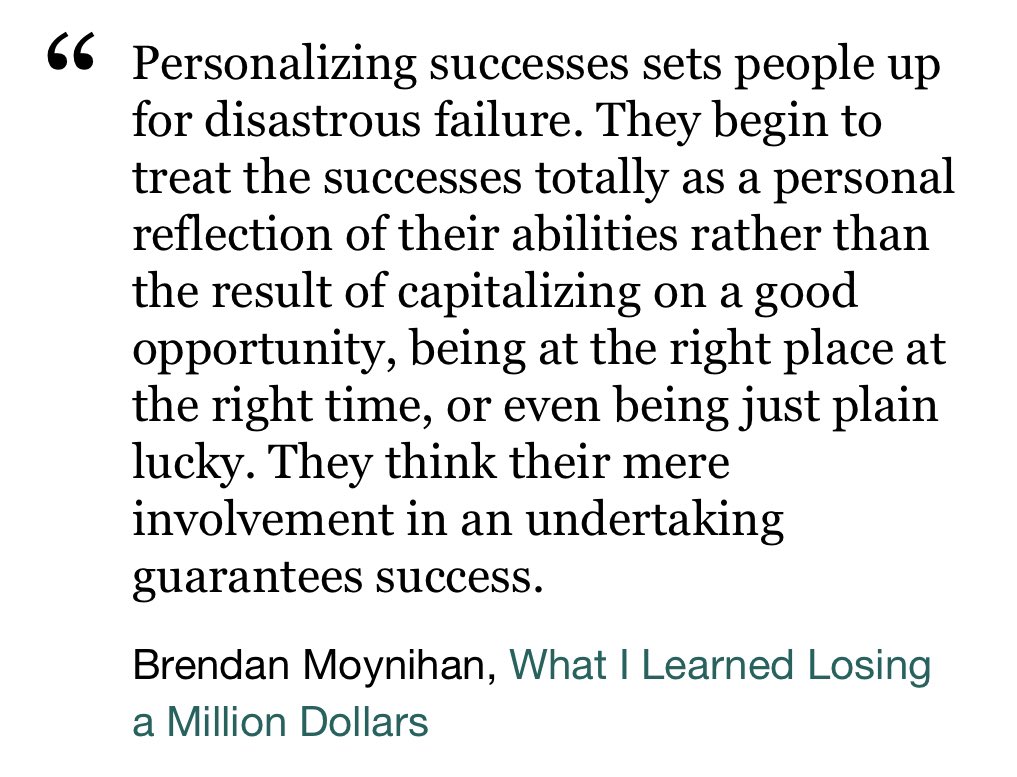
“What I Learned Losing a Million Dollars” by Jim Paul and Brendan Moynihan
A thread 🧵👇
“Experience is the worst teacher. It gives the test before giving the lesson.”
“Smart people learn from their mistakes and wise people learn from somebody else’s mistakes.”
“A fool must now and then be right by chance.” - William Cowper
https://t.co/Uq1h66riIF