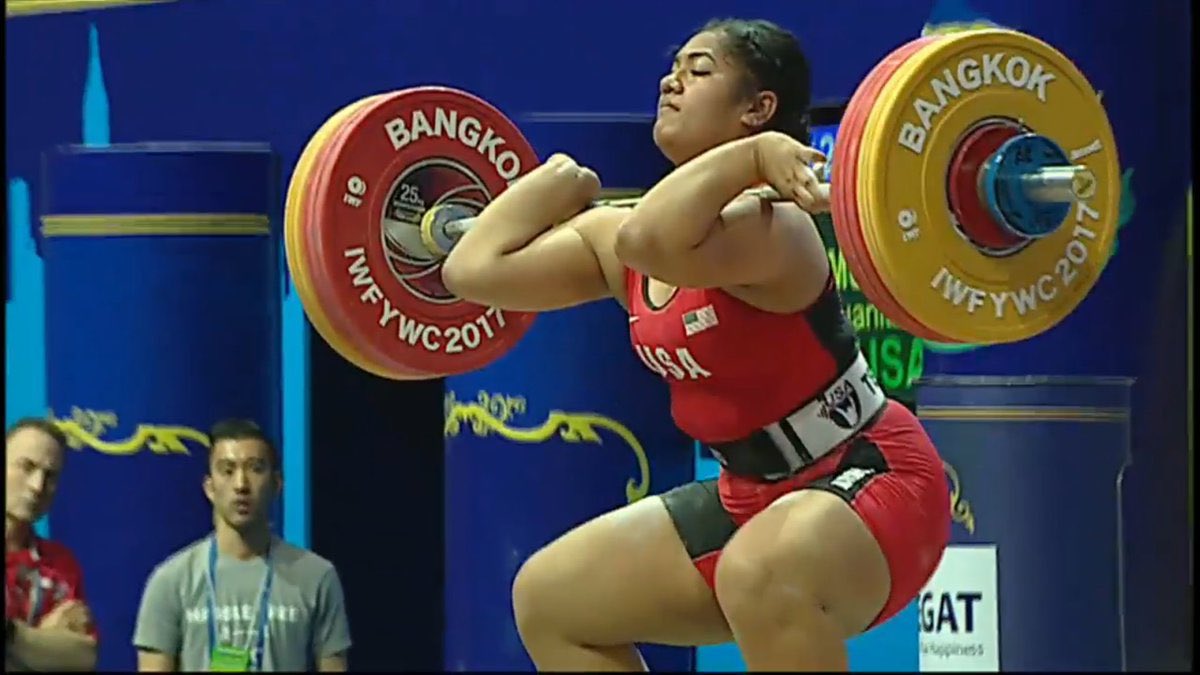
2. Lift. Do strength training. Twice a week Four movements X 3-5 sets X 3-5 reps at 80% one rep max is good
Every podcast, journal or book that I have read on health and upstream work boils down to these few steps. If u can get them right, u will be in great shape. A thread
2. Lift. Do strength training. Twice a week Four movements X 3-5 sets X 3-5 reps at 80% one rep max is good
4. HIIT once a week is good to improve anaerobic capacity
5. Sunlight - One of the most important thing that u can do for ur health is spending some time early in the morning
6. Protein- Make sure to get in 1.5-2gm protein per kg body weight.
7. Fibres - Aim to have 15 gms fibre per 1000 calorie. Half plate every meal preferably should be veggies.
9. Processed Sugar best avoided.
10. Fasting has its own advantage but u can do without it if u are managing ur calories. If u eat ur protein and fibre , u will not feel the hunger for rightly processed carbs
12. Sleep - 7-9 hours. Dark and cold room. Avoid heavy food 2-3 hours before slew. Shut off electronics 2 hours before.
12. Chew food. Eat mindful. 20-30 chews.
More from Health
Public Health Scholarships
This may help for those considering MS/PhD in Public Health
1. The Erasmus Mundus Joint Master Degree in Public Health in Disasters
https://t.co/1Z5qpstsSu
2. Afya Bora Global Health
3. Carl Duisberg Scholarships
https://t.co/HnNXdbWBxy
4. Commonwealth Scholarships for Developing Countries
https://t.co/3fWGf5b2OH
5. Fellowships in Public Health & Tropical
6. Fellowships to Promote Mental Health Journalism
https://t.co/MVV9PFsBJ1
7. 2021-22 Jeroen Ensink Memorial Fund
8. Paul S. Lietman Global Travel Grant for Residents & Fellows
https://t.co/qK76R495QT
9. Global Health Internships and Funding
https://t.co/FD9Gh2wXvO
10. Kofi Annan Global Health Leadership
11. MA in European Public Health
https://t.co/5x0Vr7b1j8
12. MSc in Public Health Scholarships - Maastricht University,
This may help for those considering MS/PhD in Public Health
1. The Erasmus Mundus Joint Master Degree in Public Health in Disasters
https://t.co/1Z5qpstsSu
2. Afya Bora Global Health
3. Carl Duisberg Scholarships
https://t.co/HnNXdbWBxy
4. Commonwealth Scholarships for Developing Countries
https://t.co/3fWGf5b2OH
5. Fellowships in Public Health & Tropical
6. Fellowships to Promote Mental Health Journalism
https://t.co/MVV9PFsBJ1
7. 2021-22 Jeroen Ensink Memorial Fund
8. Paul S. Lietman Global Travel Grant for Residents & Fellows
https://t.co/qK76R495QT
9. Global Health Internships and Funding
https://t.co/FD9Gh2wXvO
10. Kofi Annan Global Health Leadership
11. MA in European Public Health
https://t.co/5x0Vr7b1j8
12. MSc in Public Health Scholarships - Maastricht University,
This is the $1mln question still without an answer: why were these workers cleaning bat guano from that abandoned mine?
Surprisingly we simply don't know.
China would have all interest in clarifying that point if for instance they were prospecting or selling guano. It did not.
What we know is that EcoHealth + WIV were sampling bat sites in the vicinity at the exact time of the workers being in that mine.
#DRASTIC wrote about this and about other oddities in the official story:
Maybe it's just one of these coincidences.
Then it gets interesting: about a year after the miners death, Olival & Epstein from EcoHealth Alliance co-authored a paper about the coronavirus risk infection from bat guano collection.
No mention of the
That paper oddly used some old bat samples collected by DARPA in 2006/7 at the famous Thai bat cave.
It never mentioned that the Thai monks have been doing this every Sunday for many many years without infection.
But most interestingly it never mentioned the Mojiang mine accident, even if the perfect timing and recycling of old DARPA bat samples seem to point to a likely knowledge of it.
Anyway, the idea was to ask for more money, as you correctly
Surprisingly we simply don't know.
China would have all interest in clarifying that point if for instance they were prospecting or selling guano. It did not.
The miners were tasked with removing bat feces. AFAIK it hasn't been established why they were doing this. Given that EcoHealth was collecting bat fecal samples in the same province around the same time, is it possible these miners were actually collecting guano for EcoHealth?
— The Great Gumbino (@gumby4christ) February 15, 2021
What we know is that EcoHealth + WIV were sampling bat sites in the vicinity at the exact time of the workers being in that mine.
#DRASTIC wrote about this and about other oddities in the official story:
Maybe it's just one of these coincidences.
Then it gets interesting: about a year after the miners death, Olival & Epstein from EcoHealth Alliance co-authored a paper about the coronavirus risk infection from bat guano collection.
No mention of the
That paper oddly used some old bat samples collected by DARPA in 2006/7 at the famous Thai bat cave.
It never mentioned that the Thai monks have been doing this every Sunday for many many years without infection.
But most interestingly it never mentioned the Mojiang mine accident, even if the perfect timing and recycling of old DARPA bat samples seem to point to a likely knowledge of it.
Anyway, the idea was to ask for more money, as you correctly
You May Also Like
A brief analysis and comparison of the CSS for Twitter's PWA vs Twitter's legacy desktop website. The difference is dramatic and I'll touch on some reasons why.
Legacy site *downloads* ~630 KB CSS per theme and writing direction.
6,769 rules
9,252 selectors
16.7k declarations
3,370 unique declarations
44 media queries
36 unique colors
50 unique background colors
46 unique font sizes
39 unique z-indices
https://t.co/qyl4Bt1i5x
PWA *incrementally generates* ~30 KB CSS that handles all themes and writing directions.
735 rules
740 selectors
757 declarations
730 unique declarations
0 media queries
11 unique colors
32 unique background colors
15 unique font sizes
7 unique z-indices
https://t.co/w7oNG5KUkJ
The legacy site's CSS is what happens when hundreds of people directly write CSS over many years. Specificity wars, redundancy, a house of cards that can't be fixed. The result is extremely inefficient and error-prone styling that punishes users and developers.
The PWA's CSS is generated on-demand by a JS framework that manages styles and outputs "atomic CSS". The framework can enforce strict constraints and perform optimisations, which is why the CSS is so much smaller and safer. Style conflicts and unbounded CSS growth are avoided.
Legacy site *downloads* ~630 KB CSS per theme and writing direction.
6,769 rules
9,252 selectors
16.7k declarations
3,370 unique declarations
44 media queries
36 unique colors
50 unique background colors
46 unique font sizes
39 unique z-indices
https://t.co/qyl4Bt1i5x
PWA *incrementally generates* ~30 KB CSS that handles all themes and writing directions.
735 rules
740 selectors
757 declarations
730 unique declarations
0 media queries
11 unique colors
32 unique background colors
15 unique font sizes
7 unique z-indices
https://t.co/w7oNG5KUkJ
The legacy site's CSS is what happens when hundreds of people directly write CSS over many years. Specificity wars, redundancy, a house of cards that can't be fixed. The result is extremely inefficient and error-prone styling that punishes users and developers.
The PWA's CSS is generated on-demand by a JS framework that manages styles and outputs "atomic CSS". The framework can enforce strict constraints and perform optimisations, which is why the CSS is so much smaller and safer. Style conflicts and unbounded CSS growth are avoided.