Day 14 #31DaysofML

🤔 How to pick the right #GoogleCloud #MachineLearning tool for your application?

Answer these questions
âť“ What's your teams ML expertise?
âť“ How much control/abstraction do you need?
âť“ Would you like to handle the infrastructure components?

🧵 👇

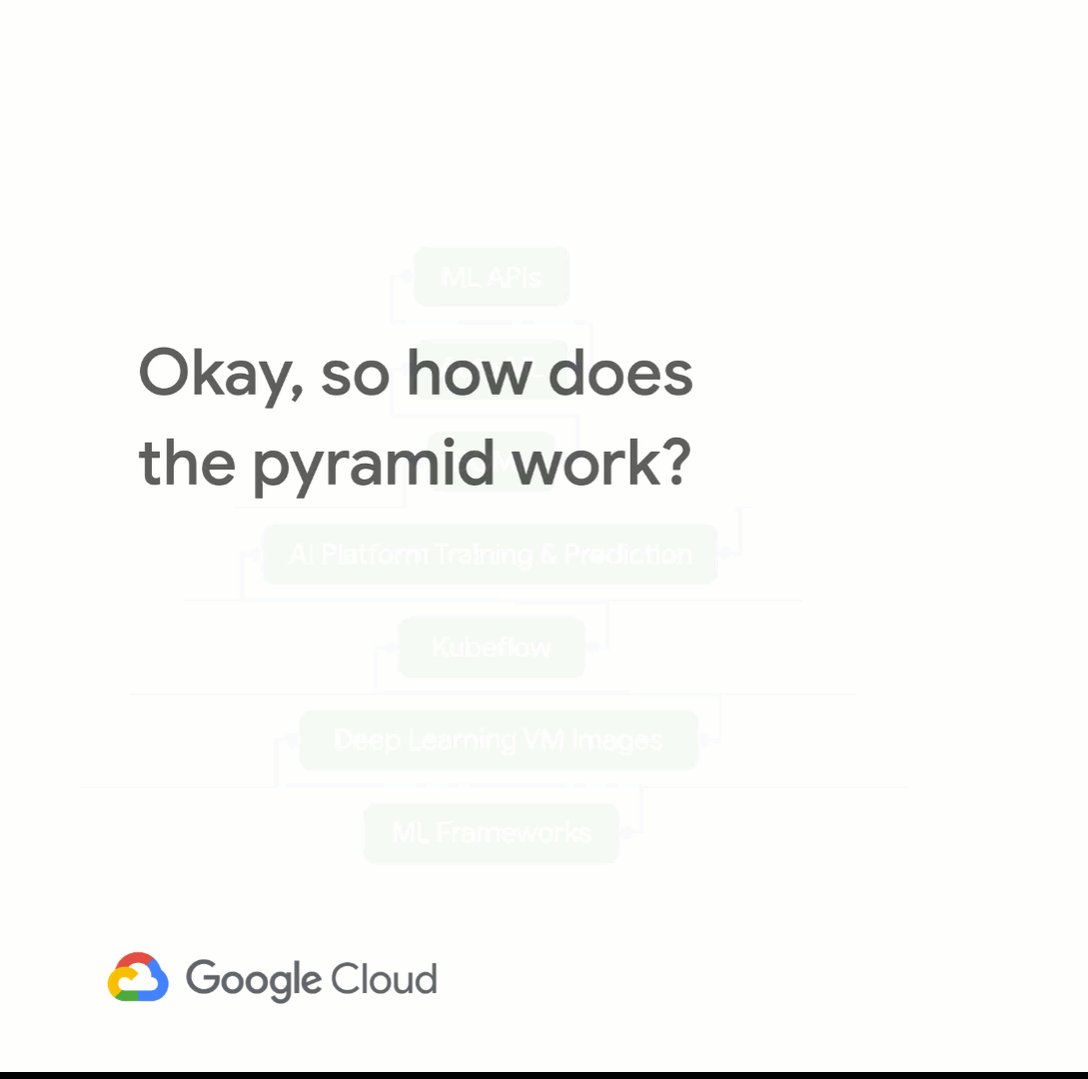
@SRobTweets created this pyramid to explain the idea.
As you move up the pyramid, less ML expertise is required, and you also don’t need to worry as much about the infrastructure behind your model.

To lear more watch this video 👉 https://t.co/EqJNDmTfhV

#31DaysofML 2/10
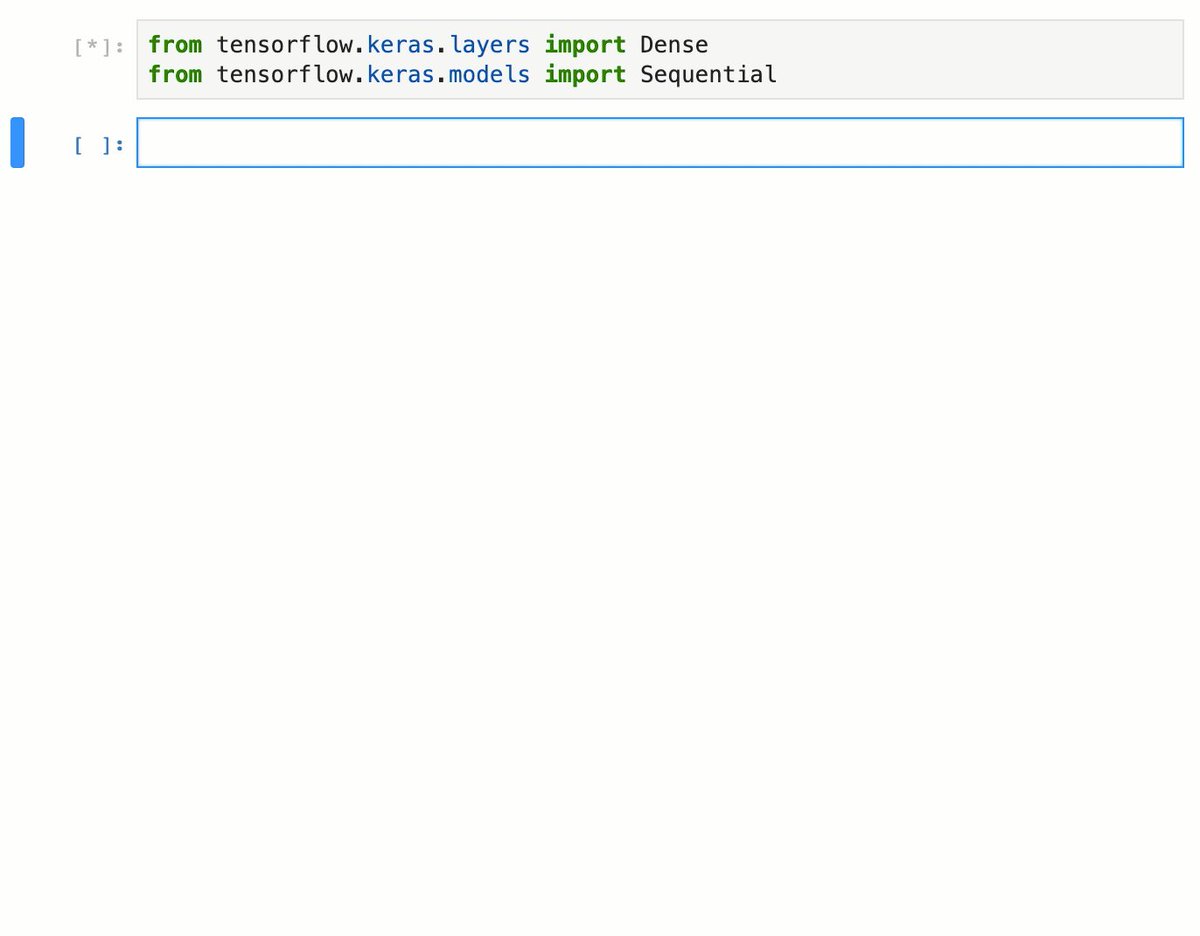
@SRobTweets If you’re using Open source ML frameworks (#TensorFlow) to build the models, you get the flexibility of moving your workloads across different development & deployment environments. But, you need to manage all the infrastructure yourself for training & serving

#31DaysofML 3/10
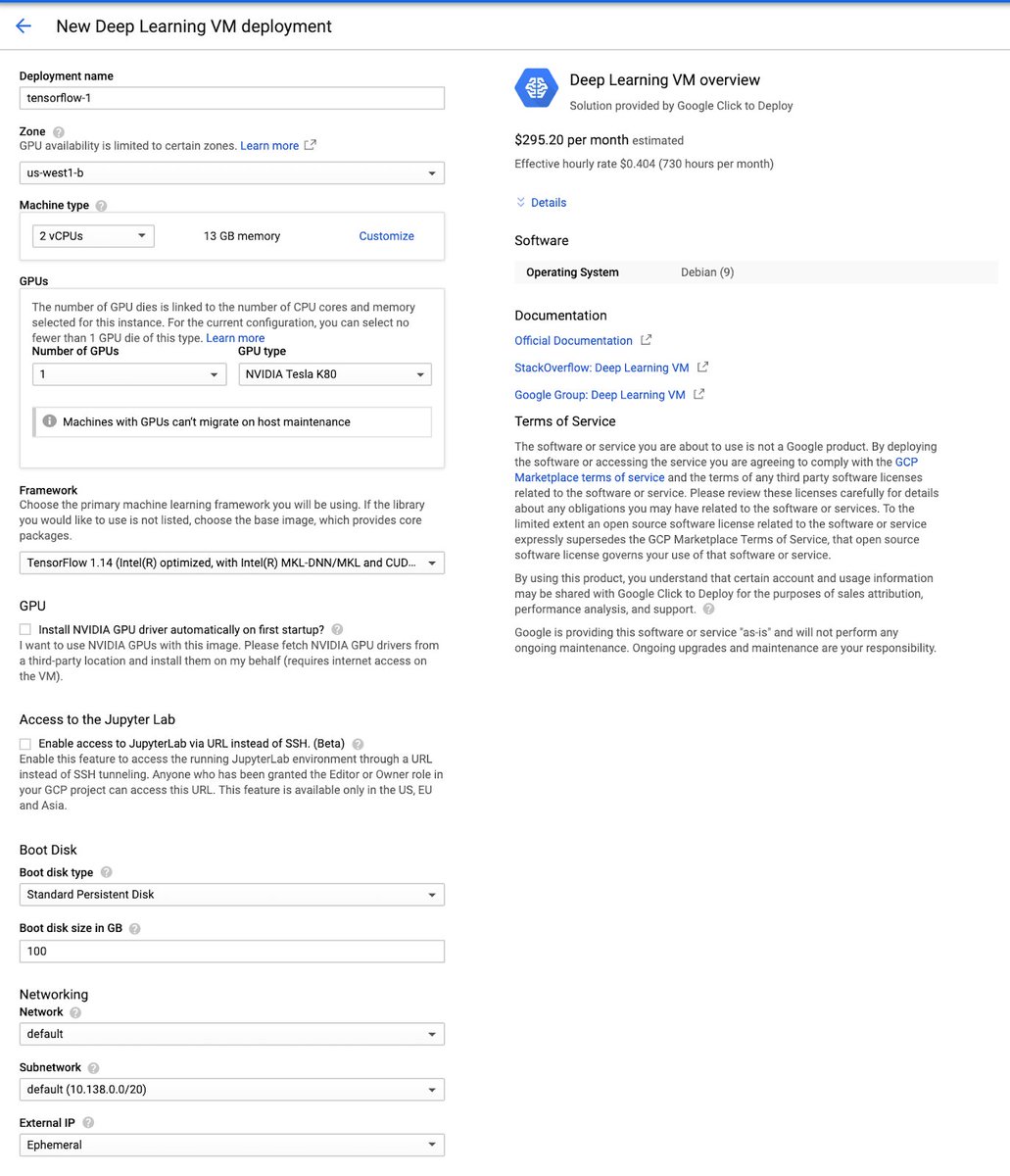
@SRobTweets Deep Learning VMs provide managed, click-to-deploy VMs for processing data & training the model
🔹 Popular ML frameworks pre-installed
🔹 Reduces the overhead of managing & allocating compute & storage required
🔹 But you figure out how you’ll serve those models

#31DaysofML 4/10
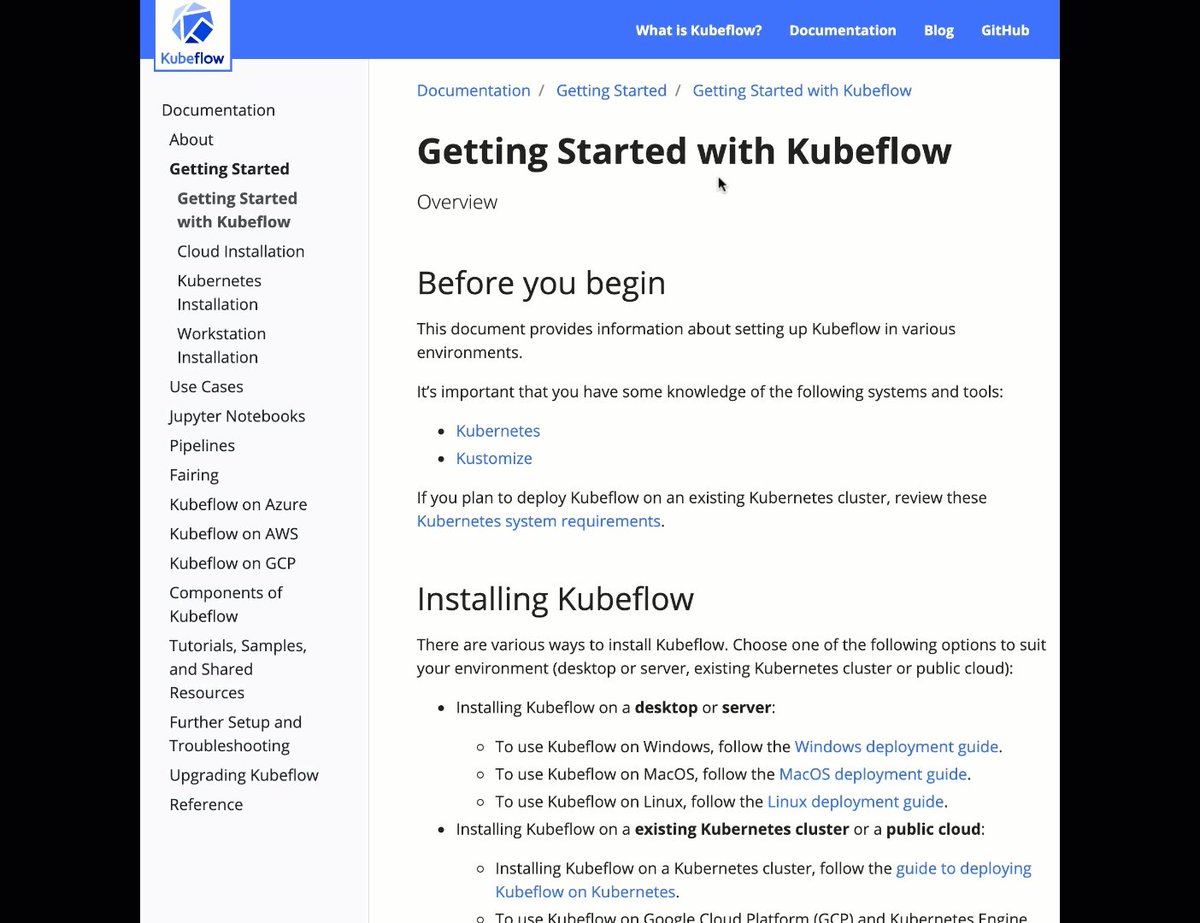
@SRobTweets Kubeflow - OS project for deploying ML workloads on #Kubernetes
🔹 Helps configure a multi-step ML pipeline including pre-processing data, training & serving the model
🔹 Run it on-premise or on any cloud
🔹 You’ll still need to configure where it’s managed

#31DaysofML 5/10
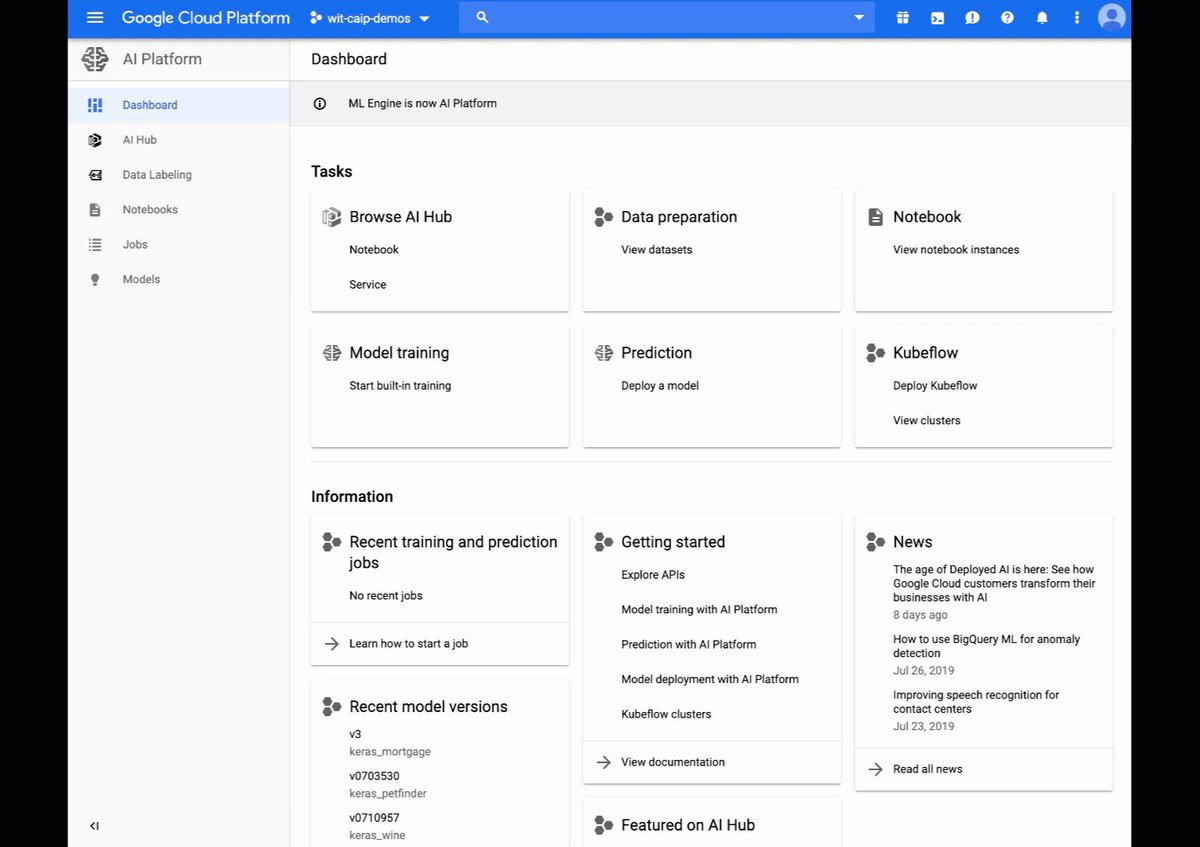
@SRobTweets AI Platform - managed service for all custom model needs
🔹 Includes tools for training & serving models, hosted notebooks, a data labeling service & more
🔹 Eg: take notebook code running on-premise with Kubeflow, and run it on GCP with AI Platform Notebooks

#31DaysofML 6/10
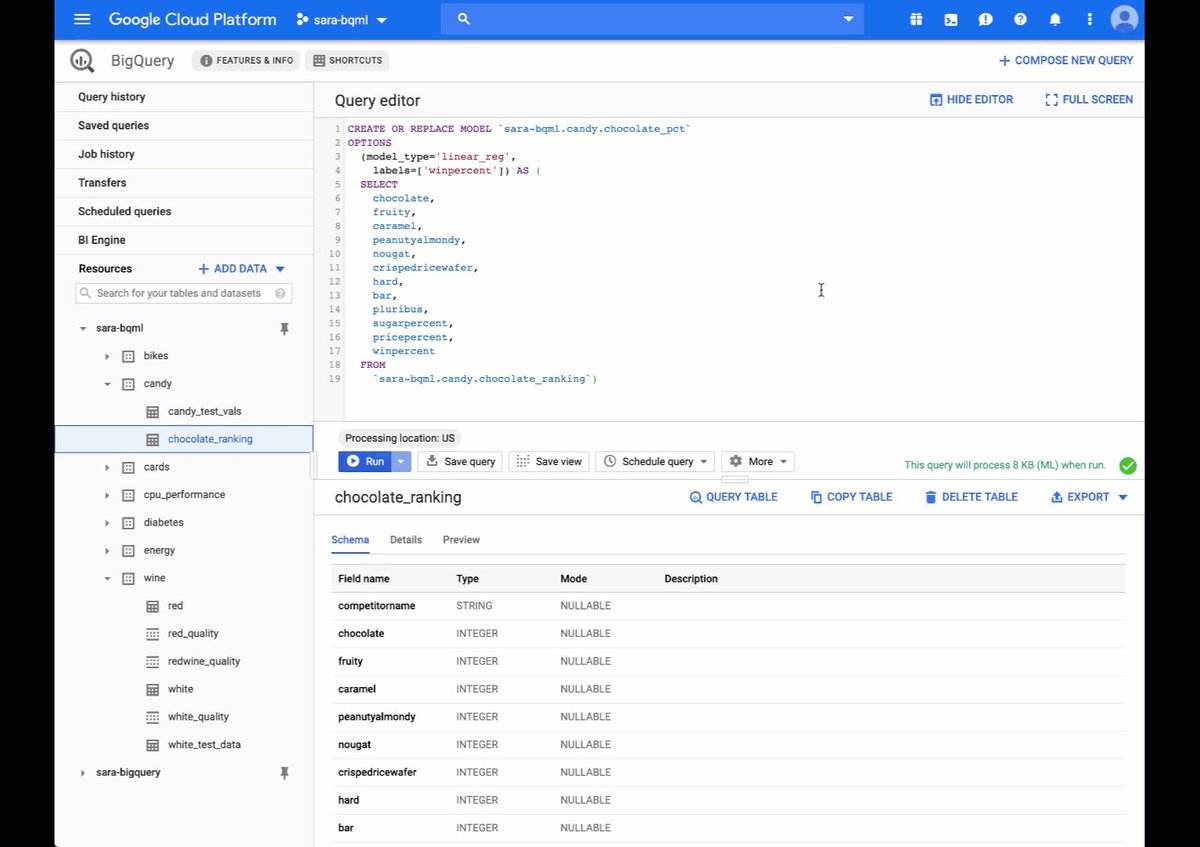
@SRobTweets BQML: Brings the power of ML closer to where the data is analyzed & make it accessible to data analysts
🔹 You don’t have to write any of the underlying model code
🔹 Choose model type
🔹 Simple SQL queries to create & train the model & make predictions

#31DaysofML 7/10
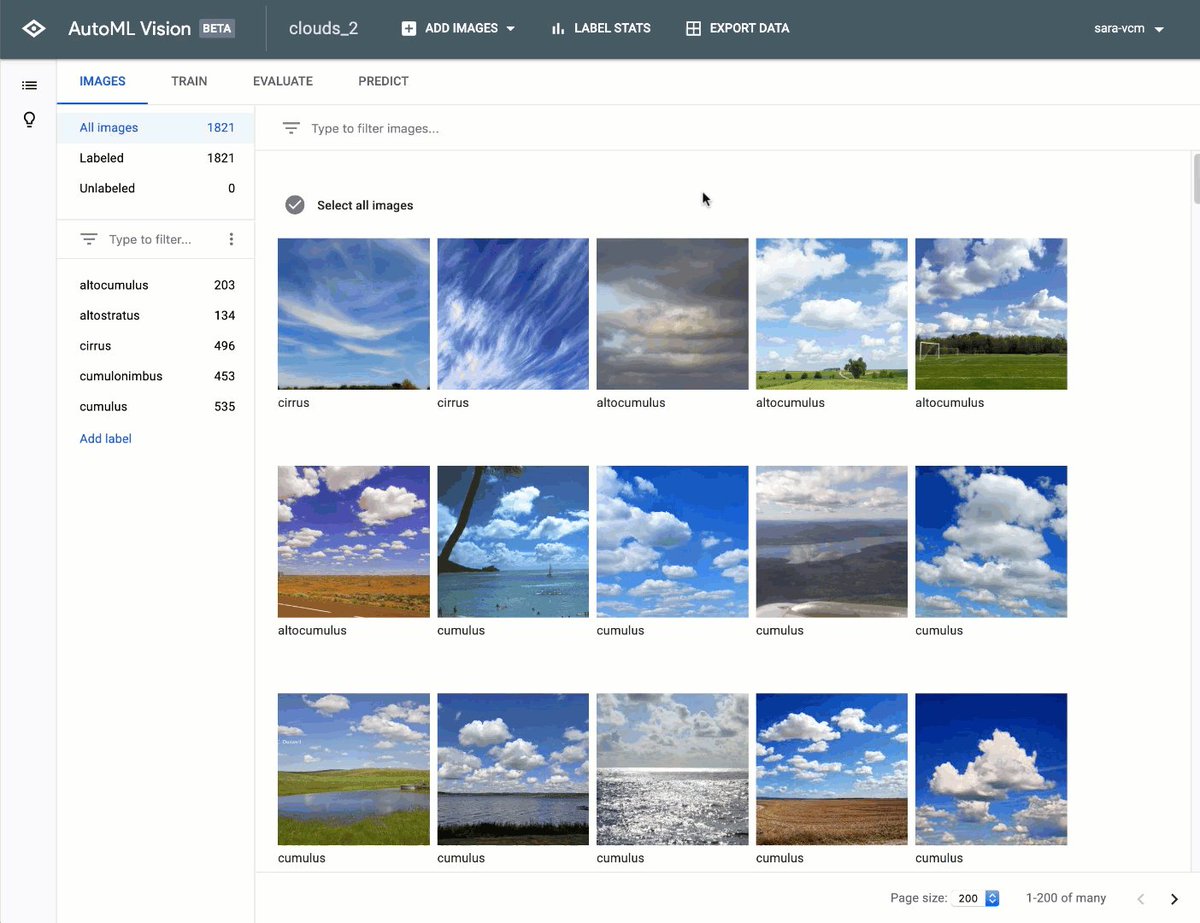
@SRobTweets AutoML democratizes ML to build custom ML models regardless of ML expertise.
🔹 Use the UI to upload the data - images, video, text, or structured
🔹 Press "train" button
🔹 Model is available for prediction via an API
🔹 No need to deploy it yourself

#31DaysofML 8/10
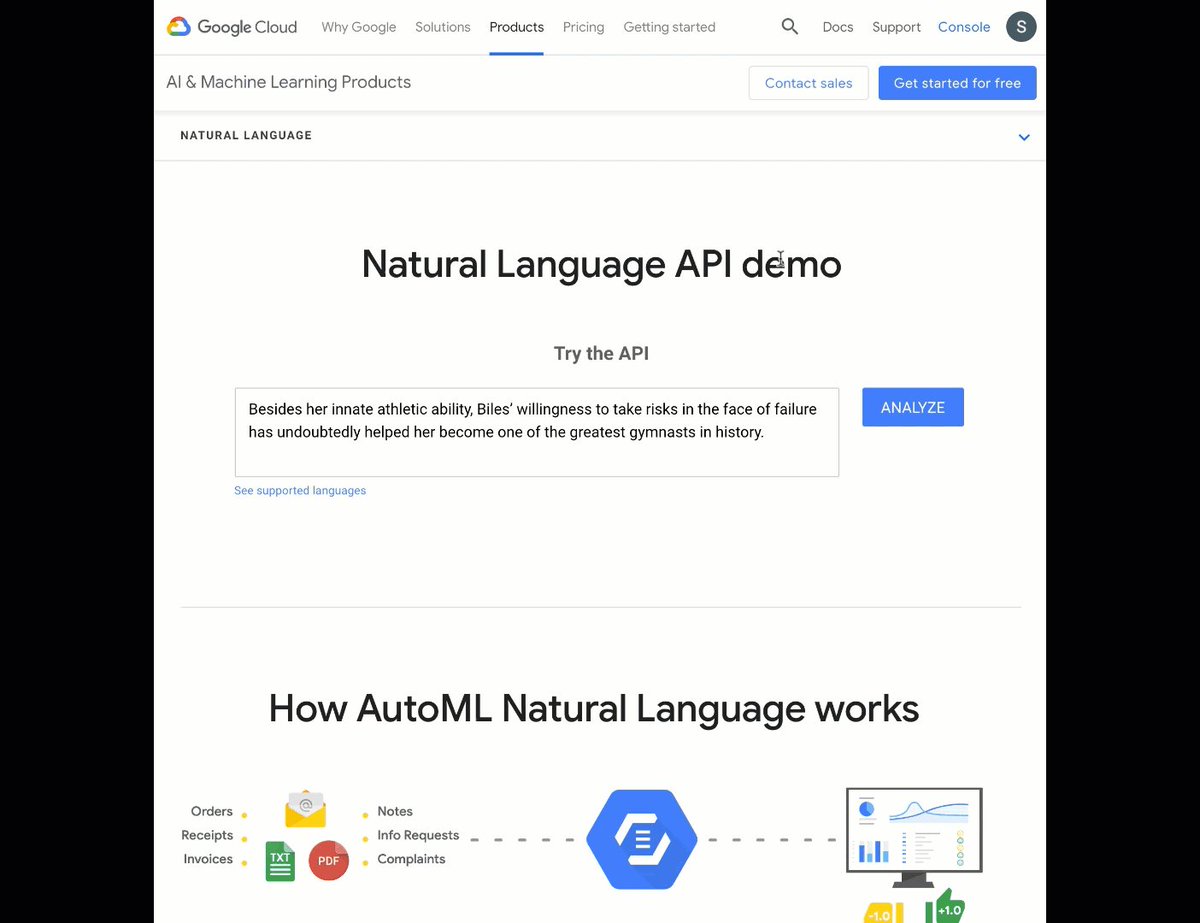
@SRobTweets ML APIs: Easiest and fastest way to get started with AI
🔹 Don’t need ML engineers or data scientists just some developers
🔹 Simple API request to pre-trained models for images, video, speech, text & translation
🔹 No need to supply any training data yourself

#31DaysofML 9/10
@SRobTweets ML APIs → https://t.co/XdR6oS5Xrc​
AutoML → https://t.co/vbmIBiciLF​
BQML → https://t.co/Hs8zz57pcn​
AI Platform → https://t.co/zyYRq4HzT5​
Kubeflow → https://t.co/DNX7MftUb3​
Deep Learning VMs → https://t.co/9MG9KntYXb​
Tensorflow → https://t.co/G2xLT68gRX​

10/10

You May Also Like

I’m torn on how to approach the idea of luck. I’m the first to admit that I am one of the luckiest people on the planet. To be born into a prosperous American family in 1960 with smart parents is to start life on third base. The odds against my very existence are astronomical.


I’ve always felt that the luckiest people I know had a talent for recognizing circumstances, not of their own making, that were conducive to a favorable outcome and their ability to quickly take advantage of them.

In other words, dumb luck was just that, it required no awareness on the person’s part, whereas “smart” luck involved awareness followed by action before the circumstances changed.

So, was I “lucky” to be born when I was—nothing I had any control over—and that I came of age just as huge databases and computers were advancing to the point where I could use those tools to write “What Works on Wall Street?” Absolutely.

Was I lucky to start my stock market investments near the peak of interest rates which allowed me to spend the majority of my adult life in a falling rate environment? Yup.
The YouTube algorithm that I helped build in 2011 still recommends the flat earth theory by the *hundreds of millions*. This investigation by @RawStory shows some of the real-life consequences of this badly designed AI.


This spring at SxSW, @SusanWojcicki promised "Wikipedia snippets" on debated videos. But they didn't put them on flat earth videos, and instead @YouTube is promoting merchandising such as "NASA lies - Never Trust a Snake". 2/


A few example of flat earth videos that were promoted by YouTube #today:
https://t.co/TumQiX2tlj 3/

https://t.co/uAORIJ5BYX 4/

https://t.co/yOGZ0pLfHG 5/