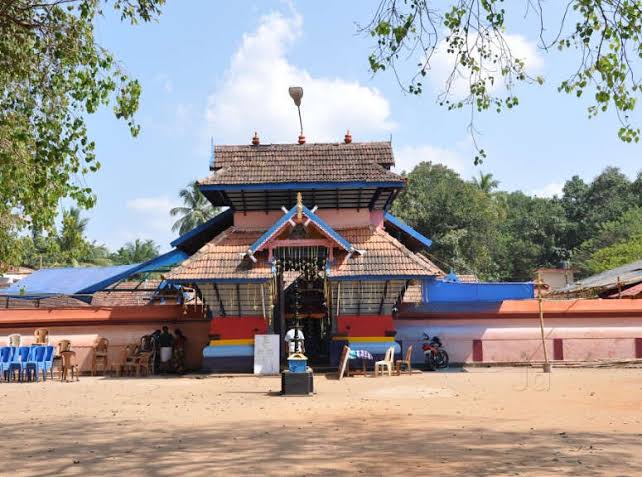
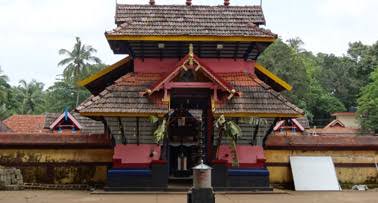
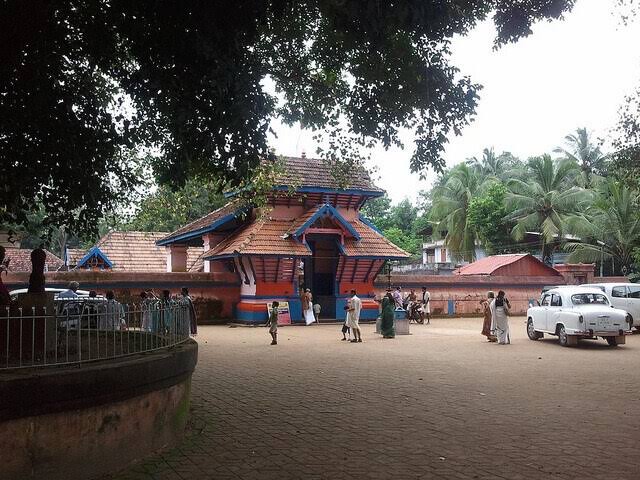
Dhanwanthari Temple, Nelluvai
Thrissur District, Kerala.🚩🚩
ॐ नमो भगवते वासुदेवाय धन्वन्तरये अमृतकलश हस्ताय
सर्वामय विनाशनाय त्रैलोक्यनाथाय श्री महाविष्णवे नमः
#temples
Dhanwanthary Moorthy temple in Nelluvai is one among the ancient temples in Kerala.
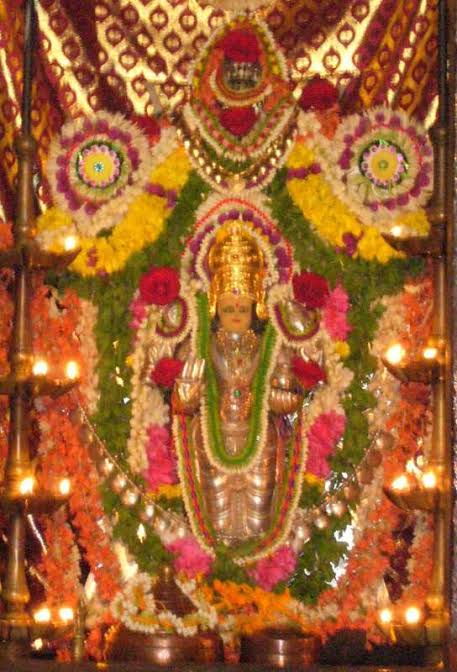
Dhanwanthari is the Deva of Ayurveda. It is said that the murthy at the temple was installed by Ashwani Devas and it was the same idol worshipped by Sri. Vasudevar in the Dwapara Yuga. The Dhanvanthari Moorthi is facing towards the west
@SriramKannan77
Smrata-Matrarti-Nasanah', Srimad Bhagavatam states that the one who remembers the name of Dhanwantari will be cured and protected from all the diseases. Temple is known for its Oushada Prasada with Ayuvedic medicinal values, called Mukkudi.
Mukkudi Nivedyam is a very special offering to Dhanwantari. It is prepared by using dry ginger, pepper, pomegranate peel, cumin seed, turmeric, rock salt and other medicinal items. It is offered during 'Usha- Pooja', and is later on distributed to the devotees present there.