“The Mugal were champions of economy and they built a India theory demystified” - A thread

Numerically challenged, statistically unhinged and data noob liberals quote data to prove that Mughals were some sort of economic geniuses who led India to its most prosperous years.

According to data compiled by economic historian Angus Maddison:

“…as recently as 1700, Qing China and Mughal India each represented a little less than 25 per cent of world GDP”,

Liberal elites in media and academia latched on to it. This soon became the dominant narrative.
25% is a huge deal but this is what we can call a classic example of half truth.

So did Maddison lie? No she didn’t.
But she did hide (or overlooked) the data prior to the period she mentions. Hers was not the most detailed study.
The reality is that under Mughals, India registered a steep decline in its GDP share of the world. India’s highest GDP share was during the Gupta ages when India strictly followed the Hindu way of life.
This chart that I have taken from Jeff Desjardins’ essay “2,000 Years of Economic History in One Chart” puts data into the correct perspective.
As is clear from the chart, Angus Maddison’s 1700 CE data while big is significantly narrower than that in 1000 CE. And that was when Mughals were at their zenith.
It again registers a sharp decline when British capture India ~ 1850 CE. The share continues to get narrower as successive congress governments continue pillaging India.
There is very famous quote about statistics. There are lies. There are damned lies. And then there are statistics. Here’s my own take on it - Statistics when used responsibly and in the right context can cut through all lies and damned lies.
So in a nutshell Mughals were what they were. A barbarous clan that practiced hardcore Islamism. They had utter disregard for Hinduism. They pillaged India to fill their own coffers and build lofty mausoleums.

Their contribution to India’s growth is nil, nada, zilch.

More from All

https://t.co/6cRR2B3jBE
Viruses and other pathogens are often studied as stand-alone entities, despite that, in nature, they mostly live in multispecies associations called biofilms—both externally and within the host.

https://t.co/FBfXhUrH5d


Microorganisms in biofilms are enclosed by an extracellular matrix that confers protection and improves survival. Previous studies have shown that viruses can secondarily colonize preexisting biofilms, and viral biofilms have also been described.


...we raise the perspective that CoVs can persistently infect bats due to their association with biofilm structures. This phenomenon potentially provides an optimal environment for nonpathogenic & well-adapted viruses to interact with the host, as well as for viral recombination.


Biofilms can also enhance virion viability in extracellular environments, such as on fomites and in aquatic sediments, allowing viral persistence and dissemination.
APIs in general are so powerful.

Best 5 public APIs you can use to build your next project:

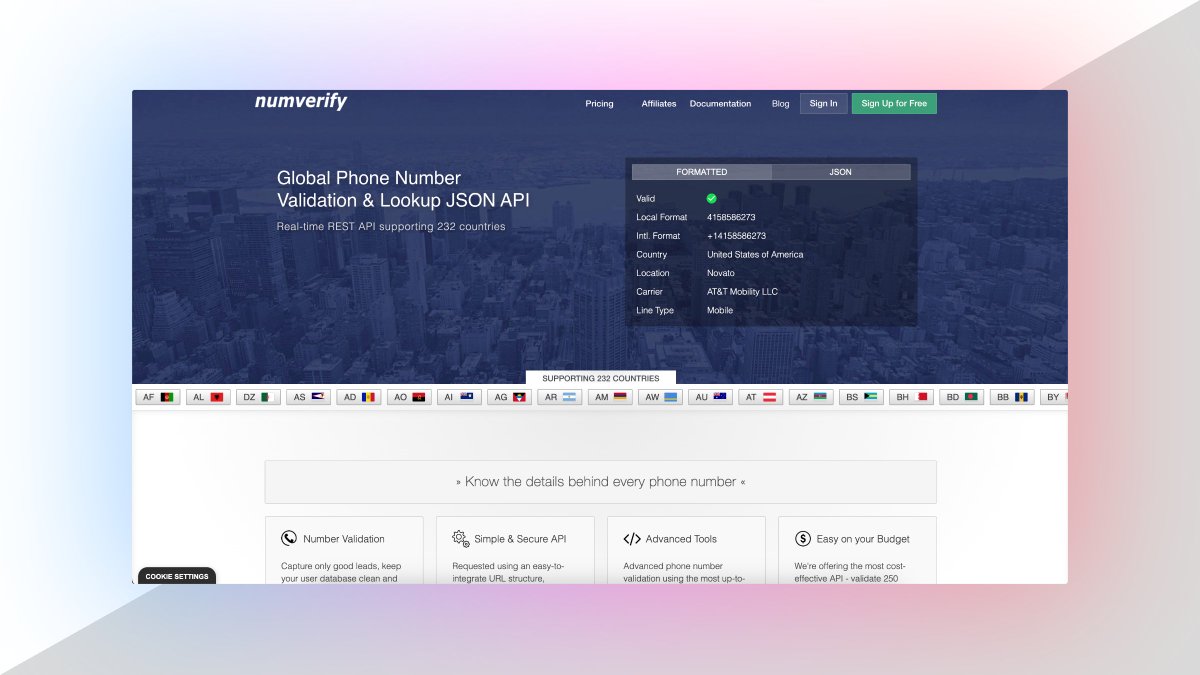
1. Number Verification API

A RESTful JSON API for national and international phone number validation.

🔗
https://t.co/fzBmCMFdIj


2. OpenAI API

ChatGPT is an outstanding tool. Build your own API applications with OpenAI API.

🔗 https://t.co/TVnTciMpML


3. Currency Data API

Currency Data API provides a simple REST API with real-time and historical exchange rates for 168 world currencies

🔗 https://t.co/TRj35IUUec


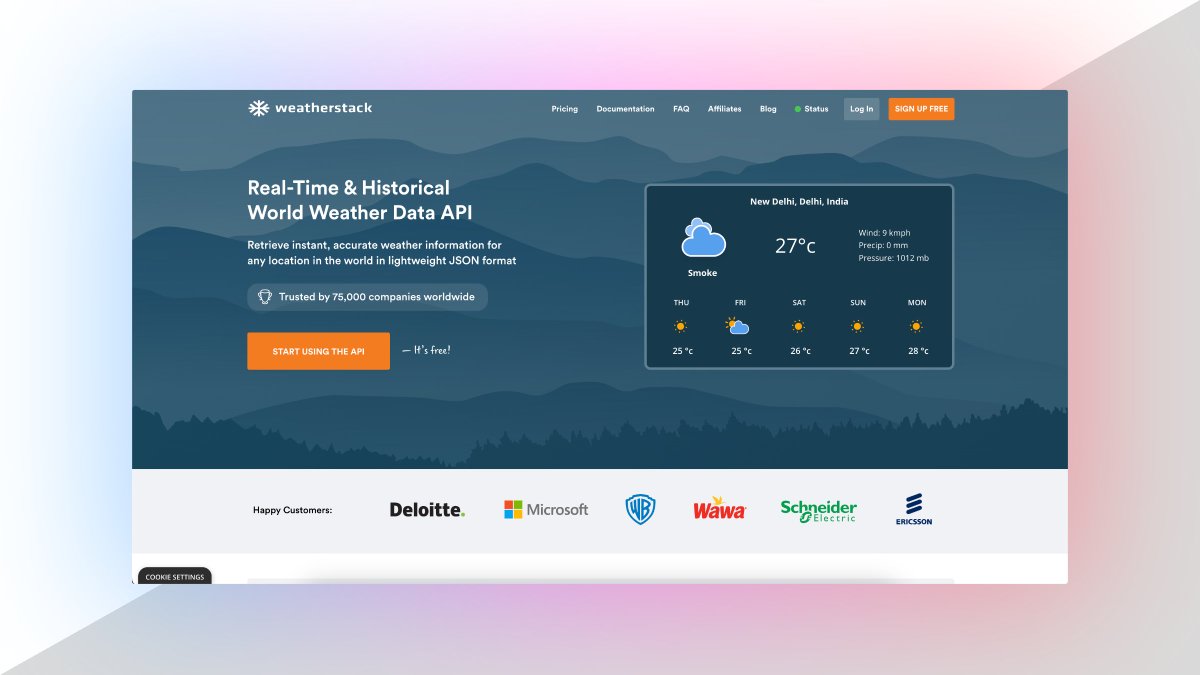
4. Weather API

Real-Time & historical world weather data API.

Retrieve instant, accurate weather information for
any location in the world in lightweight JSON format.

🔗 https://t.co/DCY8kXqVIK

You May Also Like