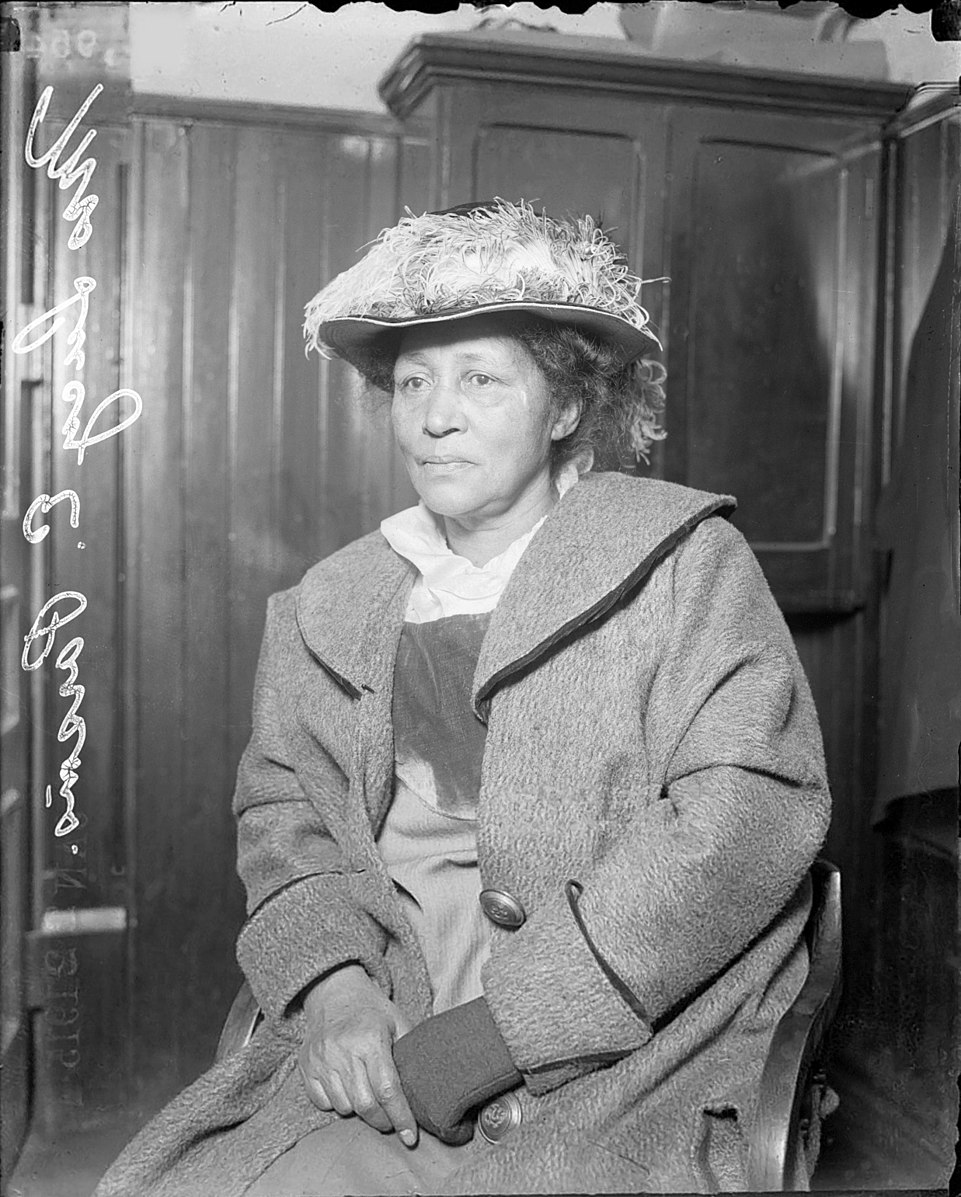
This Day in Labor History: January 17, 1915. The radical Lucy Parsons led an unemployed march of 10,000 workers in Chicago. This surprised more reformist leaders, who then worked for a sizable work program for the city's unemployed. Let's talk about it!
Chicago workers were having a hard time of it in the winter of 1915. While the 1913 recession doesn’t get the same publicity as the Great Depression or Panic of 1893, it still caused serious hardship to workers in an era when employment was often tenuous.
When periods of low employment took place, especially in the West and Midwest, where you had large amounts of seasonal and itinerant labor in farming (and logging in the Northwest), huge masses of unemployed people flooded into the cities.
The winter of 1915 was also extremely cold, exacerbating the unemployment crisis in Chicago. With all of this combined, you had thousands of homeless people, including increasing numbers of women and children. A crisis was at hand.
Lucy Parsons was a fascinating if problematic individual. She was born a slave, probably in 1853. Parsons later claimed to be entirely Mexican and Native American heritage and not African-American.