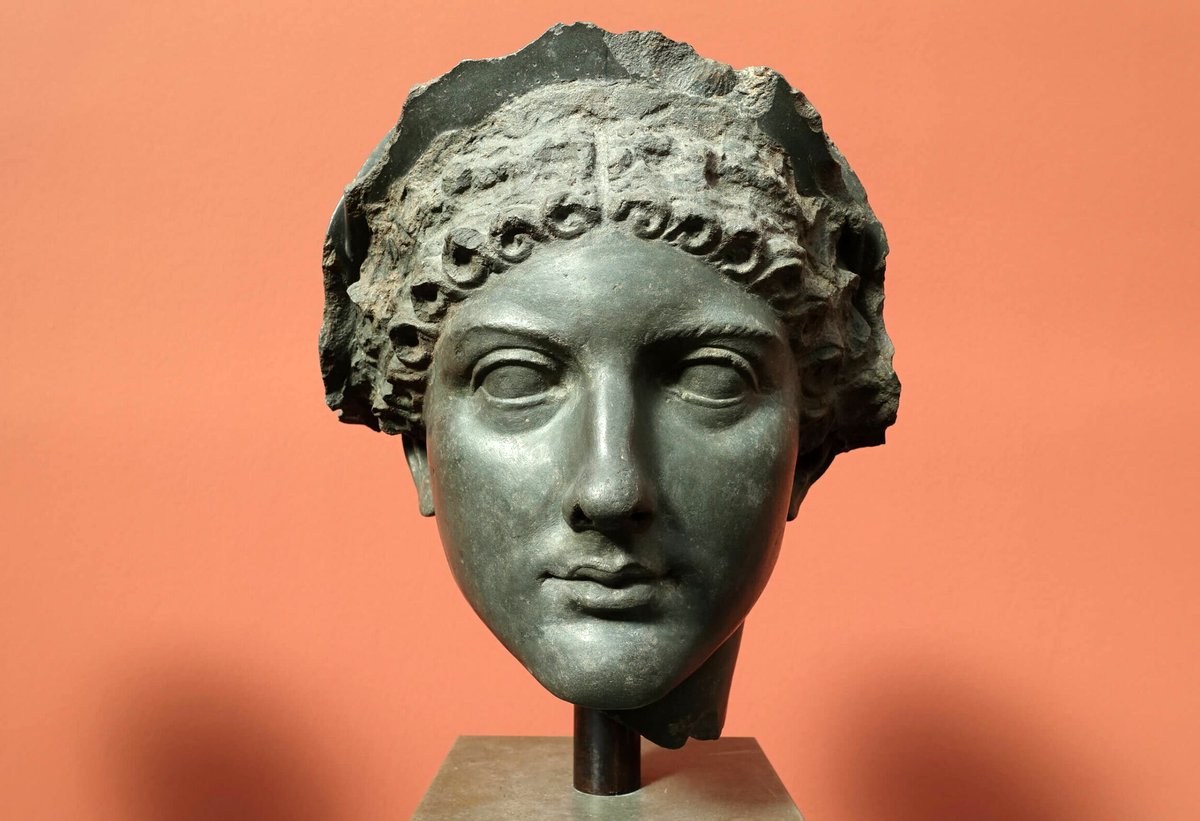
The whole "South won the Civil War" narrative puts people on fundamentally the wrong scent. It misrepresents the North's goal in the war as anti-racism when it was anti-slavery and it misrepresents who made the world we live in: it sure wasn't the South, it was Northern capital.
More from All







ChatGPT is a phenomenal AI Tool.
But don't limit yourself to just ChatGPT.
Here're 8 AI-powered tools you should try in 2023:
1. KaiberAI
@KaiberAI helps you generate beautiful videos in minutes.
Transform your ideas into the visual stories of your dreams with this Amazing Tool.
New features:
1. Upload your custom music
2. Prompt Templates
3. Camera Movements:
Check here
https://t.co/ivnDRf628L

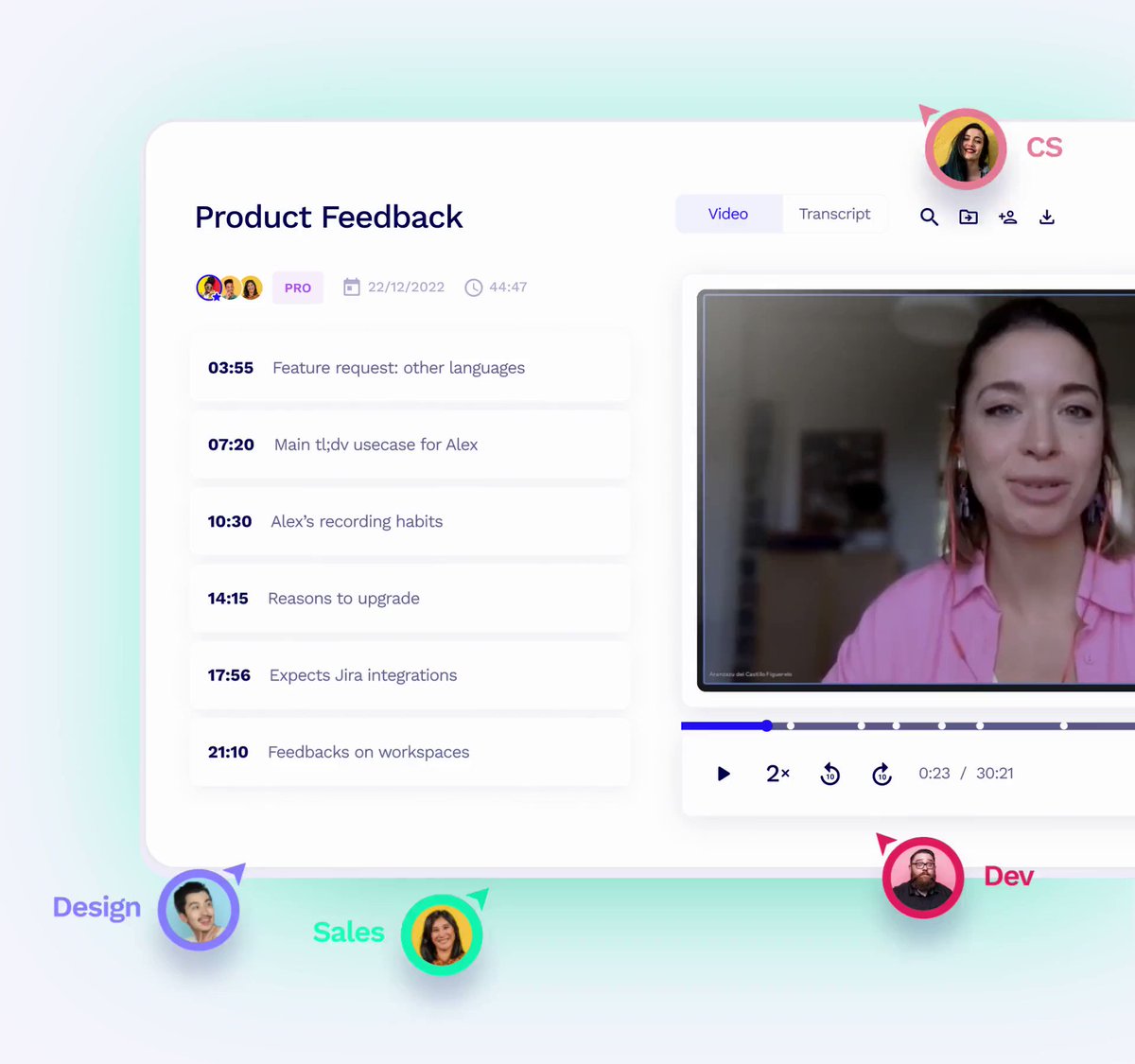
2. @tldview TLDV
Best ChatGPT Alternative for meetings.
Make your meetings 10X more productive with this amazing tool.
Try it now:
https://t.co/vOy3sS4QfJ
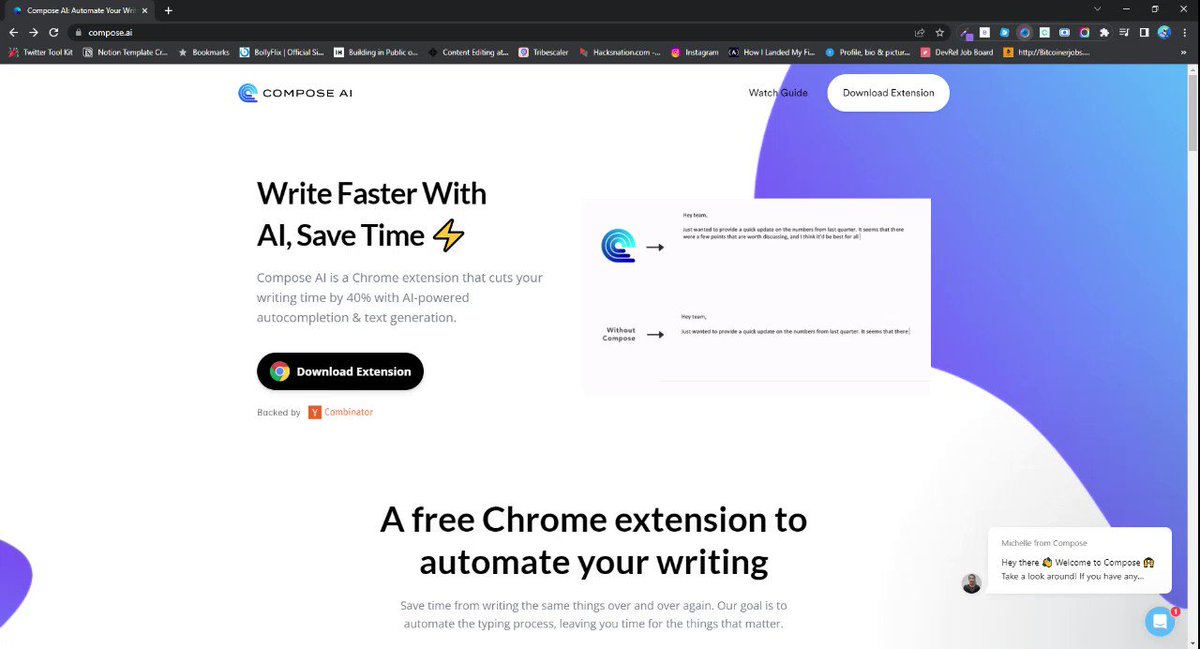
3. ComposeAI
Use ComposeAI for generating any text using AI.
It’s will help you write better content in seconds.
Try it here:
https://t.co/ksj5aop5ZI
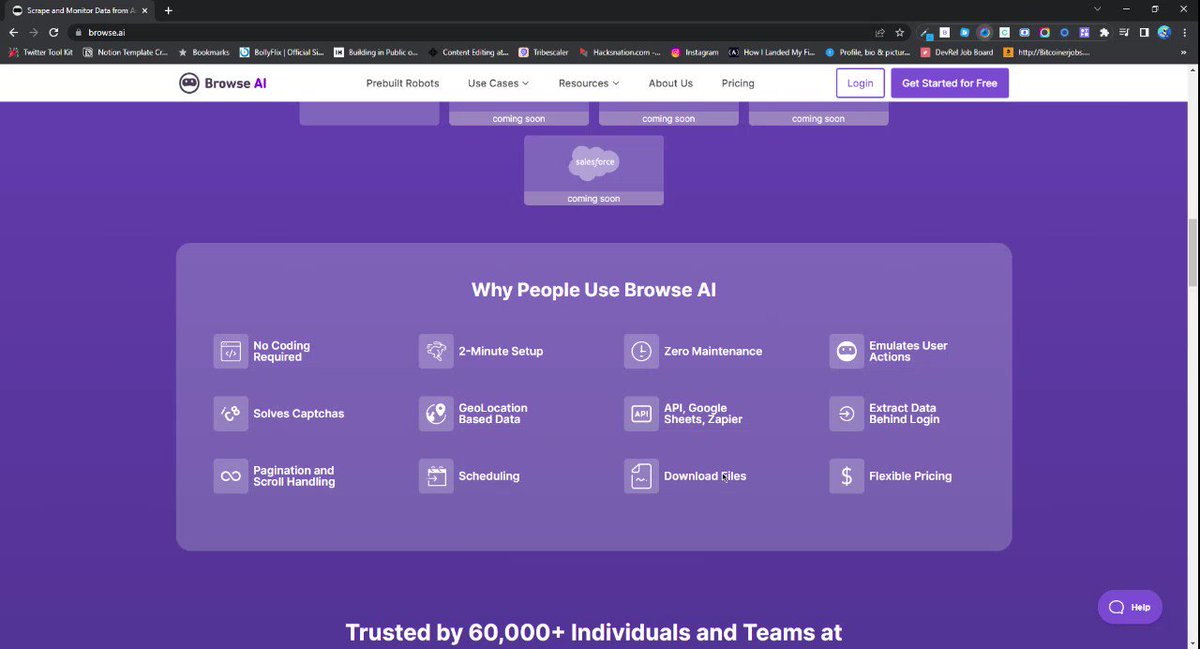
4. Browser AI
Use this AI tool to extract and monitor data from any website.
Train a robot in 2 minutes to do your work.
No coding required.
https://t.co/nNiawtUMyO
But don't limit yourself to just ChatGPT.
Here're 8 AI-powered tools you should try in 2023:
1. KaiberAI
@KaiberAI helps you generate beautiful videos in minutes.
Transform your ideas into the visual stories of your dreams with this Amazing Tool.
New features:
1. Upload your custom music
2. Prompt Templates
3. Camera Movements:
Check here
https://t.co/ivnDRf628L
2. @tldview TLDV
Best ChatGPT Alternative for meetings.
Make your meetings 10X more productive with this amazing tool.
Try it now:
https://t.co/vOy3sS4QfJ
3. ComposeAI
Use ComposeAI for generating any text using AI.
It’s will help you write better content in seconds.
Try it here:
https://t.co/ksj5aop5ZI
4. Browser AI
Use this AI tool to extract and monitor data from any website.
Train a robot in 2 minutes to do your work.
No coding required.
https://t.co/nNiawtUMyO

You May Also Like



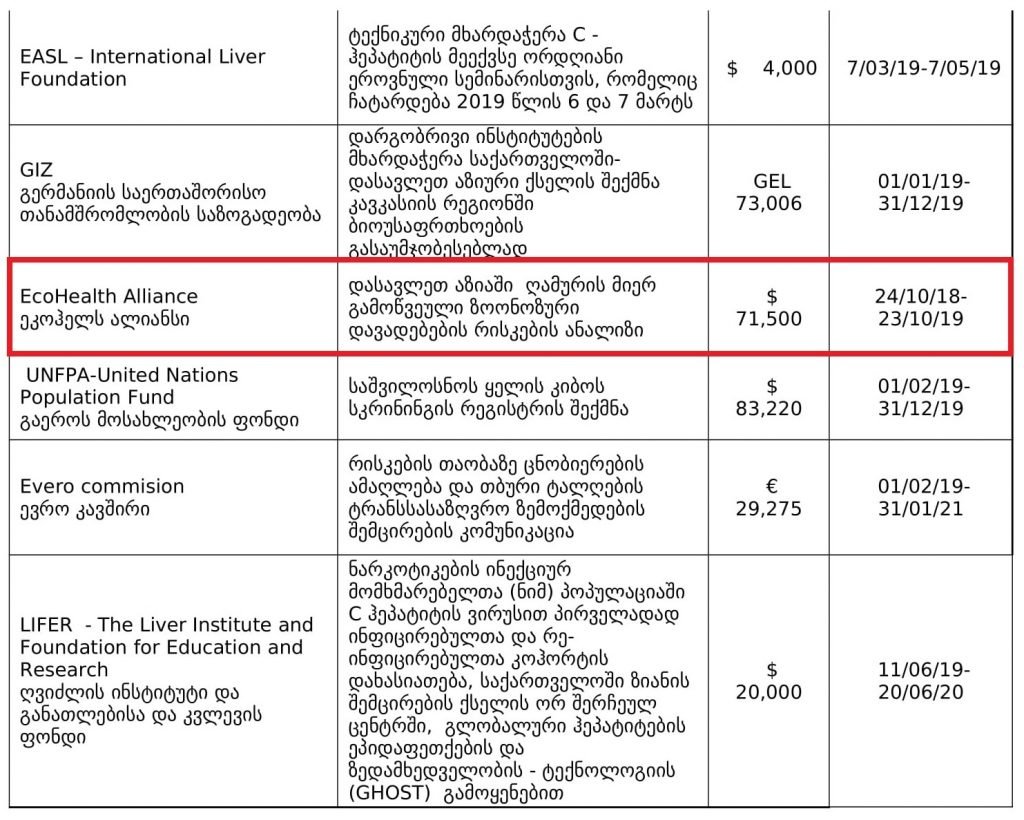
1. Project 1742 (EcoHealth/DTRA)
Risks of bat-borne zoonotic diseases in Western Asia
Duration: 24/10/2018-23 /10/2019
Funding: $71,500
@dgaytandzhieva
https://t.co/680CdD8uug
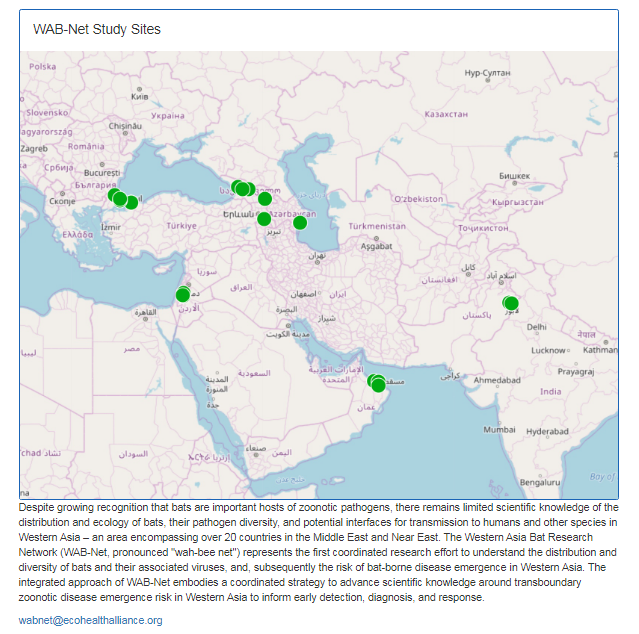
2. Bat Virus Database
Access to the database is limited only to those scientists participating in our ‘Bats and Coronaviruses’ project
Our intention is to eventually open up this database to the larger scientific community
https://t.co/mPn7b9HM48
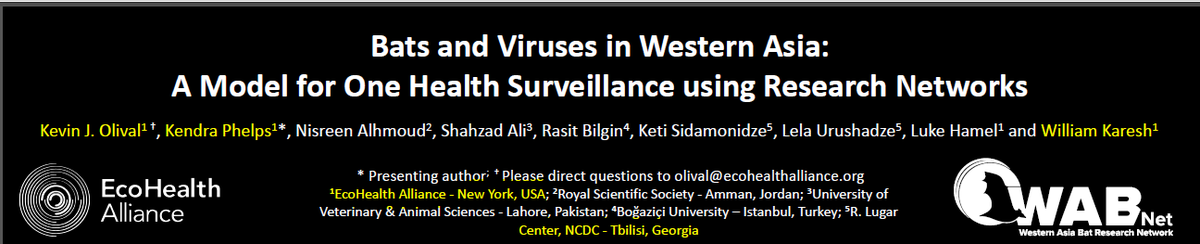
3. EcoHealth Alliance & DTRA Asking for Trouble
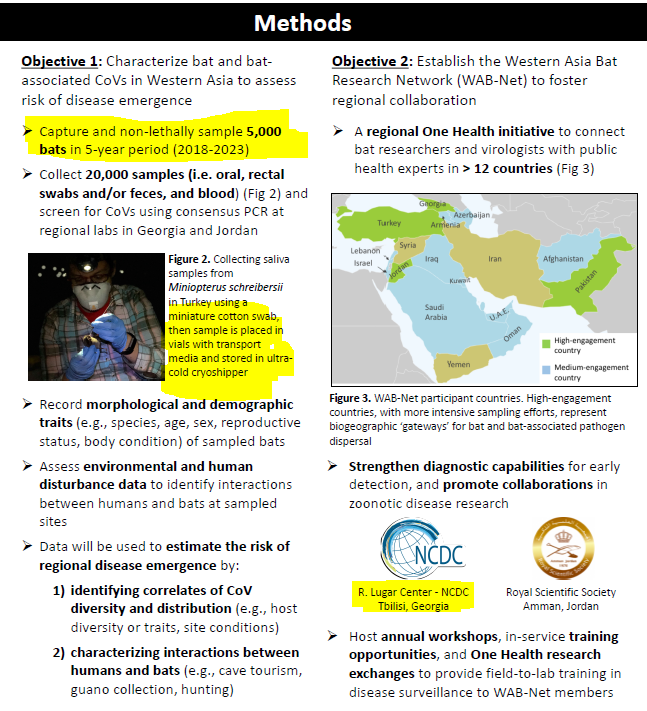
One Health research project focused on characterizing bat diversity, bat coronavirus diversity and the risk of bat-borne zoonotic disease emergence in the region.
https://t.co/u6aUeWBGEN
4. Phelps, Olival, Epstein, Karesh - EcoHealth/DTRA
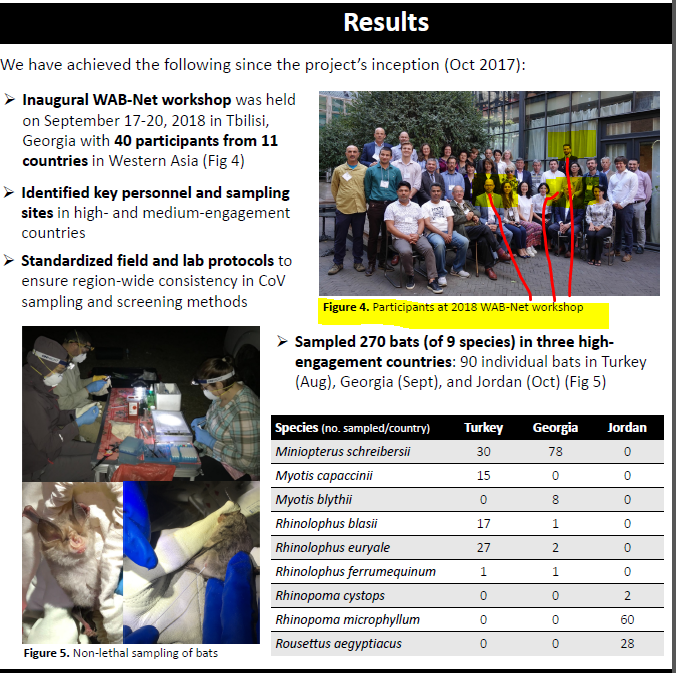
5, Methods and Expected Outcomes
(Unexpected Outcome = New Coronavirus Pandemic)
Risks of bat-borne zoonotic diseases in Western Asia
Duration: 24/10/2018-23 /10/2019
Funding: $71,500
@dgaytandzhieva
https://t.co/680CdD8uug
2. Bat Virus Database
Access to the database is limited only to those scientists participating in our ‘Bats and Coronaviruses’ project
Our intention is to eventually open up this database to the larger scientific community
https://t.co/mPn7b9HM48
3. EcoHealth Alliance & DTRA Asking for Trouble
One Health research project focused on characterizing bat diversity, bat coronavirus diversity and the risk of bat-borne zoonotic disease emergence in the region.
https://t.co/u6aUeWBGEN
4. Phelps, Olival, Epstein, Karesh - EcoHealth/DTRA
5, Methods and Expected Outcomes
(Unexpected Outcome = New Coronavirus Pandemic)