RajThamotheram's Categories
RajThamotheram's Authors


Latest Saves
Concerns about outdoor transmission risk seem to be trending again. What is the risk of transmission outdoors and should we be more worried about outdoors with the new more-transmissible variant? 🧵(1/n)
The risk of transmission is complex and multi-dimensional. It depends on many factors: contact pattern (duration, proximity, activity), individual factors, environment (e.g. outdoor, indoor), socioeconomic factors, and mitigation measures in place. (2/n)(https://t.co/sn3rLXoFHQ\)
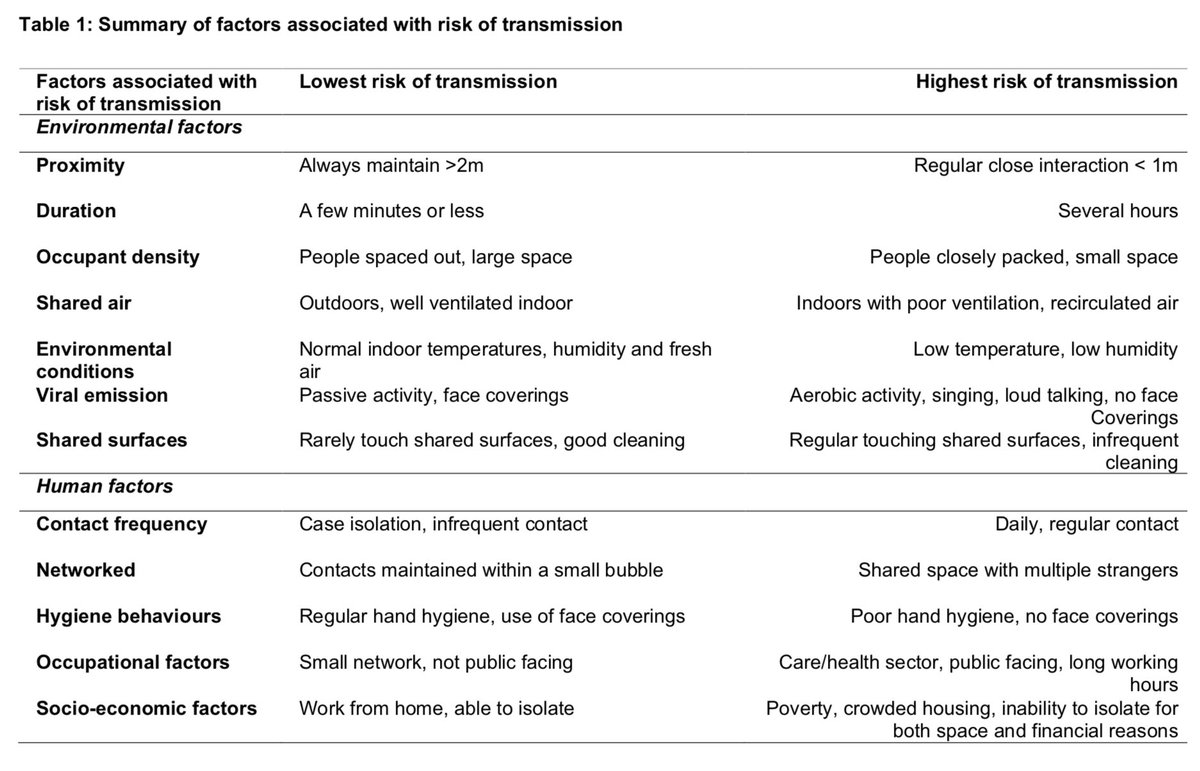
Transmission is facilitated by close proximity, prolonged contact, and frequency of contacts. So, the longer the time you spend with an infected person and the larger the gathering, the higher the risk is. (3/n) (https://t.co/h6KQ0pS9aM\)

But what is the likelihood of catching the virus outdoors? Contact tracing studies suggest that transmission risk is 20 times higher in indoor settings compared with outdoor environments. The risk is not zero but significantly lower. (4/n)
(https://t.co/h6KQ0pAxMc\)

And we know that the majority of transmission (>90%) occurs indoors. Sharing the same sleeping space, frequent daily contact, engaging in group activities such as dining are high risk. So, the risk increases with longer & frequent exposure, close proximity, # of contacts. (5/n)
The risk of transmission is complex and multi-dimensional. It depends on many factors: contact pattern (duration, proximity, activity), individual factors, environment (e.g. outdoor, indoor), socioeconomic factors, and mitigation measures in place. (2/n)(https://t.co/sn3rLXoFHQ\)
Transmission is facilitated by close proximity, prolonged contact, and frequency of contacts. So, the longer the time you spend with an infected person and the larger the gathering, the higher the risk is. (3/n) (https://t.co/h6KQ0pS9aM\)
But what is the likelihood of catching the virus outdoors? Contact tracing studies suggest that transmission risk is 20 times higher in indoor settings compared with outdoor environments. The risk is not zero but significantly lower. (4/n)
(https://t.co/h6KQ0pAxMc\)
And we know that the majority of transmission (>90%) occurs indoors. Sharing the same sleeping space, frequent daily contact, engaging in group activities such as dining are high risk. So, the risk increases with longer & frequent exposure, close proximity, # of contacts. (5/n)